
Plants
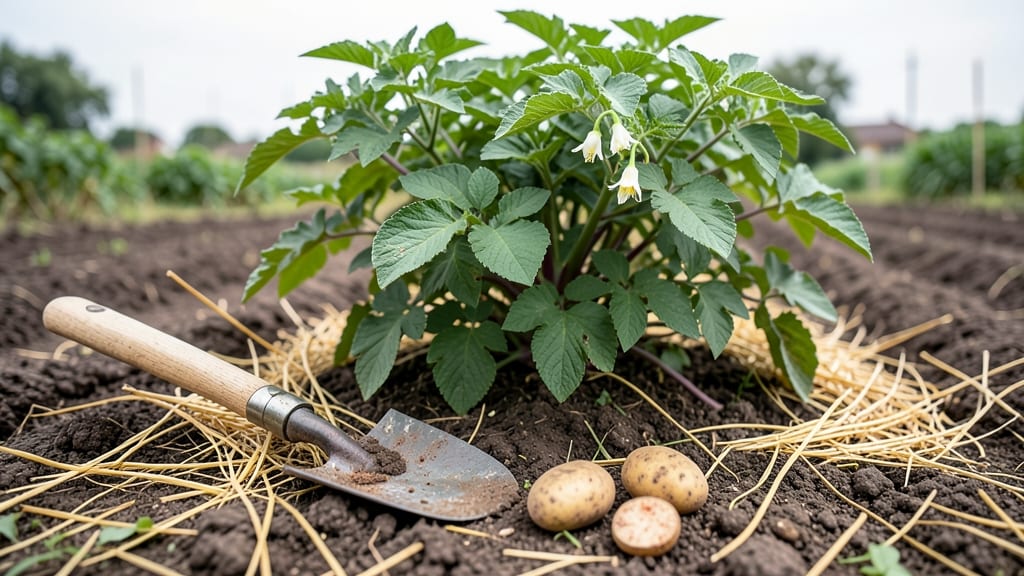
Planting potatoes in Zone 6 at the wrong time can turn your garden dreams into a frost-killed nightmare—especially when late spring surprises strike. The key to a bountiful harvest lies in those 2-4 weeks before last frost, a window that feels narrow but packs everything you need to know.
Here’s the truth: Zone 6’s unpredictable weather (think sudden freezes or slow soil warming) means timing isn’t just about dates—it’s about soil temperature, variety selection, and even how deep you bury those 🥔 seed potatoes.
Miss the mark, and you’ll either wait too long for warm soil or risk tender sprouts turning to mush overnight.
I’ll walk you through the exact steps to calculate your local last frost date, choose cold-hardy varieties like Yukon Gold, and prepare soil that’s ready to welcome potatoes the moment conditions align. No more guessing—just a foolproof plan tailored for Zone 6a-6b gardeners.
Ready to grow potatoes that outperform your neighbors’? Let’s dig into the perfect planting schedule and avoid the three biggest mistakes Zone 6 growers make every year.
Zone 6 potato planting schedule: exact weeks before last frost for peak growth
In Zone 6, potatoes thrive when planted 2-4 weeks before your last expected frost date, but the exact timing depends on your specific subzone (6a vs. 6b) and local microclimates.
For most of Zone 6, this means planting between late March and mid-April, with early varieties like Yukon Gold or Red Pontiac ready to go as early as mid-March if soil temperatures hit 45°F (7°C).
Late varieties like Russet Burbank can wait until early May for a summer harvest.
Your last frost date is the critical benchmark—most Zone 6 gardeners experience it around April 15, but this shifts 2-3 weeks earlier in 6a (northern Zone 6) and 2 weeks later in 6b (southern Zone 6).
Use the USDA Plant Hardiness Zone Map or local weather data to pinpoint your exact date. For example, in Chicago (Zone 6a), aim for March 20-April 5, while in Raleigh (Zone 6b), April 1-15 works best.
Soil temperature matters more than air temperature. Potatoes won’t sprout until the soil reaches 45°F (7°C)—use a soil thermometer to confirm readiness. If your soil is colder, wait even if your calendar says it’s time.
Cold soil can delay germination by weeks, leaving your crop vulnerable to late frosts. Pro tip: Black plastic mulch can warm soil by 5-10°F faster than bare earth.
For a second harvest, you can plant a late crop 2-3 weeks after your last frost date (around May 15-June 1). Choose longer-maturing varieties like Kennebec or Adirondack Red, which take 100-120 days to harvest.
This strategy extends your growing season but requires consistent watering to prevent stress during hot summer months.
Don’t rely solely on the calendar—monitor your local forecast for late frosts. Even in Zone 6, April frosts can still occur, especially in 6a. If a frost is predicted within 24 hours of planting, delay by 1-2 weeks or use frost blankets to protect young sprouts.
Early varieties like Katahdin or Minnesota Gem are more tolerant of cold snaps, making them ideal for risky early plantings.
Another key factor is daylength. Potatoes grow best with 14+ hours of daylight, which typically arrives in late May in Zone 6. Planting too early (e.g., February) can lead to stunted growth because the plants won’t get enough light to photosynthesize efficiently.
Balance your planting date with soil warmth, frost risk, and daylength for the best results.
For container growing, adjust your timeline by 1-2 weeks earlier than in-ground planting.
Pots warm up faster in spring, and containers in south-facing locations can be planted as early as mid-March in Zone 6b. Just ensure your containers are at least 12 inches deep and have drainage holes to prevent rot. Use lightweight potting mix amended with compost for optimal drainage and fertility.
Finally, consider succession planting if you want a continuous harvest. After your first crop is harvested (around **July
How to adjust potato planting for Zone 6’s unpredictable spring weather patterns
Zone 6’s spring weather is famously fickle—one day warm enough to plant, the next a surprise frost that turns your sprouts to ice. The key to success? Flexibility and a few smart strategies to protect your 🥔 potatoes from Mother Nature’s mood swings.
I’ve planted potatoes here for years, and I’ve learned that the right variety and a little extra prep can turn a risky gamble into a guaranteed harvest.
First, recognize that soil temperature matters more than air temperature. Potatoes need the ground to reach at least 45°F (7°C) to sprout consistently. If your soil is still cold, even after the last frost, your seed potatoes will sit there waiting—wasting precious growing days.
Use a soil thermometer (they’re cheap!) to check before planting. If the ground is still chilly, it’s time to warm it up.
Here’s my go-to trick: Black plastic mulch or a compost pile placed near your planting area can raise soil temps by 5-10°F in just a few days. Lay down the plastic a week before planting, or mound compost in rows.
This gives your potatoes a head start and extends the planting window by 1-2 weeks—critical when Zone 6’s last frost can swing from late March to early May.
But what if the ground is ready, and the forecast calls for a late frost? That’s where row covers become your best friend. Lightweight fabric covers (like frost blankets) can protect young plants from temps down to 20°F (-7°C).
I’ve used them to save entire rows after a 28°F (-2°C) dip in early May—just drape them over hoops or stakes and secure the edges. Remove them during the day to let sunlight through, but leave them on at night until the danger passes.
Choosing the right potato variety also makes a difference. Some varieties, like Yukon Gold or Kennebec, are more cold-tolerant and can handle cooler soils better than delicate types like Red Pontiac. For early planting, I always reach for early-maturing varieties (70-90 days) to reduce frost risk.
If you’re planting in northern Zone 6a, stick to these cold-hardy picks; in southern Zone 6b, you’ve got more flexibility to experiment.
Finally, don’t forget the 3-step risk assessment I use every year:
- Check soil temp—if it’s below 45°F, wait or warm it.
- Monitor forecasts—if frost is predicted within 2 weeks, delay planting or use row covers.
- Variety match—early varieties for cold soils, late varieties for warm spells. With these steps, you’ll outsmart Zone 6’s weather instead of letting it ruin your harvest. 🌱