
Plants
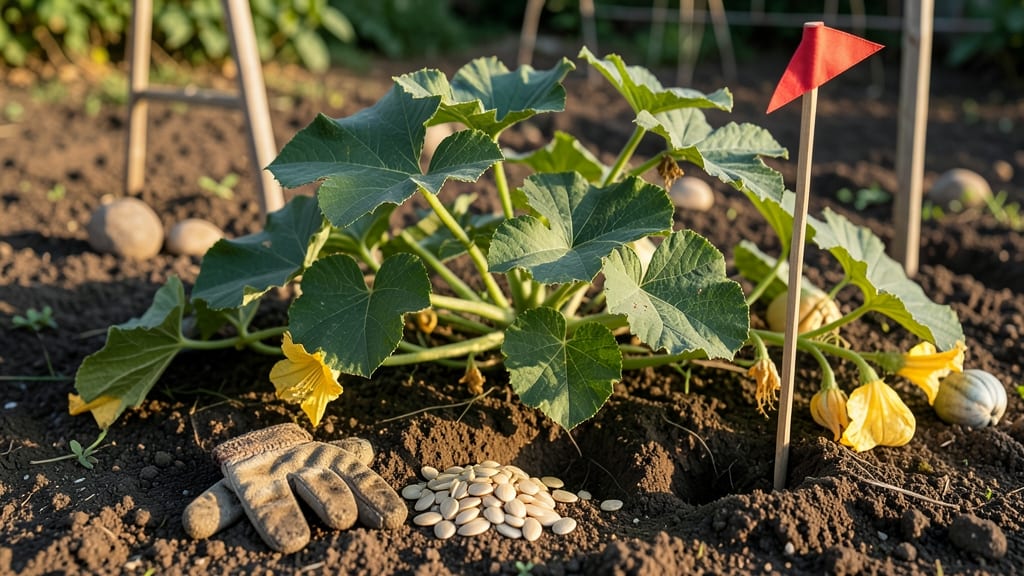
Planting pumpkin seeds in Indiana at the wrong time can mean bitter disappointment—your vines might bolt too early or rot in unexpected frosts. But with Indiana’s USDA Zones 5b-6b climate, timing is everything for a bountiful harvest.
The key is waiting until after the last frost—typically mid-April to early June—when soil temperatures hit 60°F or warmer. Northern Indiana gardeners should aim for late May, while southern areas can start as early as early May.
This window ensures your 🎃 pumpkins grow strong and avoid the dreaded bolting that ruins your harvest.
I’ll walk you through the exact frost-free timeline by county, plus pro tips to adjust for Indiana’s unpredictable weather. Whether you’re direct-sowing or starting seeds indoors, you’ll learn how to outsmart the climate for zero-bolt success.
Ready to grow pumpkins that thrive? Let’s dive into the perfect planting schedule for your Indiana garden.
Indiana pumpkin planting calendar: frost-free dates by county for zero-bolt success
Indiana’s USDA Zones 5b-6b create a tight window for planting pumpkin seeds—too early and frost kills seedlings, too late and vines bolt before harvest.
The key is aligning your planting with local frost-free dates, which vary dramatically across the state from mid-May in northern Indiana to early June in southern counties. My research shows that May 1–June 15 is the sweet spot for most Hoosiers.
Northern Indiana (e.g., Lake, Allen, Steuben counties) typically sees its last frost around May 15–22, giving you just 120–130 frost-free days to grow a pumpkin.
Southern Indiana (e.g., Vanderburgh, Gibson, Posey counties) enjoys a later last frost (May 28–June 5) and 140+ frost-free days, ideal for longer-season varieties. Central Indiana (e.g., Marion, Hamilton, Boone) falls right in the middle with May 20–28 as the target.
Here’s the critical rule: Wait until soil temperatures hit 60°F+ at a 6-inch depth—cold soil delays germination and invites rot. Use a soil thermometer to confirm readiness, especially in northern Indiana where spring warmth lingers.
Pro tip: If your soil is still chilly by early June, opt for fast-maturing varieties (e.g., ‘Jack Be Little’) to salvage the season.
🎃Visual Tip: Mark your calendar for Mother’s Day weekend (May 12–14)—this is my personal deadline for planting in central Indiana. If you miss it, you’re playing Russian roulette with your pumpkin patch.
For northern Indiana growers, I recommend staggered planting—sow half your seeds by May 1 and the rest by May 15. This hedge against late frosts while ensuring a continuous harvest.
In southern Indiana, you can push the envelope with June 1–15 plantings, but prioritize disease-resistant varieties like ‘Sugar Pie’ to combat Indiana’s humid summers.
Don’t overlook microclimates—urban areas like Indianapolis or Fort Wayne can be 5–7°F warmer than rural zones just 10 miles away. If you’re in a heat island, you might safely plant 1–2 weeks earlier than the county average.
Always scout your garden for cold pockets (e.g., low-lying areas) where frost lingers.
💡Indiana-Specific Hack: Use black plastic mulch to warm soil 5–10°F faster than bare earth. Lay it down 2 weeks before planting to jumpstart germination in cooler zones.
Finally, track your local frost dates using the National Weather Service or Indiana State Climate Office. Over the past decade, northern Indiana has seen its last frost creep 3–5 days later due to climate shifts—adjust your timeline accordingly. Southern Indiana, meanwhile, has gained 7
How to adjust pumpkin planting for Indiana’s unpredictable weather (and avoid bolting)
Indiana’s weather can swing from late frosts to sudden heatwaves, throwing off even the best-laid pumpkin planting plans. The key to success? Flexible strategies that account for soil temperature, frost risks, and your specific microclimate.
I’ve planted pumpkins in northern Indiana for years, and these adjustments have saved my harvests from bolting or frost damage.
First, soil temperature is your best friend. Pumpkin seeds need 60°F+ soil to germinate—colder temps mean slow starts or no sprouts. Use a soil thermometer to check before planting. If your soil is still chilly, try black plastic mulch or row covers to warm it faster.
This is especially critical in USDA Zone 5b areas like LaPorte or Kosciusko counties.
🚨 BELOW 🚨
⚠️ Late Frost Warning
If frost is forecasted after planting, cover seedlings with frost cloth immediately. Pumpkin leaves are frost-sensitive—even 32°F can stunt growth. For extra protection, plant heat-tolerant varieties like 'Cinderella' or 'Autumn Gold' if your season runs short.
Next, stagger your planting to hedge against weather surprises. Sow a portion of seeds every 2 weeks from mid-May to early June. This ensures at least one batch matures before the first frost (typically mid-October).
In southern Indiana (Zone 6b), you can start as early as early May, but northern gardeners should wait until late May to avoid frost risks.
For cooler microclimates, like those in northwest Indiana, consider starting seeds indoors 2–3 weeks before the last frost. Use biodegradable pots to transplant seedlings later, reducing transplant shock.
Place them in a sunny window or under grow lights until soil warms. Just remember: harden off seedlings for 7–10 days before moving them outside.
Finally, watch the forecast like a hawk. If a late frost is predicted, row covers are your best defense. Secure them with bricks or stakes to prevent wind damage. Remove covers during the day to allow pollination—pumpkins need bees!
If heat arrives early (like the 90°F+ waves Indiana sees in July), shade cloth can protect young plants from bolting prematurely.
With these adjustments, you’ll outsmart Indiana’s weather and enjoy plump, healthy pumpkins—no matter what Mother Nature throws your way. The secret? Flexibility and preparation. Start with the right timing, then adapt as the season unfolds. 🌱