
Plants
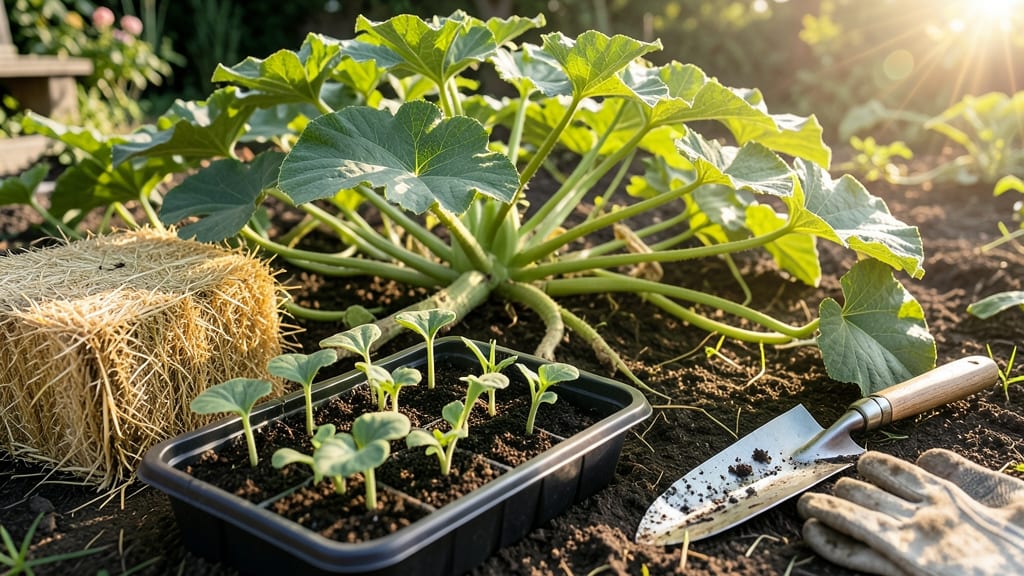
Planting your 🎃 pumpkins in Arizona at the wrong time can mean the difference between a bountiful harvest and wilted vines before they even take root. Unlike cooler climates, Arizona’s extreme heat demands precise timing—too early, and your seedlings struggle; too late, and you miss the harvest window entirely.
Most gardeners in USDA Zone 9b swear by late winter to early spring planting, when soil temperatures hit that sweet spot of 70°F. But here’s the catch: Arizona’s microclimates vary wildly, from the scorching low deserts to the cooler high deserts.
Let me show you exactly when to plant for your specific region.
You’ll discover the best months for seed-starting, transplanting tips to beat the heat, and how to adjust for high-desert vs. low-desert conditions. Whether you’re a first-time grower or a seasoned gardener, these strategies will help you avoid common mistakes and maximize your pumpkin yield.
Ready to grow pumpkins that thrive in Arizona’s climate? Let’s dive into the desert-friendly schedule that keeps your vines happy and your harvest plentiful.
Best pumpkin planting windows in Arizona by region (avoiding heat stress)
Arizona’s diverse microclimates mean your pumpkin planting schedule should match your region’s heat patterns. Unlike cooler states, Arizona’s frost-free year-round climate lets you grow pumpkins in two main windows: early spring and late summer. The key is avoiding 100°F+ temperatures during critical growth stages.
In the low deserts (Phoenix, Yuma), plant pumpkin seeds in late February to early March for a fall harvest before summer’s peak heat.
High desert areas like Flagstaff can start slightly earlier (mid-February) or even try a late summer planting (August) for a fall harvest before first frost risks.
For Phoenix and Tucson, aim for soil temperatures of 70°F+—test with a soil thermometer. Yuma’s extreme heat means spring planting is non-negotiable; summer planting risks heat stress and poor fruit set.
In Flagstaff, cooler nights allow for a second planting in August if you’re willing to gamble on fall frost.
🎃
| Region | Best Planting Window | Harvest Window | Key Consideration |
|---|---|---|---|
| Phoenix | Late February–Early March | Late September–Early October | Avoid summer heat; use shade cloth if planting early. |
| Tucson | Early March | Mid-September–October | Soil warms faster; monitor for heat stress. |
| Yuma | Late February (only spring) | Early October | Extreme heat limits options; prioritize drought-tolerant varieties. |
| Flagstaff | Mid-February OR August | October OR Late September | Cooler nights allow second planting; watch for frost. |
If you’re growing heirloom varieties like ‘Howden’ or ‘Cinderella’, stick to the spring window—they need 90+ days to mature.
For shorter-season varieties like ‘Jack Be Little’ (50–60 days), you can experiment with late summer plantings in cooler areas, but be prepared to harvest quickly before fall temperatures drop.
Pro tip: Use black plastic mulch to warm soil faster in high-desert areas. This can shave 2–3 weeks off your planting timeline by creating a microclimate that mimics the low desert’s heat. Just remove it once vines start running to prevent root overheating.
For container growing in urban areas, start seeds indoors 2–3 weeks before your region’s last frost date (though frost is rare, cool snaps can still slow growth). Move pots outside only after nighttime temps stay above 55°F—Arizona’s cool desert nights can shock young seedlings.
💧
Remember: Pumpkins hate heat stress. If you’re planting in May or June, your vines will struggle to set fruit in 100°F+ temps. Instead, opt for heat-tolerant varieties like ‘Sweet Dumpling’ or ‘Waltham Butternut’, which handle 95°F+ better than standard types.
Pair this with drip irrigation and morning watering to keep roots cool.
How to extend Arizona’s pumpkin growing season without risking heat damage
Arizona’s 110°F+ temperatures can fry pumpkin vines in weeks, but smart timing and shade strategies let you grow them safely. The key is avoiding peak summer heat while still harvesting before fall cools down. I’ve grown pumpkins in Phoenix for years, and these tricks keep my vines thriving until October.
Start by choosing heat-tolerant varieties like 'Cinderella' or 'Jack Be Little'—they handle desert conditions better than standard varieties. These compact types also spread less aggressively, making them ideal for smaller Arizona yards or container growing.
Shade cloth (30-50%) is my secret weapon. I drape it over vines during 11 AM–3 PM when temps hit 100°F+. This blocks just enough sun to prevent wilting while still allowing photosynthesis. Secure it with UV-resistant clips to avoid damaging vines.
- 🌡️ Plant in late February–March for harvest before September heat peaks.
- 💧 Mulch with 4" straw to retain moisture and cool soil roots.
- ☀️ Use shade cloth 30-50% during midday heatwaves (11 AM–3 PM).
- 🌱 Choose dwarf varieties like 'Sugar Pie' (8-12 ft vines) for easier management.
- ⏰ Water deeply at dawn (1-2 inches) to prevent fungal diseases.
Mulching is another game-changer. I spread 4–6 inches of straw or wood chips around plants to block soil heat absorption. This keeps roots cool and reduces water evaporation. For container-grown pumpkins, use black fabric pots—they absorb heat and warm soil faster in spring.
High-desert areas like Flagstaff can plant late summer (August) for fall harvests, but low deserts (Phoenix/Tucson) must stick to spring planting. Monitor soil temps with a thermometer—pumpkins need 70°F+ soil to germinate, but vines struggle above 95°F air temps.
Harvest before September’s heat or when vines show stress (yellowing leaves). Store pumpkins in a cool, dry place (50–55°F) to extend shelf life. With these tricks, I’ve grown pumpkins in 115°F+ heat—your desert garden can too!