
Plants
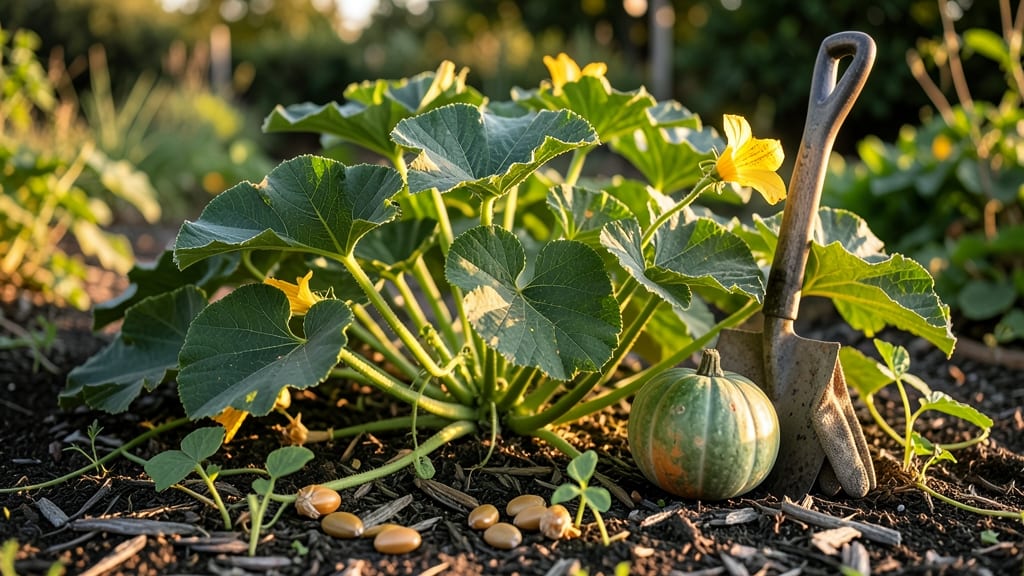
Planting pumpkins in Illinois at the wrong time can mean the difference between a thriving 🎃 harvest and wasted effort. The key to success lies in understanding your frost-free window and soil warmth—two factors that determine whether your pumpkin seeds will sprout, thrive, and produce fruit before winter arrives.
For Illinois gardeners in zones 5a-6b, timing is everything. Too early, and a late frost will kill tender seedlings. Too late, and your vines won’t have enough time to mature before the first frost hits in October.
The ideal planting window opens in mid-April to early June, but knowing how to read your soil and local climate is what separates a good harvest from a great one.
In this guide, I’ll break down exactly when to plant pumpkins in Illinois—whether you’re starting seeds indoors or sowing directly into the ground—plus pro tips for checking soil temperature and adjusting for your specific region. Let’s get those vines growing strong!
From choosing the right variety to spacing plants correctly, you’ll learn how to maximize your pumpkin patch’s potential. Whether you’re a beginner or a seasoned gardener, these strategies will help you avoid common mistakes and enjoy a bountiful harvest from late summer through fall.
Best planting dates for pumpkins in Illinois based on hardiness zones
Illinois spans USDA hardiness zones 5a-6b, meaning your pumpkin planting window shifts slightly between northern and southern regions.
In northern Illinois (zones 5a-5b), wait until after Memorial Day (mid-May) to plant, while southern Illinois (zones 6a-6b) gardeners can start as early as mid-April once soil warms to 60°F+. These dates align with Illinois' average last frost dates of April 15 (north) to May 1 (south).
For direct-sown pumpkins (most common method), aim for late May to early June statewide.
This ensures vines have 90-120 days to mature before first frost (typically October 15). Northern Illinois has a shorter growing season, so opt for faster-maturing varieties like 'Jack Be Little' (75 days) or 'Small Sugar' (85 days). Southern Illinois can handle larger varieties like 'Howden' (110 days) with extra care.
Here’s how to adjust for microclimates in Illinois: Low-lying areas (like the Illinois River Valley) may frost later, while hills or urban heat islands (e.g., Chicago suburbs) warm faster. Use a soil thermometer to confirm 60-70°F soil temps—pumpkin seeds won’t sprout below 55°F.
Pro tip: Black plastic mulch can warm soil by 5-10°F, letting you plant 2-3 weeks earlier in cooler zones.
If you’re starting seeds indoors (for a head start), sow 4-6 weeks before your target outdoor planting date. Use biodegradable pots to avoid transplant shock when moving seedlings outdoors. Northern Illinois gardeners should start seeds by mid-April, while southern Illinois can begin as early as mid-March.
Harden off seedlings for 7-10 days before transplanting to acclimate them to outdoor conditions.
For container growing (e.g., patios or balconies), choose compact varieties like 'Baby Boo' (45 days) or 'Pepita' (80 days). These thrive in 5-gallon pots and can be planted 2 weeks later than in-ground pumpkins since containers warm faster. Just ensure pots have drainage holes and use lightweight potting mix
How to time pumpkin planting with soil temperature and frost dates
Timing your pumpkin planting in Illinois isn’t just about the calendar—it’s about understanding your soil’s readiness and local frost patterns. Pumpkin seeds need soil temperatures of 60-70°F to germinate properly, and Illinois’ last average frost date typically falls between April 15 and May 1, depending on your region.
If you plant too soon, a late frost can wipe out your seedlings before they even sprout.
Start by checking your local frost dates from the National Weather Service or your county extension office. In northern Illinois (zones 5a-5b), aim to plant after May 1, while southern Illinois (zones 6a-6b) can start as early as mid-April.
For a buffer, I always add 2-3 weeks to the average last frost date to account for unpredictable spring weather.
To test soil warmth, use a soil thermometer (available at garden centers for under $10). Insert it 2 inches deep in the morning—this is where pumpkin seeds will be planted. Wait until the temperature consistently reads 60°F or higher for at least 5-7 days.
If your soil is still cold, consider using black plastic mulch to warm it up faster.
Step-by-Step Guide to Perfect Pumpkin Planting Timing
-
Step 1: Calculate Your Frost-Free Window
Subtract your first average frost date (October 15) from your last average frost date (April 15-May 1). This gives you roughly 165 frost-free days—the ideal window for pumpkins, which take 75-120 days to mature. -
Step 2: Test Soil Temperature
Use a soil thermometer to confirm temps are 60°F+ at 2-inch depth. If below 60°F, wait or use black plastic mulch to warm soil. -
Step 3: Choose Your Planting Method
Direct-sow after last frost (best for warm regions). Start indoors 2-3 weeks before last frost in cooler zones (e.g., northern Illinois). Use biodegradable pots to avoid transplant shock. -
Step 4: Adjust for Early/Late Seasons
If frost threatens early, use row covers or cold frames. For late starts, opt for fast-maturing varieties (e.g., 'Jack Be Little' at 75 days) or extend the season with greenhouses. -
Step 5: Monitor and Mulch
After planting, apply straw or grass clippings to retain moisture and warmth. Water deeply 1-2 inches per week, focusing on the vine base to encourage strong root growth.
For gardeners in northern Illinois, where springs can be chilly, I recommend starting seeds indoors in late March and transplanting after the last frost. Use grow lights if natural light is limited, and harden off seedlings for 7-10 days before moving them outside.
In southern Illinois, you can often direct-sow in early April, but always check soil temps first.
Pro tip: If you’re unsure about your local frost dates, use the Almanac’s Frost Calculator or ask your county extension office for hyper-local advice. They’ll provide data tailored to your specific microclimate, which can vary even within the same city.
For example, areas near Lake Michigan may have later frosts than inland regions.
Once your pumpkins are in the ground, keep an eye on the weather forecast. If a late frost is predicted, rush to cover seedlings with frost blankets or row covers.
With the right timing and a little preparation, you’ll be carving jack-o’-lanterns from your own homegrown pumpkins by October! 🎃