
Plants
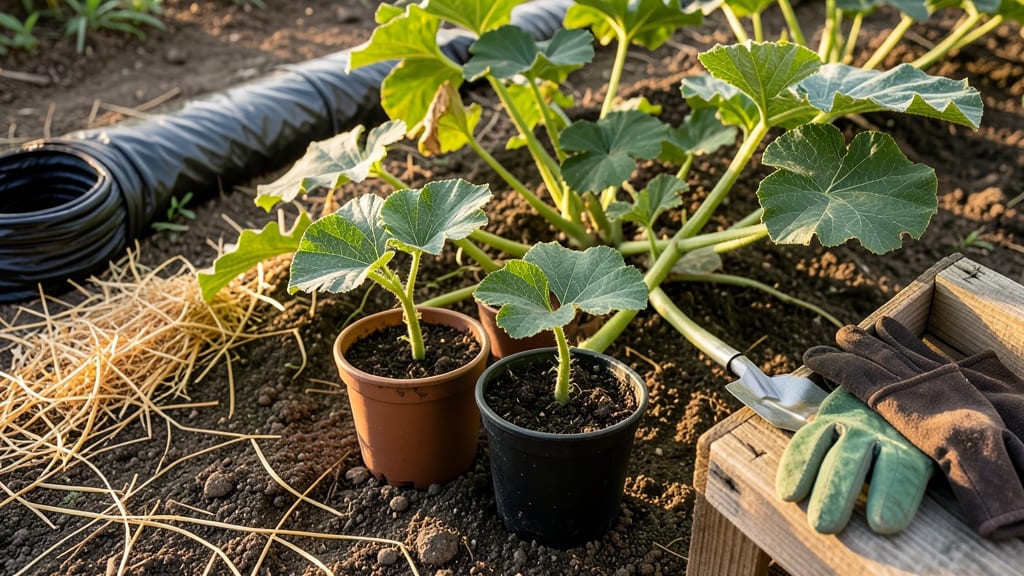
Planting pumpkins in Pennsylvania at the wrong time can turn your dream harvest into a frost-killed disappointment—but getting the timing right means bountiful 🎃 vines and perfect gourds by October.
Unlike generic advice, Pennsylvania’s 5b-7a zones demand precision, with last-frost dates shifting dramatically from Erie’s coastal warmth to the Poconos’ chilly valleys.
The key is planting after your area’s last frost—typically late May to early June—but this varies by county. Whether you’re starting seeds indoors 4-6 weeks before the window or sowing directly outdoors, I’ll break down the exact microclimate rules for your region to ensure your pumpkins thrive.
You’ll also discover how to pick frost-resistant varieties like ‘Howden’ or ‘Cinderella’ and adjust for Pennsylvania’s unpredictable weather. No more guessing—just a step-by-step guide to turn your garden into a pumpkin patch before the first frost hits.
Let’s dive into the planting schedule that’ll have your vines sprawling and your harvest ready by Halloween—no matter where in Pennsylvania you’re growing!
Pennsylvania pumpkin planting dates by microclimate Zone
Pennsylvania’s diverse climate means your pumpkin planting timeline should match your local microclimate. The Keystone State spans USDA zones 5b-7a, with last frost dates varying by 10-14 days between regions.
Planting too early risks frost damage, while late planting may leave you with underripe pumpkins before winter sets in.
For zero-frost success, aim to plant pumpkin seeds 1-2 weeks after your area’s average last frost date. Most Pennsylvania counties experience their last frost between April 20 and May 10, but mountain regions like the Poconos can see frost as late as May 25.
Let’s break down the ideal planting windows by region.
🎃
Pennsylvania Pumpkin Planting Guide by Region
| Region | USDA Zone | Last Frost Date | Optimal Planting Window | Harvest Window |
|---|---|---|---|---|
| Southeastern PA (Philadelphia, Lancaster) | Zone 7a | April 20-May 1 | May 10-20 (direct sow) | September 15-October 10 |
| Central PA (Harrisburg, York) | Zone 6b | April 25-May 5 | May 15-25 (direct sow) | September 1-October 5 |
| Northwest PA (Erie, Pittsburgh) | Zone 6a | May 1-10 | May 20-June 1 (direct sow) | September 5-September 25 |
| Northeast PA (Scranton, Wilkes-Barre) | Zone 5b | May 10-20 | May 30-June 10 (direct sow) | August 25-September 15 |
| Southwest PA (Johnstown, Altoona) | Zone 6a | April 28-May 8 | May 15-25 (direct sow) | September 1-September 20 |
💡 Pro Tip: For mountain regions (e.g., Poconos), consider starting seeds indoors 2-3 weeks before transplanting after last frost.
Soil temperature is just as critical as frost dates. Pumpkin seeds need soil temps above 60°F (15°C) to germinate properly. In cooler regions like the Poconos or Northeastern PA, wait until soil reaches this threshold—typically late May to early June—before planting.
If you’re in Zone 7a (southeastern PA), you have the longest growing season and can plant as early as mid-April if using row covers to protect young seedlings. However, most gardeners in this zone still wait until May 10-20 for safer results.
For container gardening, plant pumpkins in large pots (15+ gallons) and place them in a south-facing location. Containers warm up faster than soil, giving you a 2-week head start in cooler regions like Erie or Scranton. Just ensure pots have drainage holes to prevent root rot.
🌱
Remember: Pumpkins need 90-120 days to mature. If you’re aiming for Halloween-ready pumpkins, plant by mid-July at the latest in Zone 6a or cooler. For baking or storage pumpkins, a slightly later planting (early August) can still yield great results before the first frost.
Use local Penn State Extension resources or Almanac frost date maps to fine-tune your planting schedule. These tools account for microclimate variations within counties—critical for avoiding frost damage in valleys or low-lying areas.
How to adjust planting for Pennsylvania’s unpredictable weather patterns
Pennsylvania’s weather can throw curveballs—one week might bring unexpected late frosts, while another delivers early autumn chills. If you’ve ever watched your pumpkin vines wilt from a surprise frost, you know how critical it is to adapt.
The key is extending your growing season with smart strategies, like using row covers or choosing frost-resistant varieties that thrive in cooler temps.
For example, if your last frost date slips into early June (common in the Poconos), you’ll need to start seeds indoors 6-8 weeks before transplanting. Meanwhile, Erie’s coastal warmth might let you sow directly in late May.
The goal? Ensure your pumpkins have 120 frost-free days to mature—no matter what Mother Nature throws your way.
Here’s how to future-proof your pumpkin patch against Pennsylvania’s whims:
⚠️ Warning: Late Spring Frosts
If your area (like the Poconos or Allegheny Plateau) faces late frosts, avoid planting outdoors before May 20. Instead:
- Start seeds indoors in biodegradable pots 4-6 weeks before your last frost.
- Use row covers or cloches to protect seedlings for 2-3 weeks after transplanting.
- Choose early-maturing varieties like ‘Jack Be Little’ (75 days) or ‘Small Sugar’ (80 days).
Pro tip: Monitor soil temperatures—pumpkin seeds need 60°F+ to germinate. Use a soil thermometer to avoid wasted efforts!
Another challenge? Early autumn chills that sneak in by September. To combat this, opt for long-vine varieties like ‘Howden’ (great for carving) or ‘Cinderella’ (disease-resistant and frost-tolerant). These varieties can handle cooler temps better than standard pumpkins, giving you a few extra weeks of growth.
Don’t overlook mulching—a 3-inch layer of straw or leaves keeps soil warm longer and retains moisture. This is especially helpful in Zone 5b areas (like Pittsburgh or State College) where nights can dip into the 40s°F by late August.
Pair mulch with drip irrigation to avoid fungal issues from overhead watering.
Finally, keep an eye on weather forecasts in the weeks leading up to harvest. If a hard frost is predicted, rush to pick your pumpkins before they’re damaged. A hard rind (test by pressing a fingernail—if it doesn’t pierce, it’s ready!) is your best defense against early frosts.
With these adjustments, you’ll turn Pennsylvania’s unpredictable weather into an advantage—not a setback.
Now that you’ve got your timing and frost-proofing strategies locked in, let’s talk about the best pumpkin varieties to grow in your specific corner of Pennsylvania—because not all pumpkins are created equal for our climate! 🎃