
Plants
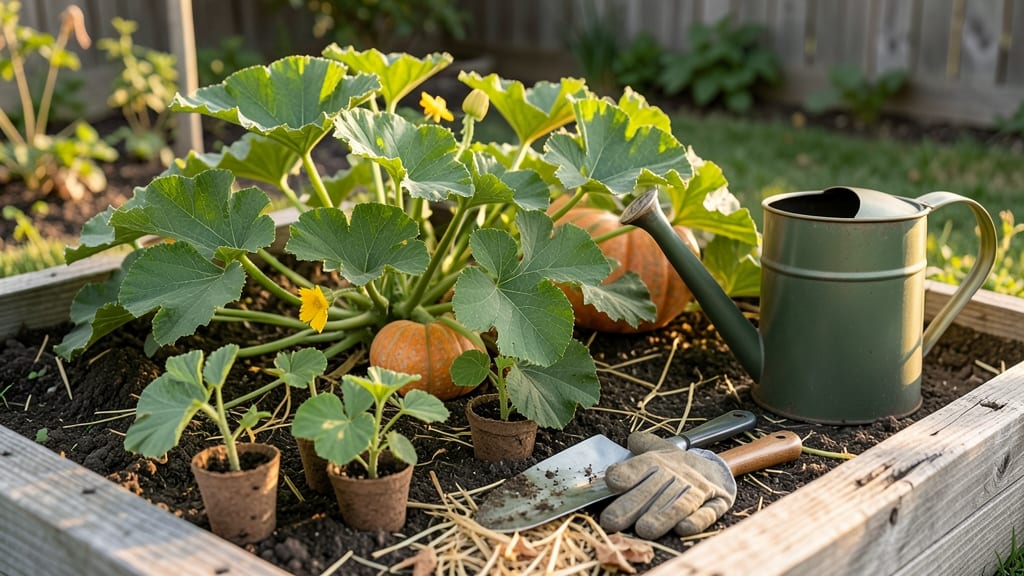
Planting pumpkins in Washington State isn’t one-size-fits-all—get the timing wrong, and you’ll either face frost-killed vines or miss the sweet spot for disease-resistant, full-size 🎃. The key? Knowing your microclimate, from the cooler Pacific Northwest coast to the warmer inland valleys, where frost-free deadlines can shift by weeks.
Most gardeners in USDA zones 5b-8b (like Western WA’s 7b-8b or Eastern WA’s 5b) should start seeds indoors by mid-March or plant directly after the last frost—typically mid-April to early June.
But here’s the catch: Eastern WA’s high-desert zones (think Yakima) have earlier frost risks than Seattle’s milder climate, so timing matters.
This guide breaks down the exact planting windows for your region, plus soil prep secrets to extend your growing season. Whether you’re growing giant carving pumpkins or quick-harvest pie varieties, we’ll cover how to avoid common mistakes—like planting too late or ignoring soil temperature—that ruin your harvest.
Ready to grow bigger, healthier pumpkins with zero frost risk? Let’s dive into the science-backed schedule tailored for Washington’s diverse climates.
Washington pumpkin planting calendar by microclimate: frost-free deadlines by region
Washington State’s three distinct microclimates create wildly different pumpkin planting windows. Coastal Western WA (like Seattle) enjoys 160+ frost-free days, while Eastern WA (Spokane, Yakima) has only 120-140 days.
High-desert areas like Wenatchee? Even shorter—just 90-110 days. Let’s break down the exact planting deadlines for each zone, using USDA hardiness zones 5b-8b and Washington State University Extension data.
Your first step: Check your last frost date. Western WA averages April 15, but Eastern WA often waits until May 15. Soil temperature matters more than calendar dates—wait until it hits 60°F (15°C) at 4 inches deep.
Cold soil stunts growth, and pumpkin seeds won’t germinate below 55°F (13°C). Use a soil thermometer if unsure.
For giant pumpkins (like ‘Atlantic Giant’), aim for April 1–15 in Western WA or May 1–15 in Eastern WA. These varieties need 120+ days to mature. Pie pumpkins (e.g., ‘Sugar Pie’) can wait until May 15–June 1—they mature in 90 days.
In high-desert zones, stick to fast-maturing ‘Jack Be Little’ (75 days) planted by May 15.
🎃 Pro Tip: Use black plastic mulch to warm soil 5–10°F faster in cooler zones. Lay it down 2–3 weeks before planting to jumpstart germination.
🌱 Washington Pumpkin Planting Summary Table
| Region | USDA Zone | Last Frost Date | Ideal Planting Window | Soil Temp Threshold | Best Varieties |
|---|---|---|---|---|---|
| Western WA (Coastal/Puget Sound) | 7b-8b | April 15 | April 15–May 15 | 60°F (15°C) | Howden, Cinderella, Sugar Pie |
| Western WA (Inland: Wenatchee, Yakima) | 6a-7a | May 1 | May 1–June 1 | 60°F (15°C) | Jack Be Little, Small Sugar |
| Eastern WA (Spokane, Pullman) | 5b-6a | May 15 | May 15–June 10 | 65°F (18°C) | Early Girl, Baby Bear |
| High Desert (Moses Lake, Omak) | 6b-7a | May 10 | May 10–June 5 | 60°F (15°C) | Jack Be Little, Gold Rush |
⏰ Key: Plant 2–3 weeks before your zone’s ideal window if using black plastic mulch.
If you’re in Zone 5b (Eastern WA), avoid planting before May 15. The risk of late frosts is high, and pumpkin seedlings won’t survive below 40°F (4°C). Instead, start seeds indoors 2–3 weeks early and transplant after May 20.
For Western WA gardeners, you have flexibility—plant as early as April 1 for giant varieties, but wait until April 15 for pie pumpkins to avoid powdery mildew in damp coastal air.
💡 Washington-Specific Hack: In high-desert areas, plant near windbreaks (like tall corn or sunflowers) to protect vines from hot, drying winds. Mulch with straw to retain moisture—these zones can swing from 90°F days to 40°F nights.
For container-growing (e.g., patios in Seattle), use 5-gallon pots and plant dwarf varieties like ‘Jack Be Little’ by May 1. Containers dry out 3x faster than ground soil, so water daily in summer. Place pots in full sun (south-facing) and use self-watering systems to prevent stress.
🌡️ Watch For:
How to adjust pumpkin planting for Washington’s unpredictable weather: heatwaves, early frosts, and soil prep hacks
Washington’s weather throws curveballs—one week brings unexpected heatwaves that bake young seedlings, while another delivers late spring frosts that stall growth. The key to success? Flexible strategies that adapt to your region’s quirks.
For example, Yakima’s high desert can swing from freezing nights to 90°F days, while Seattle’s coastal fog keeps soil cool longer. Here’s how to outsmart Mother Nature.
Start by testing soil temperature—pumpkin seeds need at least 60°F soil to germinate. Use a soil thermometer ($10 at garden centers) or the back-of-hand test: if the soil feels warm to your palm, it’s ready.
In cooler zones (USDA 5b-6a), like Eastern WA, delay planting until late May to avoid frost, even if neighbors rush in April.
- 🔥 Black plastic mulch: Warms soil by 10-15°F—critical for Eastern WA growers. Lay it down 2 weeks before planting.
- 💧 Drip irrigation: Keeps roots moist without overhead watering (prevents fungal diseases like powdery mildew).
- 🌱 Compost top-dressing: Adds organic matter to sandy Columbia Basin soils or clay-heavy Puget Sound areas.
- ✂️ Clover cover crop: Plant in fall to fix nitrogen—Washington’s acidic soils often lack this nutrient.
Choose fast-maturing varieties if your season is short. For Eastern WA’s 90-day window, try ‘Jack Be Little’ (75 days) or ‘Sugar Pie’ (85 days). In Western WA’s longer season (120+ days), opt for ‘Howden’ (110 days) or ‘Cinderella’ (100 days) for giant pumpkins.
Pro tip: Start seeds indoors in biodegradable pots (like peat pellets) 3–4 weeks before your last frost date to give seedlings a head start.
Protect seedlings from late frosts with floating row covers or cloches. Eastern WA gardeners report 30% higher survival rates when using these—especially in May, when frost can still hit.
Remove covers once flowers appear to encourage bee pollination (critical for fruit set). For heatwaves, provide shade cloth (30-50%) during the hottest hours to prevent blossom drop.
Monitor soil moisture closely—Washington’s irregular rainfall means pumpkins often face drought stress or root rot. Use a moisture meter to aim for 1 inch of water per week, delivered deeply (not surface watering).
In sandy soils (common in Yakima), water every 2–3 days; in clay soils (Seattle area), every 5–7 days. Mulch with straw to retain moisture and suppress weeds.
Finally, watch for pests like squash vine borers—more aggressive in Western WA’s humid summers. Handpick eggs (tiny white ovals on leaves) or use row covers until flowers appear. For disease prevention, rotate crops: never plant pumpkins where cucurbits (squash, melons) grew the prior year.
With these adjustments, you’ll beat Washington’s weather and grow bountiful, healthy pumpkins every season.