
Plants
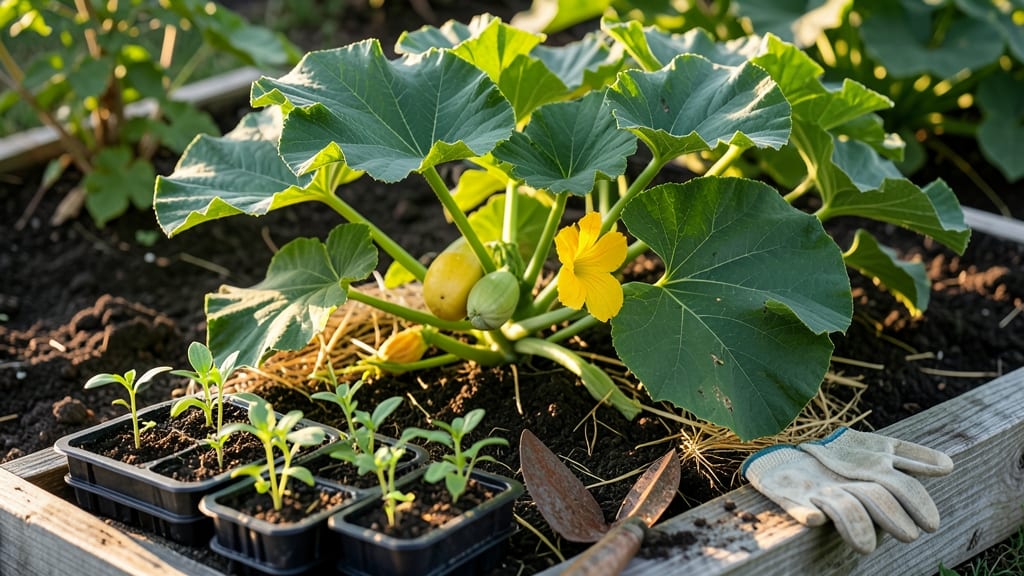
Timing your squash planting in Texas isn't just about following a calendar—it's about beating the heat and avoiding frost, two challenges that can make or break your harvest.
With 🎃 varieties thriving in zones 8a-10b, knowing when to plant means the difference between a lush garden and a wilted disappointment.
Most Texas gardeners swear by planting squash in March-May for spring crops, but summer varieties demand a different strategy—think July-August to escape the peak scorching months. Whether you're in North Texas or the Rio Grande Valley, soil temperature and frost dates (which vary wildly) dictate your exact window.
I’ll break down the best planting months for your specific zone, plus the heat-tolerant varieties that actually perform in Texas’ brutal summers. No more guesswork—just proven methods to get you from seed to harvest without the stress.
Ready to grow squash that thrives in Texas heat? Let’s dive into the exact months, soil secrets, and variety picks that’ll keep your garden productive all season long.
Best planting months for squash in Texas by hardiness zone
Texas gardeners know timing is everything when planting squash. The state’s USDA zones 8a-10b create wildly different conditions—North Texas faces early spring frosts, while South Texas can bake at 100°F by June. To succeed, align your planting with soil temperatures (minimum 60°F) and regional frost dates.
For most Texas zones, spring planting (March-May) is ideal for summer squash like zucchini, while winter varieties (butternut, acorn) thrive when sown in July-August. But these windows shift dramatically depending on whether you're in El Paso (higher elevation) or Houston (humid coastal).
Here’s the breakdown you need to avoid frost damage or heat stress:
| Zone | Last Frost Date | Best Planting Window | Soil Temp Requirement | Harvest Window |
|---|---|---|---|---|
| 8a (North Texas) | Feb 15 | April 1 - May 15 | 60°F+ | June - Sept |
| 9a (Central Texas) | Jan 31 | March 15 - April 30 | 60°F+ | May - Oct |
| 10a (South Texas) | Jan 1 | Feb 15 - April 1 | 65°F+ | April - Nov |
| Summer Planting (All Zones) | N/A | July 1 - Aug 15 | 70°F+ | Sept - Nov |
In El Paso (zone 7b), plant summer squash as late as May 15—the high desert’s cooler nights delay heat stress. Meanwhile, Houston gardeners (zone 9a) can direct-sow zucchini in February if you use black plastic mulch to warm soil faster.
For winter squash like butternut, aim for July-August plantings to avoid the brutal August-September heat. These varieties need 80-90 days to mature, so time it right to harvest before first frost (November in North Texas).
Pro tip: Use a soil thermometer—squash seeds won’t germinate below 60°F, and waiting for warmer soil prevents damping-off disease. In zone 10b (Rio Grande Valley), you can plant year-round, but June-August is riskiest due to hurricane season and pests.
Remember: Succession planting every 2 weeks after your initial window extends harvests. For example, in Dallas (zone 8a), plant 3 batches in April, May, and June to enjoy squash from June through October.
Now that you’ve got the timing nailed down, let’s talk about the best heat-tolerant varieties that actually thrive in Texas summers—no wilting in sight! 🎃
Best planting months for squash in Texas by hardiness zone
Texas gardeners face a unique challenge with squash planting: the state's 8a-10b zones span from chilly North Texas to tropical South Texas, creating wildly different frost dates and heat patterns.
In Zone 8a (like Dallas), your last frost typically hits around February 15, while Zone 10b (Houston area) rarely sees frost at all. This means your planting window shifts dramatically depending on where you live.
For most Texas gardeners, the ideal planting window falls between March and May for spring crops, with a second window in July-August for summer varieties. But here's the catch: soil temperature matters more than calendar dates.
Squash seeds need soil that's at least 60°F—any cooler and they'll rot in the ground. In cooler zones, use black plastic mulch to warm the soil faster.
| Zone | Last Frost Date | Spring Planting Window | Summer Planting Window | Soil Temp Requirement |
|---|---|---|---|---|
| 8a (Dallas) | Feb 15 | March 15 - April 30 | July 15 - August 15 | 60°F+ |
| 9a (Austin) | Jan 31 | February 28 - May 15 | June 15 - August 30 | 60°F+ |
| 10a (Houston) | None (rare) | January 15 - April 30 | May 15 - September 15 | 65°F+ |
| 10b (Brownsville) | None | December 15 - March 31 | April 15 - October 15 | 70°F+ |
If you're in North Texas (Zone 8a), aim to plant summer squash like zucchini by April 15 to avoid the brutal summer heat. For winter squash varieties (like butternut), start seeds indoors in March and transplant after the last frost.
In South Texas (Zones 9a-10b), you can plant year-round, but focus on spring (Jan-Mar) and fall (Sept-Nov) for best results.
Pro tip: Use a soil thermometer to check temperatures before planting. If your soil is below 60°F, wait or use row covers to create a warmer microclimate. In El Paso (Zone 7b), extend your season by planting in low desert areas where heat lingers longer.
Remember, Texas heat can be unforgiving. Planting too late means your squash will bolt (flower prematurely) or develop sunscald from intense afternoon sun. For a foolproof harvest, stick to these zone-specific windows and choose heat-tolerant varieties designed to thrive in Texas summers.