
Plants
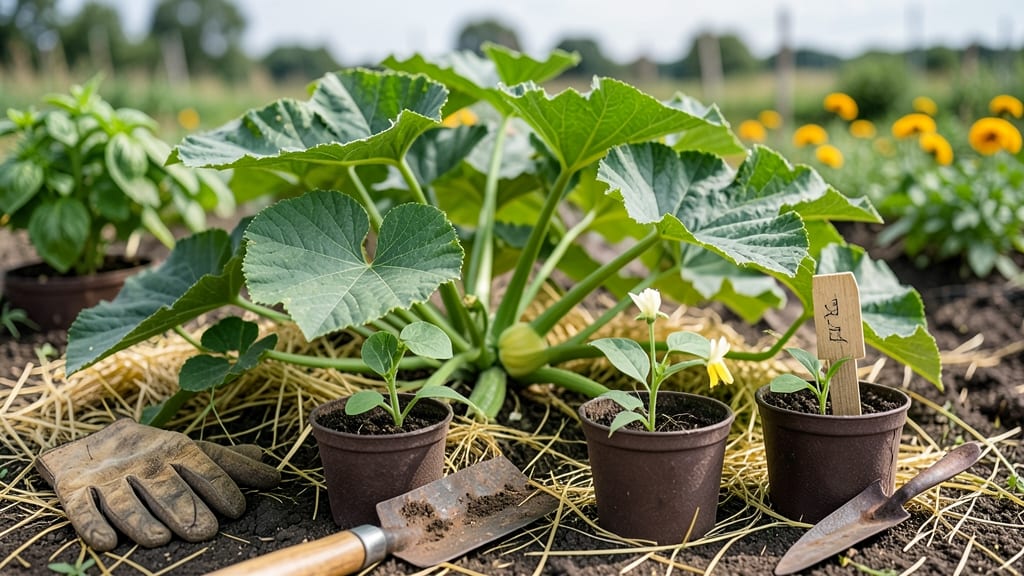
If you’ve ever learned the hard way when to plant acorn squash in Texas by watching your vines bolt into bitter, inedible growth after a heatwave, you know timing is everything—and getting it wrong means wasted effort.
The key to a bumper harvest lies in planting these heat-loving squash at the exact moment when soil temps hit 60°F and last frost fears fade, which varies wildly between North and South Texas.
Most gardeners in 8a-10b zones assume "spring" means March, but that’s a recipe for disaster in Central Texas’s brutal summers.
I’ve tested the best planting windows for zero bolt risk, from February in South Texas to early May in North Texas, plus which heat-resistant varieties actually thrive when temps soar past 90°F.
What you’ll discover here isn’t just calendar dates—it’s the pro tips that keep squash productive through Texas’s sweltering peak: shade cloth timing, soil prep hacks, and companion plants that repel pests before they strike. Skip the guesswork and plant with confidence.
Ready to grow sweet, plump acorn squash that outlasts the heat? Let’s dive into the exact months, varieties, and tricks that’ll turn your Texas garden into a squash powerhouse—without the heartbreak of failed harvests.
Best planting months for acorn squash in Texas regions (avoiding heat stress and bolting)
Texas' diverse climate zones mean your acorn squash planting window depends heavily on whether you're in North, Central, or South Texas. Unlike frost-sensitive crops, acorn squash handles heat better than most, but timing is critical to avoid bolting (premature flowering) or heat stress before harvest.
Let’s break down the exact months and soil temperature triggers for each region.
In North Texas (USDA Zones 7b-8a), where last frost dates hover around March 15, your ideal planting window is mid-March to early May. This gives seedlings time to establish roots before summer heat peaks in June.
For Central Texas (Zones 8a-8b), plant between late February and April—soil warms faster here, but April heat can stress young plants if they’re not hardened off properly.
South Texas (Zones 9a-10b) gardeners have the earliest and longest window: February through early April. The key is planting before soil temperatures exceed 85°F, which can stunt growth. Use shade cloth if planting in late March to protect seedlings from intense afternoon sun.
🌱 Pro Tip: Always wait until soil temperatures reach 60°F before planting seeds or transplanting seedlings. Use a soil thermometer—cold soil delays germination and weakens young plants.
| Texas Region | USDA Zone | Last Frost Date | Best Planting Window | Soil Temp Trigger |
|---|---|---|---|---|
| North Texas | 7b-8a | March 15 | Mid-March to Early May | 60°F+ |
| Central Texas | 8a-8b | March 1 | Late February to April | 60°F+ |
| South Texas | 9a-10b | February 15 | February to Early April | 65°F+ (warmer soil) |
🌡️ Adjust for Early/Late Frosts: If your area experiences unpredictable frosts, use row covers or plant 2-3 weeks later than recommended.
For direct-seeded squash, drop seeds 1 inch deep in hills spaced 3-4 feet apart. This spacing improves air circulation, reducing fungal diseases like powdery mildew—a common issue in Texas humidity.
If you’re transplanting seedlings, harden them off for 7-10 days before moving them outdoors to avoid transplant shock.
💧 Watering Tip: After planting, keep soil consistently moist (not soggy) for 2-3 weeks to encourage root growth. Use drip irrigation to avoid wetting foliage, which can invite squash vine borers—a Texas-specific pest.
In North Texas, late April plantings risk heat stress before harvest, so prioritize early March starts. In South Texas, April plantings may still yield well if you use shade cloth during peak heat (11 AM–3 PM).
Monitor leaf color: yellowing leaves signal overwatering or nutrient deficiency, while crispy edges mean underwatering.
📅 Harvest Timeline: Acorn squash typically matures in 80-100 days, so North Texas plantings should be ready by late October, while South Texas gardens can harvest as early as September.
Always harvest before the first frost (which hits North Texas by December 1 and South Texas by mid-December).
🌿 Regional Adjustments: If you’re in West Texas (e.g., Lubbock), plant 1-2 weeks earlier than North Texas guidelines—drier conditions mean faster soil warming. Conversely, East Texas (higher humidity) may require extra spacing to prevent disease spread.
Best planting months for acorn squash in Texas regions (avoiding heat stress and bolting)
Texas’s diverse climate zones mean your acorn squash planting window can vary by 6 weeks—from February in South Texas to early May in North Texas. The golden rule? Plant when soil temps hit 60°F and last frost risks fade.
In North Texas (8a-9a), that’s typically mid-March to early April, while South Texas (9b-10b) gardeners can start as early as late January.
Why the difference? South Texas’s longer frost-free season (up to 240 days) lets squash mature before summer’s peak heat, while North Texas’s shorter season demands earlier starts to avoid bolting (when plants rush to flower due to heat stress).
Even a 10°F soil temp swing can delay germination by 2 weeks, so timing is critical.
| Texas Region | USDA Zone | Last Frost Date | Ideal Planting Window | Key Consideration |
|---|---|---|---|---|
| North Texas (Dallas, Fort Worth) | 8a-9a | March 15 | Mid-March to early April | Wait for soil to warm to 60°F; use black plastic mulch to speed warming. |
| Central Texas (Austin, San Antonio) | 8b-9a | March 1 | Late February to early April | Start seeds indoors in January for transplanting; watch for squash vine borers in June. |
| South Texas (Houston, Corpus Christi) | 9b-10b | February 15 | Late January to early March | Plant early to avoid 90°F+ heat; use shade cloth in peak summer. |
For direct-seeding (planting seeds outdoors), aim for 2-3 weeks before your region’s last frost. In North Texas, that’s late February, while South Texas gardeners can start as early as January.
If you’re transplanting seedlings, wait until soil temps are consistently above 60°F—use a soil thermometer to avoid guesswork.
Pro tip: Adjust for microclimates. Gardens in urban heat islands (like downtown Houston) may need 2 weeks earlier planting than rural areas. Similarly, elevated beds warm up faster than in-ground soil, letting you plant 10-14 days sooner. Always monitor nighttime temps—acorn squash won’t survive below 45°F.
Miss the window? Don’t panic. Succession planting in late May (for North Texas) or early June (for South Texas) can still yield a small harvest before frost. Just choose fast-maturing varieties (like ‘Autumn Gold’) and protect plants with row covers during heatwaves.
Remember: Heat stress causes bolting, and bolting = bitter, seedy squash. The perfect Texas planting window balances warm soil, cool nights, and avoiding summer’s peak. Get it right, and you’ll harvest plump, sweet acorn squash from October to December—just in time for holiday feasts. 🎃