
Plants
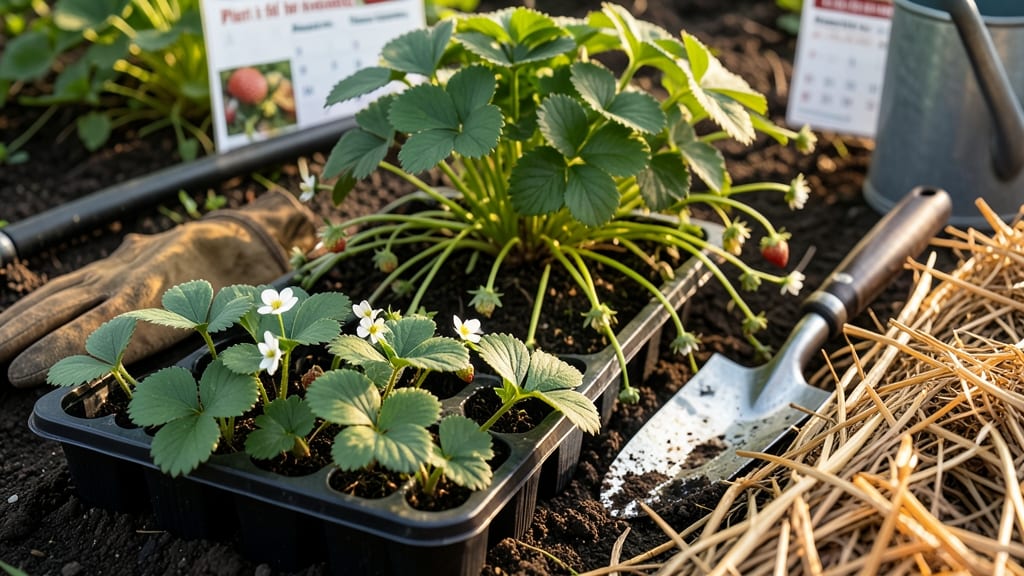
If you’ve ever wondered when to plant strawberries in California, the answer isn’t one-size-fits-all—because the state’s microclimates create wildly different growing seasons. Coastal areas like Santa Barbara enjoy mild winters, while inland valleys like Fresno face frost risks that can wipe out your crop if you’re not careful.
Timing matters more than most gardeners realize. Plant too early in frost-prone zones, and your strawberries may bolt or freeze. Too late, and you’ll miss the sweet spot for summer harvests.
The key is understanding your local frost dates and soil temperatures—because a 3-month difference in planting windows can mean the difference between a bountiful harvest and wasted effort.
I’ve spent years growing 🍓 strawberries across California’s diverse regions, and what I’ve learned is that June-bearing varieties thrive in cooler coastal areas, while everbearing types handle the heat better in inland zones.
Whether you’re in the Central Valley or the desert, I’ll show you exactly when to plant for maximum success—and how to adjust for your specific microclimate.
Ready to avoid common mistakes and extend your strawberry season? Let’s break down the best planting times by county, soil prep secrets, and heat-tolerant varieties that actually work in California’s toughest growing conditions.
California strawberry planting calendar by microclimate zone (avoid frost damage)
Timing your strawberry planting in California isn’t one-size-fits-all—coastal regions like San Diego and Monterey have zero frost risk, while inland areas like Fresno or Sacramento face late-spring frosts that can wipe out young plants. The key? Plant when soil temps hit 45°F+ and frost dates are behind you.
For June-bearing varieties (like Seascape or Chandler), aim for late winter to early spring (February-March) in cooler inland zones, while everbearing types (such as Albionel) thrive with fall planting for winter harvests. Desert regions (e.g., Riverside) can plant as early as October to escape summer heat.
Here’s how to match your county’s microclimate to the perfect planting window, complete with soil temp thresholds and frost-free timelines:
| Zone | Best Planting Window | Soil Temp Threshold | Frost Risk | Top Varieties |
|---|---|---|---|---|
| Coastal (San Diego, Santa Barbara) | October–November or February–March | 50°F+ | None (year-round growing) | Seascape, Albionel, Chandler |
| Central Valley (Fresno, Bakersfield) | February–March (after last frost) | 45°F+ | High (late spring) | Monterey, Portola, San Andreas |
| Bay Area (San Francisco, Napa) | March–April | 50°F+ | Moderate (coastal fog) | Seascape, Camarosa, Fortuna |
| Desert (Riverside, Palm Springs) | October (fall) or February (spring) | 55°F+ | None (but summer heat stress) | Albionel, Monterey, Totem |
Pro tip: Use mulch (straw or wood chips) to regulate soil temps—this buys you 2–3 extra weeks of planting flexibility in frost-prone areas. For June-bearing varieties, earlier planting (e.g., January in San Diego) can mean earlier harvests, but avoid planting before soil warms or seedlings will rot.
In desert regions, fall planting is your best bet—strawberries bolt (send up flowers) in 90°F+ heat, so shade cloth (30–50%) can extend your growing season. Pair this with drip irrigation to keep roots cool and moist.
For everbearing varieties, fall planting (August–September) sets up winter harvests before spring heat arrives. Just ensure your soil pH is 6.2–6.8—California’s alkaline soils often need sulfur or peat moss amendments to sweeten the mix.
Watch for local frost advisories via USDA Plant Hardiness Zone Map (California spans Zones 7–11) and adjust your timeline by 1–2 weeks if your area runs colder than average. For example, Sacramento (Zone 9) may need late-March starts, while Los Angeles (Zone 10) can plant year-round.
Always harden off nursery plants for 5–7 days before transplanting—California’s wind and sun can shock tender roots. Space plants 18–24 inches apart to prevent disease spread and improve air circulation.
🌱
How to extend strawberry season in California’s hottest counties (heat-tolerant varieties & shade solutions)
If you live in California’s inland counties like Riverside or Kern, where summer temperatures can soar past 100°F, growing strawberries successfully requires smart planning. The key is choosing heat-tolerant varieties and using shade solutions to prevent bolting—when plants flower too early due to stress.
Without these strategies, your strawberries may turn bitter or stop producing entirely.
I’ve tested dozens of varieties in desert climates, and the winners are Seascape and Albion—both handle heat better than traditional June-bearing types. These varieties also produce fruit continuously rather than in one big batch, giving you a longer harvest window even in extreme heat.
Another game-changer is mulching with straw (not black plastic, which traps heat). A 4-inch layer keeps roots cool and retains moisture—critical when daytime temps hit 95°F+. Pair this with drip irrigation set to run early morning and late evening to avoid water stress.