
Plants
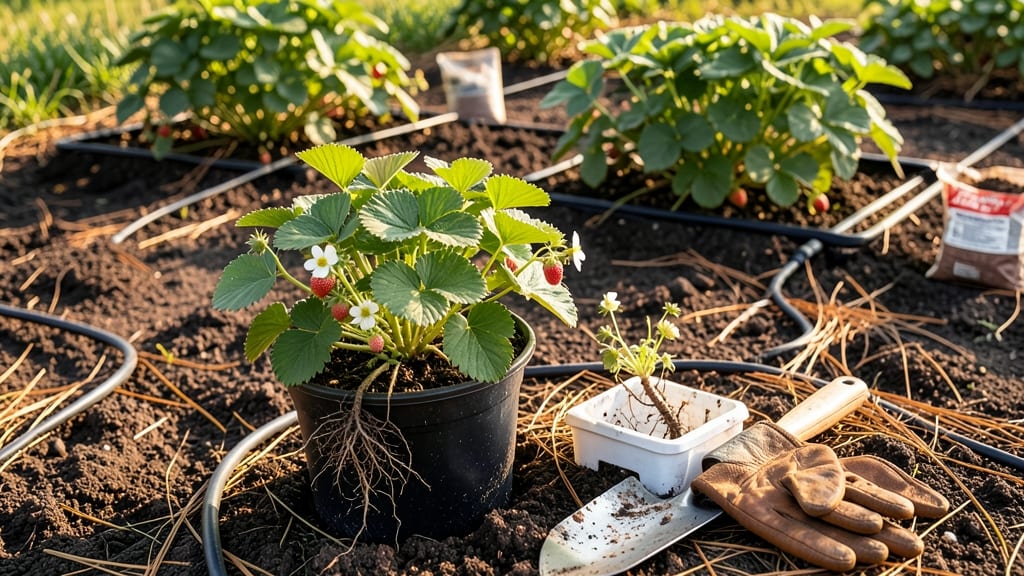
Timing your strawberry planting in Tennessee can make the difference between a bumper crop of sweet, juicy berries and plants that bolt before producing fruit. With Tennessee's 6a-7b climate, getting the window right is everything - whether you're working with bare-root plants or potted varieties.
Most gardeners in Tennessee know the spring rush to plant strawberries, but there's a second chance in late summer that many miss. I've learned the hard way that planting too early can trigger bolting, while waiting too long might leave you with weak plants.
Let me show you the exact months that work best for your specific zone.
You'll discover how to prepare your soil for maximum success, adjust for Tennessee's unpredictable frosts, and choose the right varieties that thrive in our humid summers. Whether you're a first-time gardener or a seasoned grower, these insights will help you plan for a harvest that stretches from May through June.
The key to zero-bolt success lies in understanding your local microclimate and adjusting your planting schedule accordingly. I'll walk you through everything you need to know to time your strawberry planting perfectly - so you can enjoy that first taste of homegrown 🍓 without the frustration of wasted effort.
Best planting months for Tennessee strawberries by USDA zone (6a-7b)
Tennessee's USDA Zones 6a-7b offer two prime windows for planting strawberries: early spring and late summer. The last frost date (typically around March 15) marks the cutoff for spring planting, while late summer planting should occur 4-6 weeks before first frost (usually by August 15).
I've found that these timing adjustments prevent premature bolting and maximize your harvest.
For Zone 6a gardeners in Tennessee (northwest mountains), aim to plant bare-root strawberries in March and potted varieties by April 15. In Zone 7b (Middle Tennessee), you can extend your spring window until April 30 due to warmer soil temperatures.
The key is watching for soil temperatures above 40°F—this is your green light to plant.
Many gardeners overlook the late summer planting window, but it's perfect for Tennessee's climate. Planting in July or early August gives your strawberries time to establish roots before winter. These plants will produce a fall harvest the following year, extending your growing season.
I recommend this method for gardeners who missed the spring window or want a second crop.
Here's the breakdown you need to plan your planting:
| Zone | Month | Planting Window | Soil Temp | Plant Type | Harvest Time |
|---|---|---|---|---|
| 6a (Mountains) | March 1-15 | 40-45°F | Bare-root | May-June |
| 6a (Mountains) | July 15-Aug 1 | 60-65°F | Potted | Next May-June |
| 7a (Middle TN) | March 15-April 15 | 45-50°F | Bare-root/Potted | May-June |
| 7b (West TN) | March 30-April 30 | 50-55°F | Potted | May-June |
| All Zones | July 15-Aug 15 | 60-65°F | Potted | Next May-June |
When planting bare-root strawberries in spring, soak the roots for 30 minutes before planting to rehydrate them. For potted varieties, gently squeeze the container to check root growth—if roots circle the pot, it's time to transplant.
I always plant bare-root varieties 4-6 weeks before last frost to give roots time to establish before warm weather arrives.
For late summer planting, focus on June-bearing varieties like Chandler, which handle Tennessee's heat better than day-neutral types. Space plants 18-24 inches apart in rows 3 feet apart to allow airflow and prevent fungal diseases common in our humid climate.
I've found that adding 2 inches of compost to planting holes improves root establishment significantly.
Remember that Tennessee's microclimates vary dramatically. Valley gardeners in the Cumberland Plateau (Zone 6a) may experience earlier frosts than those in West Tennessee (Zone 7b). Always check your local frost dates and adjust planting times accordingly. The Tennessee State University Extension provides excellent frost date maps for your specific county.
Proper timing isn't just about months—it's about soil conditions. Cold, wet soil in early spring can stunt root growth, while hot, dry soil in late summer stresses young plants.
Aim for well-drained soil with a pH between 5.5 and 6.8. If your soil is heavy clay (common in West Tennessee), amend with sand or compost to improve drainage.
One common mistake I see is planting strawberries too early in hopes of an earlier harvest. This often leads to bolting, where plants send up flower stalks before establishing strong roots.
The result? Tiny, bitter berries or no fruit at all. By following these zone-specific windows, you'll avoid this frustration and enjoy sweet, plentiful strawberries all season.
Best planting months for Tennessee strawberries by USDA zone (6a-7b)
Tennessee's USDA zones 6a-7b offer two prime windows for planting strawberries: early spring and late summer. Most gardeners focus on spring, but I've found that late summer planting often yields stronger plants that bear fruit the following year.
The key is understanding your last frost date, which typically falls around March 15 in most of Tennessee.
For bare-root strawberries, aim to plant them 4-6 weeks before your last frost date. This usually means mid-February to early March in zone 6a and late February to early April in zone 7b. Potted strawberries, however, can handle slightly later planting since they're less stressed.
I recommend planting them up to 2 weeks after your last frost date for best results.
Don't overlook the late summer window either! Planting in July or August gives your strawberries time to establish roots before winter. These plants will produce fruit the following year, extending your harvest season. This method is especially useful if you missed the spring window or want a second planting.
| Planting Window | USDA Zone 6a | USDA Zone 7b | Plant Type |
|---|---|---|---|
| Early Spring | Mid-February to early March | Late February to early April | Bare-root or potted |
| Late Summer | July to early August | July to mid-August | Potted only |
| Soil Temperature | Above 40°F (4°C) | Above 40°F (4°C) | Both |
| Harvest Window | May to June (next year for late summer planting) | May to June (next year for late summer planting) | Both |
If you're in zone 6a, be extra cautious about late spring planting. The risk of late frosts increases in April, which can damage newly planted strawberries. I've seen many gardeners lose their entire planting because they waited too long.
For zone 7b, you have a bit more flexibility, but don't push it past early April if you're planting bare-root varieties.
Remember that Tennessee's climate varies significantly from east to west. East Tennessee tends to have cooler springs, while Middle and West Tennessee can experience warmer temperatures earlier. Adjust your planting schedule based on your specific microclimate.
For example, if you're in the Nashville area, you might be able to plant a week earlier than someone in the Smoky Mountains.
One final tip: always check your soil temperature before planting. Strawberries need soil temperatures above 40°F (4°C) to establish roots properly. You can use a soil thermometer to verify this. If your soil is still cold, wait a few more days or weeks before planting to avoid stunted growth.