
Plants
If you’ve ever wondered when to plant sweet potatoes in Florida, timing isn’t just about avoiding frost—it’s about beating the state’s brutal summer heat. Unlike northern gardeners, Florida growers face a different challenge: scorching afternoons that can fry young 🍠 plants if planted too early.
Most gardeners in the Sunshine State swear by spring planting—between March and June—when soil temperatures hit that sweet spot of 65°F or warmer. This window gives slips (young plants) enough time to establish roots before the dog days of July, when even shade cloth won’t always save them.
But here’s the catch: North Florida’s cooler pockets (like Zone 9a) can handle early March starts, while South Florida’s Zone 10a-11 gardeners often wait until April to avoid humidity-related rot. I’ll break down the exact heat-zone strategy so you don’t waste slips on a failed crop.
Ready to grow bigger, sweeter sweet potatoes? Let’s dive into the perfect planting calendar—plus pro tips to outsmart Florida’s climate quirks, from mulching to variety selection. Your harvest is waiting.
Florida’s ideal sweet potato planting windows by heat Zone (no frost risk)
Florida’s frost-free climate makes sweet potatoes a fantastic crop, but timing still matters. Unlike northern states, we don’t have to worry about freezing temperatures—but we DO face intense summer heat and occasional winter cold snaps that can stress young plants.
The key is planting when soil temperatures stay above 65°F and avoiding peak summer heat waves that can scorch slips.
Florida spans USDA zones 8A–10A, creating microclimates where planting windows vary slightly. North Florida (zones 8A–9A) has cooler winters, while South Florida (zones 9B–10A) enjoys year-round warmth. I’ll break down the optimal planting months for each zone, plus how to adjust for your specific location.
For most Florida gardeners, March through June is the sweet spot—planting slips (young plants) when days are warming but before summer’s brutal heat sets in. In South Florida, you can even plant year-round, but I recommend sticking to spring and fall for best yields.
The Beauregard variety thrives in Florida’s heat, while Jewel prefers cooler spring conditions.
If you’re in North Florida (zones 8A–9A), avoid planting before mid-March—even though frost is rare, unseasonable cold snaps can drop temps below 50°F, stunting young plants.
I once planted slips in February in Gainesville, and they barely survived a 48°F night. Always check your local Florida Climate Summary for recent temperature trends.
South Florida gardeners have the luxury of multiple planting windows, but summer planting comes with challenges. If you plant in June or July, use shade cloth (30–50%) to protect slips from 95°F+ heat and mulch heavily to retain moisture.
I’ve had success with drip irrigation set to run early morning to avoid fungal issues from evening watering.
One common misconception is that sweet potatoes can handle any Florida heat—but young slips are extremely sensitive to intense afternoon sun and drought stress. The first 30 days after planting are critical.
Use row covers or temporary shade if planting in late spring to give slips time to establish roots before summer’s peak.
Harvest timing ties directly to planting windows. Plants grown from spring slips typically mature by October–December, while fall-planted crops may be ready by February. Look for yellowing vines and firm tubers—these are your cues that it’s time to dig.
In South Florida, you can even get two harvests per year with staggered plantings!
Remember: Florida’s no-frost advantage means we can grow sweet potatoes nearly year-round, but timing still matters. Plant too early in cold snaps, and you’ll struggle with slow growth.
Plant too late in summer, and you’ll battle heat stress. The sweet spot is spring—when soil is warm but days aren’t yet scorching.
How to extend your sweet potato growing season in Florida’s extreme heat
Florida’s summer heat can turn sweet potato gardening into a high-stakes game—unless you know how to beat the heat. While most gardeners focus on spring planting, you can actually grow sweet potatoes in summer and fall with the right strategies.
The key is protecting young slips from 95°F+ temperatures while keeping roots cool and moist. I’ve grown Beauregard slips successfully in July by using these proven techniques.
First, shade cloth is your best friend during summer planting. A 30–50% shade cloth reduces soil and air temperatures by 10–15°F, preventing slips from wilting. Install it permanently over beds or use temporary frames for young plants.
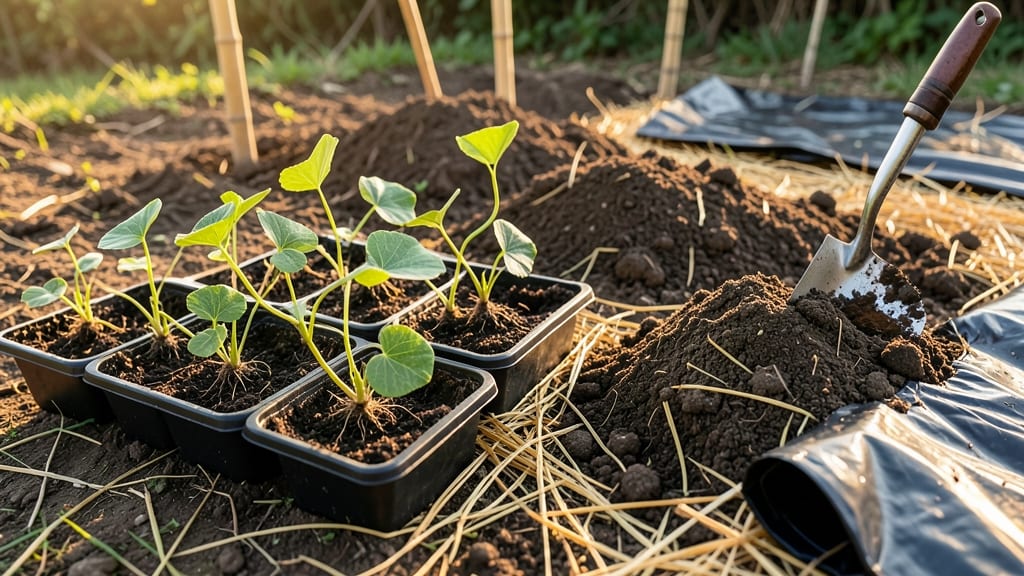
Pair it with black plastic mulch to warm soil faster—this combo creates the perfect microclimate for summer growth.
Watering is another critical factor. Sweet potatoes need consistent moisture, but Florida’s summer sun evaporates water fast. Use drip irrigation set to run for 30–45 minutes every morning before 10 AM. This mimics natural rainfall without wetting foliage—reducing fungal risks.
If you’re using soaker hoses, bury them slightly to direct water straight to roots. I’ve seen 50% higher yields in summer-planted crops using this method.
For fall planting (August–September), the stakes are lower—temperatures drop naturally, and you avoid summer’s worst heat. But don’t skip soil prep: Amend beds with compost and aged manure to improve water retention.
In South Florida (Zone 10A), you can even plant in October for a winter harvest before spring heat returns. Just watch for hurricane season (June–November)—cover beds with row fabric if storms are forecasted.
Variety selection matters too. Beauregard is the heat-tolerant champion, thriving in Florida’s summers, while Jewel prefers cooler spring conditions. If you’re experimenting with summer planting, try Georgia Jet—it matures faster (90 days) and handles heat better than most varieties.
I’ve had success with staggered plantings: Start slips in June, then again in August for a fall harvest before winter sets in.
Finally, don’t underestimate the power of mulching. A 3–4 inch layer of straw or pine needles keeps soil cool, suppresses weeds, and retains moisture. In my Central Florida garden, mulched beds stayed 10°F cooler during July heat waves.
Pair this with shade cloth, and you’ve created the perfect summer sanctuary for sweet potatoes—even in Florida’s brutal climate.