
Plants
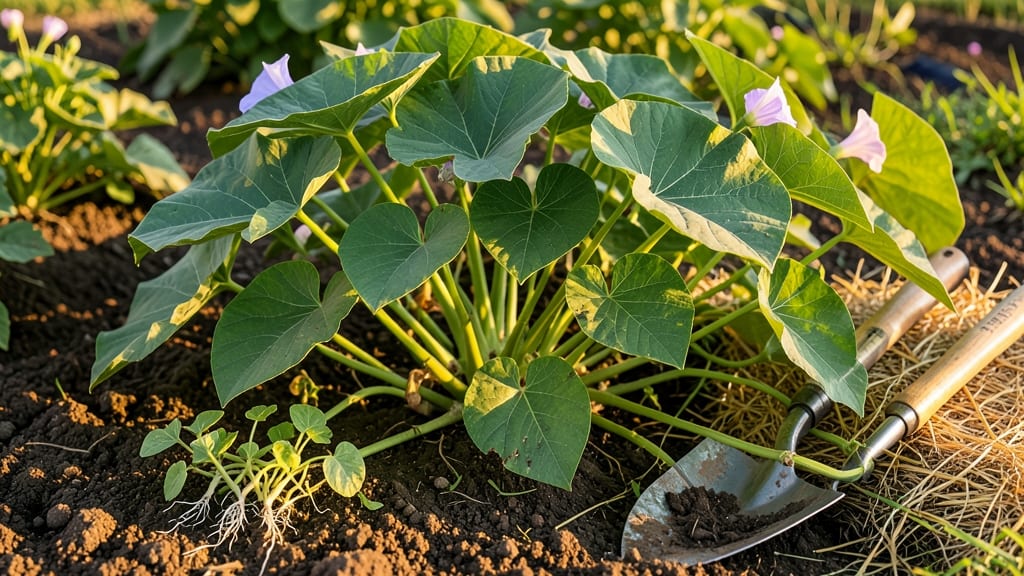
Planting sweet potatoes in Alabama isn’t just about the calendar—it’s about avoiding bitter, inedible "bolts" that ruin your harvest. The ideal window for Alabama gardeners is April through June, but timing varies by microclimate, from high-altitude chill in the Appalachians to coastal warmth.
Why does this matter? Because sweet potatoes 🍠 are finicky—they bolt (flower prematurely) when stressed by cold soil or early planting. In USDA Zones 7a-8b, waiting until soil hits 65°F (after last frost) is non-negotiable for zero-bolt success.
I’ll break down the exact deadlines for North, Central, and South Alabama, plus slip vs. seed prep. You’ll learn how to read your soil’s temperature cues and adjust for local pests like wireworms.
Skip the guesswork: Master these 3 key timing rules, and you’ll harvest sweet, starchy roots from September to November—no bitter surprises included.
Alabama’s sweet potato planting zones: heat zones vs. frost dates
Alabama’s USDA Hardiness Zones 7b-8a create a perfect sweet potato paradise—but timing is everything. Unlike cool-season crops, sweet potatoes hate cold soil, and planting too early triggers bolting (bitter, inedible tubers).
The key is soil temperature, not just air temperature. In most of Alabama, wait until the soil hits 60°F (15°C) at a 4-inch depth before planting slips.
Northern Alabama (e.g., Huntsville, Decatur) has later last-frost dates (around April 15) and cooler soils, while coastal areas like Mobile and Pensacola can plant as early as March 15.
High-altitude areas like the Appalachian foothills (e.g., Gadsden, Scottsboro) may need to wait until May due to lingering cold snaps.
Here’s the critical rule: Never plant sweet potatoes before your county’s average last frost date. Check your local heat zone—Alabama’s Gulf Coast (Zone 8a) can start 4-6 weeks earlier than North Alabama (Zone 7b). Use the comparison table below to pinpoint your ideal window.
🌱
| Alabama Region | USDA Zone | Last Frost Date | Ideal Planting Window | Soil Temp Threshold |
|---|---|---|---|---|
| North Alabama (Huntsville, Birmingham, Decatur) | 7b | April 15 | Late April–Early May | 60°F (15°C) |
| Central Alabama (Montgomery, Auburn) | 7b-8a | March 30–April 10 | Mid-April–Early May | 60°F (15°C) |
| South Alabama (Mobile, Dothan, Gulf Shores) | 8a | March 15 | March 15–April 15 | 60°F (15°C) |
| Appalachian Foothills (Gadsden, Scottsboro) | 7a-7b | April 30 | Late May–Early June | 65°F (18°C) |
Pro tip: Use a soil thermometer to confirm your soil’s ready. If it’s below 60°F, wait—cold soil = bolting risk.
In Zone 8a (coastal Alabama), you can even plant a second crop in July for a fall harvest, but use shorter-day varieties like ‘Beauregard’ to avoid bolting.
Another critical factor is humidity. Alabama’s sticky summers can stress sweet potatoes, so mulch heavily with straw to retain moisture and prevent soil temperature swings. In dry years, irrigation is a must—drought stress = smaller tubers.
💧
For container growing (common in urban Alabama gardens), use black plastic pots to absorb heat and plant slips when daytime temps stay above 70°F (21°C). Containers dry out faster, so water deeply every 2-3 days during peak summer heat.
Finally, avoid planting near potatoes or other nightshades—they share diseases. Rotate crops or plant sweet potatoes in fresh soil amended with compost and sand for loose, well-draining conditions. Alabama’s clay-heavy soils (common in the Black Belt) need extra sand or pine bark fines to prevent waterlogged roots.
✂️
Step-by-step planting timeline: from slips to harvest in Alabama’s microclimates
Alabama’s three distinct regions—North, Central, and South—demand different planting deadlines for sweet potatoes. In North Alabama (e.g., Huntsville, Decatur), wait until late April to early May when soil hits 65°F.
Central Alabama (Birmingham, Montgomery) gardeners can plant mid-April, while South Alabama (Mobile, Dothan) can start as early as March 15–April 15.
Why the difference? Coastal areas warm faster, while Appalachian foothills lag behind. Use a soil thermometer—planting too soon in cold soil triggers bolting. For slips (young plants), prepare them 2–3 weeks ahead by rooting cuttings in water or moist perlite.
March 15–April 15
South Alabama (Mobile, Dothan): Plant slips after last frost when soil reaches 65°F. Use black plastic mulch to warm soil faster.
Mid-April
Central Alabama (Birmingham, Montgomery): Ideal window for slips. Amend soil with compost and sand for drainage.
Late April–Early May
North Alabama (Huntsville, Decatur): Wait for consistent 65°F+ soil. Use row covers to protect from late frosts.
June (Backup)
Late plantings possible but yield smaller tubers. Prioritize disease-resistant varieties like ‘Beauregard’ or ‘Covington.’
After planting, maintain 12–18 inches between slips in rows spaced 3–4 feet apart. Mulch with straw to retain moisture and suppress weeds—critical in Alabama’s humid summers. Water deeply 2–3 times per week until vines sprawl, then reduce to once weekly to harden skins.
Harvest begins in September for early varieties, peaking in October–November. Look for yellowing vines and firm tubers. Cure harvested sweet potatoes at 80–85°F and 80% humidity for 10 days to sweeten storage roots.
Pro tip: In high-humidity Alabama, watch for scab disease (lumpy skins). Rotate crops annually and avoid overhead watering to prevent fungal outbreaks.