
Plants
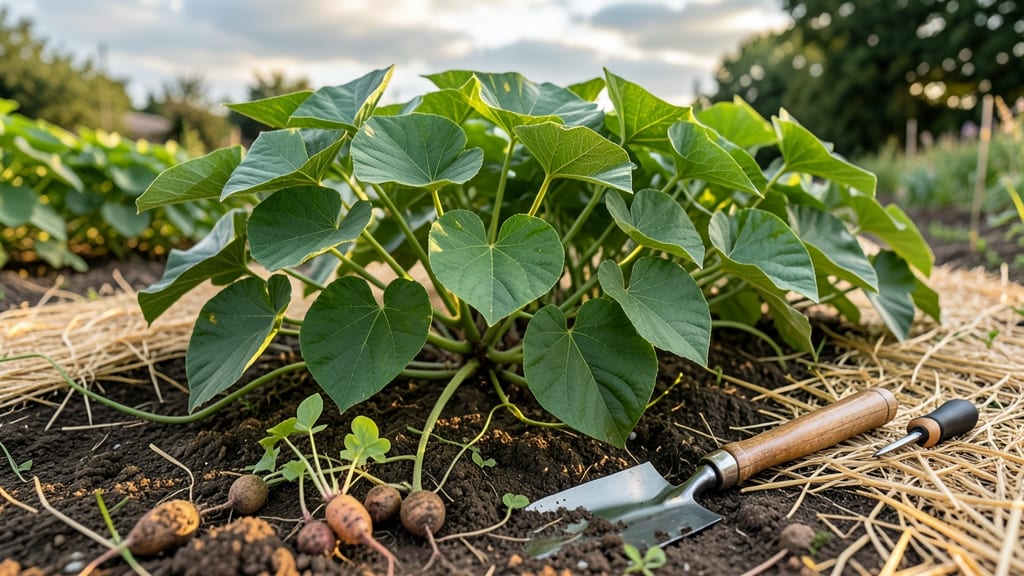
If you're asking "when do you plant sweet potatoes in NC", timing is the secret to avoiding frost-damaged vines and maximizing your harvest.
Unlike cool-season crops, these heat-loving tubers (🍠) need warm soil—at least 65°F—to germinate properly, which means waiting until after the last frost date in your zone.
In North Carolina's 7a-8b climate, that typically means holding off until mid-April to mid-June, when daytime temperatures consistently stay above 70°F. Planting too early risks stunted growth or even total crop failure, while waiting too long can lead to smaller yields before harvest season arrives in September.
Whether you're starting with slips or seeds, understanding your local microclimate matters—coastal areas warm up faster than the Piedmont, so adjust accordingly. I'll walk you through exactly how to time your planting for zero-frost success, plus soil prep tips that make all the difference in NC's humid summers.
Ready to grow sweet potatoes that thrive? Let's dive into the heat-loving timing that turns good harvests into great ones—without the guesswork.
Best planting months for sweet potatoes in North Carolina’s climate zones
North Carolina’s USDA Zones 7a-8b offer ideal conditions for growing sweet potatoes, but timing is critical. These heat-loving plants need warm soil (65°F+) and frost-free days to thrive.
Planting too early risks frost damage, while waiting too long shortens the growing season. Let’s break down the best windows for each region.
In most of North Carolina, the ideal planting window spans from mid-April to mid-June. However, coastal areas like Wilmington (Zone 8a) can start slightly earlier, while higher elevations in the mountains (Zone 7a) should wait until late May.
Always check your last frost date—typically late March—but prioritize soil temperature over calendar dates.
Sweet potatoes are warm-season crops, meaning they won’t germinate in cool soil. Use a soil thermometer to confirm temperatures are above 65°F before planting.
In NC, this usually aligns with late April to early May for most regions, but coastal areas may hit this mark as early as mid-April.
For gardeners in Zone 7a (mountains), aim for late May to early June to avoid early-season frosts. In Zone 8b (coastal plains), you can push planting to mid-June for late varieties, but harvest timing will be tighter.
The key is balancing warm soil with enough time for tubers to mature before the first frost (usually mid-November).
Here’s a quick reference for North Carolina’s three main climate zones and their optimal planting windows:
| Zone | Ideal Planting Window | Soil Temp Requirement | Key Consideration |
|---|---|---|---|
| 7a (Mountains) | Late May – Early June | 65°F+ (late May) | Short growing season; choose early varieties |
| 7b-8a (Piedmont) | Mid-April – Mid-May | 65°F+ (early May) | Balanced season; versatile for most varieties |
| 8b (Coastal) | Mid-April – Mid-June | 65°F+ (mid-April) | Longer season; can plant late varieties |
If you’re unsure about your zone, use the NC State Climate Office’s frost maps or check with your local Cooperative Extension Service. They provide hyper-local advice tailored to your county.
For example, Raleigh (Zone 7b) typically plants in late April to early May, while Asheville (Zone 7a) waits until late May.
For gardeners in Zone 8b (coastal NC), you can experiment with two plantings: one in mid-April for early varieties and another in early June for late-season harvests. This strategy extends your harvest window from September to November, giving you fresh sweet potatoes well into fall.
Remember, sweet potatoes need 90-110 days to mature, so plan accordingly. If you plant in June, your harvest will likely coincide with the first frosts. In this case, opt for faster-maturing varieties like ‘Georgia Jet’ (90 days) or ‘Beauregard’ (100 days) to ensure success.
Pro tip: Use black plastic mulch to warm the soil faster and suppress weeds. This is especially helpful in Zone 7a, where cooler nights can delay planting. Lay the mulch down 2-3 weeks before planting to give the soil a head start.
Finally, always start with healthy slips or certified seeds. Poor-quality planting material leads to weak vines and small tubers, no matter how perfect your timing. Source slips from reputable NC nurseries or start your own from seeds indoors 8-10 weeks before your target planting date.
How to time sweet potato planting for maximum yield in NC’s heat
Timing your sweet potato planting isn’t just about avoiding frost—it’s about syncing with NC’s heat waves and soil warmth. The key is waiting until the ground reaches 65°F+, which in most of North Carolina happens between mid-April and mid-June.
Coastal areas like Wilmington can plant earlier (late March), while mountain regions like Asheville should wait until late May or June.
Use a soil thermometer to confirm warmth before planting. I’ve found that even if air temperatures feel warm, cool soil can delay germination for weeks. Pro tip: Black plastic mulch warms soil 5-10°F faster than bare ground, giving you a 2-week head start in cooler zones.
For maximum yield, aim to plant 4-6 weeks before your first expected frost (typically mid-November in NC). This gives your sweet potatoes 90-110 days of warm growing conditions—just enough time to bulk up those tubers.
Varieties like 'Beauregard' mature in 90 days, while 'Georgia Jet' takes 100-110 days.
Here’s how to adjust for NC’s microclimates: Plant 'early varieties' in the Piedmont (April-May) and 'late varieties' in the mountains (June). Coastal gardeners can even squeeze in a second planting in late June for a fall harvest.
Plant only when soil hits 65°F+—use a thermometer to check!
Coastal NC: Late March | Mountains: Late May-June
Fast growers (90 days) for early planting; slow growers (110 days) for late starts
Speeds up soil warming by 5-10°F—ideal for cooler zones
Ensures 90-110 days of growth for full-sized tubers
Don’t overlook spacing—sweet potatoes need 12-18 inches apart in rows spaced 3-4 feet apart. Crowding stresses plants and reduces yield. I’ve seen gardens double their harvest by giving roots room to spread. And remember: shallow planting (just cover slips with 1-2 inches of soil) encourages faster germination.
Once planted, focus on consistent moisture—deep watering 1-2 inches per week—and watch for yellowing vines in late summer. That’s your cue to harvest before the first frost hits! With the right timing, you’ll pull out glossy, sweet tubers ready for storage or cooking.