
Plants
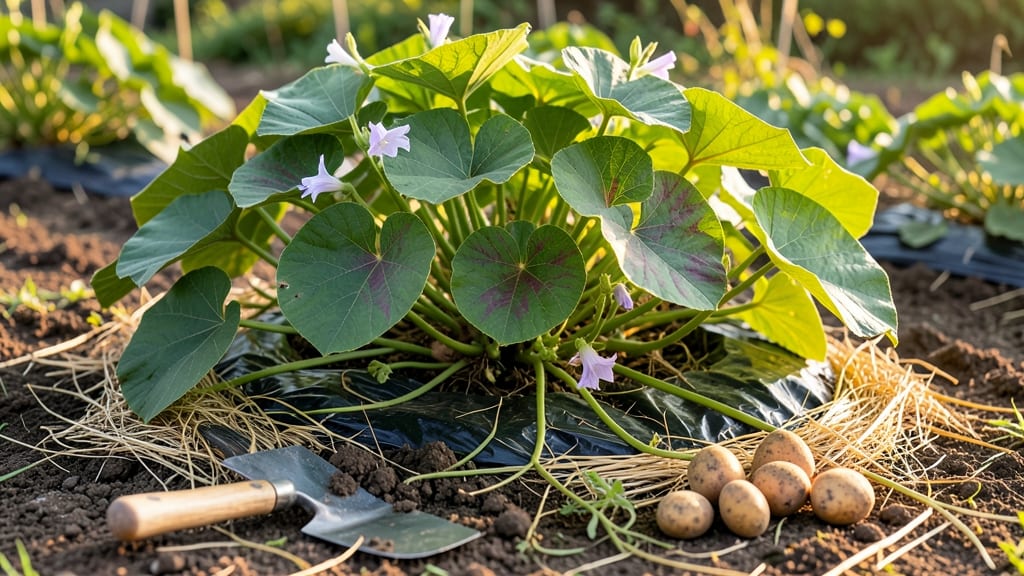
Planting sweet potatoes in North Carolina at the wrong time could mean watching your crop vanish overnight—thanks to a late spring frost. The key to success isn’t just avoiding cold snaps; it’s matching your planting schedule to the state’s unique heat zones 7a-8b for a foolproof harvest.
Most gardeners in North Carolina plant their 🍠 slips between late May and early July, but timing varies dramatically from the coastal plains to the Piedmont mountains.
In Zone 7a, where frosts linger longer, you’ll want to wait until after May 15—while Zone 8b gardeners can start as early as April in sheltered microclimates.
Here’s the game-changer: soil temperature matters more than calendar dates. Sweet potatoes need soil that’s consistently above 65°F to thrive, which typically aligns with late spring in most of NC—but not always.
I’ll show you how to check soil temps and adjust your schedule for your exact location, whether you’re in Wilmington or Asheville.
Ready to grow sweet potatoes that outperform store-bought? Let’s dive into the exact planting windows, regional tweaks, and pro tips to turn your NC garden into a tuber treasure trove.
North Carolina heat zones: the perfect timing for sweet potato planting
North Carolina’s USDA hardiness zones 7a-8b create ideal conditions for sweet potatoes, but timing is everything. These heat-loving tubers need consistent warmth—planting too early risks frost damage, while late planting shortens the growing season.
The key is matching your local frost-free date to the 120-day harvest window sweet potatoes need.
Coastal areas like Wilmington (Zone 8a) enjoy earlier planting (early May), while mountain regions like Asheville (Zone 7a) must wait until mid-to-late May. Piedmont zones (7b) fall in between, with late April to early May being ideal.
Always verify your last frost date—NC’s ranges from March 15 (coastal) to April 15 (mountains).
Sweet potatoes thrive when soil temperatures reach 65°F+. Use a soil thermometer to confirm—planting in cooler soil delays growth and increases disease risk. In cooler zones, consider black plastic mulch to warm the soil faster and extend the season.
Here’s how NC’s zones break down for sweet potato success:
| Zone | Region | Ideal Planting Window | Last Frost Date | Key Tip |
|---|---|---|---|---|
| 8a-8b | Coastal Plain | Early May – Early June | March 15 | Plant slips by May 1 for harvest by Nov 1. |
| 7b | Piedmont | Late April – Mid-May | April 1 | Use black plastic mulch to warm soil faster. |
| 7a | Mountains | Mid-May – Early June | April 15 | Extend season with row covers if needed. |
Sweet potatoes grown from slips (young plants) outperform seeds in NC’s climate. Buy certified slips from nurseries in April-May—they’ll be ready to plant once soil warms. For seeds, start indoors 8-10 weeks before your last frost date, but slips are far more reliable for NC’s short growing season.
Never plant sweet potatoes before your local frost-free date, even if soil feels warm. A single late frost can kill young plants, and sweet potatoes won’t recover. Check the NC State Climate Office for your county’s specific frost data—it varies even within regions.
In Zone 8a (coastal), you can even try a fall planting (August-September) for a second harvest. Use fast-maturing varieties like ‘Beauregard’ or ‘Georgia Jet’ to ensure tubers mature before the first frost in November. Just be prepared for smaller yields.
Pro tip: Plant sweet potatoes in raised beds if your soil drains poorly. They hate soggy roots but thrive in loose, sandy loam. Add compost or aged manure at planting to boost nutrient-rich tubers.
Timing isn’t just about dates—it’s about soil warmth, frost risk, and harvest windows. Master these, and you’ll enjoy sweet potatoes from October through December, long after most gardens have gone dormant. 🍠
North Carolina heat zones: the perfect timing for sweet potato planting
North Carolina’s USDA hardiness zones 7a-8b create dramatic differences in sweet potato planting success. In Zone 7a (western mountains), gardeners must wait until mid-May when soil warms above 65°F, while Zone 8b (coastal areas) can start as early as late April in sheltered spots.
The key is aligning your schedule with your local last frost date, which varies from March 15 in the mountains to April 15 along the coast.
Sweet potatoes are frost-sensitive—even a light freeze will kill young plants. That’s why I recommend using a soil thermometer to confirm readiness.
Most NC regions reach ideal planting temperatures by late May to early June, but microclimates near bodies of water or urban heat islands can be 1-2 weeks earlier. Always plant slips (not seeds) after your area’s frost-free date to ensure survival.
Here’s how NC’s three main regions differ in timing:
For Zone 7a gardeners in the mountains, consider using black plastic mulch to warm soil faster and extend your planting window by 2-3 weeks. In Zone 8b coastal areas, you can even get a second harvest by planting slips in late July for a fall crop.
The secret is monitoring your local NC State Climate Office forecasts for unexpected cold snaps.
Remember: sweet potatoes need 90-120 days to mature. Planting too late in Zone 7a risks tubers not reaching full size before frost. Use this simple formula: subtract your first frost date from 120 days to find your last possible planting date.
For example, if your first frost is November 1, your final planting window closes around July 1.
Pro tip: Coastal gardeners can push earlier plantings by choosing shorter-season varieties like 'Beauregard' (90 days) or 'Georgia Jet' (95 days), while mountain growers should opt for 'Centennial' (110 days) for maximum yield. Always check seed packet recommendations against your local climate data.