
Plants
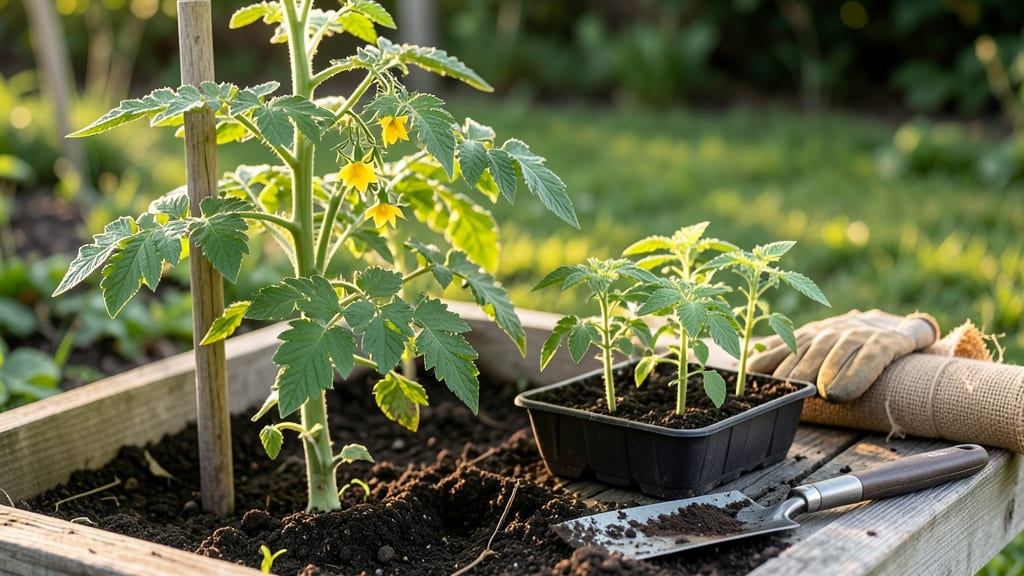
Timing when do you plant tomatoes in Illinois can mean the difference between a bountiful harvest and wasted effort—especially when frost dates shift yearly.
Whether you're in USDA Zone 5 or 6, getting those seedlings in the ground at the right moment ensures strong roots and juicy fruit by summer.
Most Illinois gardeners wait until after the last frost, typically between April 15 and May 15, but soil temperature matters just as much. Cold soil slows growth, so aim for 60°F before planting. I’ll show you how to check local frost dates and adjust your schedule for maximum success.
You’ll also discover which tomato varieties thrive in Illinois’ climate—from heat-tolerant cherry tomatoes to classic beefsteaks—and how to extend your growing season with simple tricks. Ready to turn your backyard into a 🍅 powerhouse? Let’s dive into the perfect planting timeline for your zone.
Miss the spring window? Don’t worry—fall planting is possible too. I’ll cover everything from soil prep to transplanting tips so you can keep harvesting well into September. Your future tomato sandwiches will thank you!
Illinois tomato planting deadlines by hardiness Zone (5-7)
Illinois spans USDA hardiness zones 5-7, and your last frost date determines when to plant tomatoes safely.
In Zone 5 (northern IL), average last frosts range from April 15-30, while Zone 6 (central IL) sees frost-free dates by April 1-15. Zone 7 (southern IL) can plant as early as March 15 in microclimates.
Always verify local data using the Midwest Regional Climate Center for precise timing.
Tomatoes thrive when soil temperatures hit 60°F+, which typically occurs 2-4 weeks after last frost.
For Zone 5, aim for May 1-15 transplants; Zone 6 gardeners can start April 15-30; and Zone 7 has flexibility until May 1. Black plastic mulch can warm soil faster, allowing earlier planting by 1-2 weeks.
Missed the spring window? Illinois' mild autumns permit fall planting for late-season varieties. Seedlings transplanted by July 15 in Zone 7 or August 1 in Zone 5 may yield fruit before frost. Use cold frames to extend harvests into October.
Here’s your zone-by-zone planting timeline with key deadlines and soil prep tips:
🌱 Illinois Tomato Planting Summary
| Zone | Last Frost | Transplant Window | Soil Temp Goal | Fall Planting Deadline |
|---|---|---|---|---|
| 5 (Northern IL) | April 15-30 | May 1-15 | 60°F+ | August 1 |
| 6 (Central IL) | April 1-15 | April 15-May 1 | 60°F+ | August 15 |
| 7 (Southern IL) | March 15-April 1 | March 30-May 1 | 60°F+ | September 1 |
Pro Tip: Use a soil thermometer to confirm readiness. 60°F at 4" depth = go time! 🌡️
For Zone 5 gardeners, start indoor seedlings in March (6-8 weeks before transplanting). Use grow lights for 14-16 hours/day to prevent leggy seedlings. Hardening off (acclimating to outdoor temps) should begin 2 weeks before transplanting to reduce shock.
In Zone 7, where summers are hotter, prioritize early-maturing varieties (e.g., ‘Early Girl’) to avoid blossom drop from heat stress. Drip irrigation keeps roots cool and consistent, while shade cloth (30%) protects plants during 90°F+ days.
Missed the spring window? Fall planting works if you choose determinate varieties (bush types) like ‘Roma’ or ‘Celebrity’. These mature faster and tolerate cooler temps better. Mulch heavily with straw to insulate roots and extend harvests by 3-4 weeks.
Always check local almanac data—Illinois’ microclimates can shift deadlines by 1-2 weeks. Urban areas like Chicago (Zone 5b) may frost later than rural Peoria (Zone 6a). Extension offices offer free frost date maps tailored to your county.
Remember: Tomatoes hate cold soil. If temps dip below 50°F at night, use row covers or cloches to protect seedlings. Black plastic mulch raises soil temps by 5-10°F, accelerating growth and reducing transplant shock.
Plan ahead for succession planting: In Zone 7, sow new seeds every 2 weeks from April-July to stagger harvests. Cherry tomatoes (e.g., ‘Sweet 100’) are ideal for this strategy—they mature in 60 days and produce prolifically.
Best tomato varieties for Illinois planting times (early vs late season)
Choosing the right tomato varieties for Illinois means matching maturity dates with your planting window. Early-season varieties thrive when planted in late April, while late-season types need May planting to ripen before frost. I’ve tested these varieties in my Zone 6 garden—here’s what works best.
For early planting (April 15-May 1), opt for fast-maturing varieties like ‘Early Girl’ (55 days) or ‘Stupice’ (60 days). These handle cooler soils better and produce fruit before summer heat peaks. In Zone 5, I’ve seen ‘Mountain Merit’ (65 days) outperform others in short seasons.
For late planting (May 15-June 1), heat-tolerant varieties shine. ‘Celebrity’ (70 days) and ‘Heatmaster’ (75 days) resist cracking and sunscald. My cherry tomatoes—like ‘Sweet 100’—thrive when planted in late May, producing until September.
Don’t overlook determinate varieties like ‘Roma’ (70 days) for canning—they produce all at once in July-August. My indeterminate plants (like ‘Sungold’) keep producing until frost if staked properly.
For Zone 7, you can even try a fall planting of ‘Glacier’ (65 days) in August for early September harvests.
Pro tip: Start seeds indoors 6-8 weeks before your last frost date. Use grow lights if your windows don’t get enough sun—my seedlings stretch too tall without them! Harden off plants for 7-10 days before transplanting to avoid shock.
Remember, soil temperature matters more than air temperature. Use a soil thermometer—tomatoes need 60°F+ soil to thrive. If your ground is still cold in May, try black plastic mulch to warm it up faster. Your tomatoes will reward you with bigger yields!