
Plants
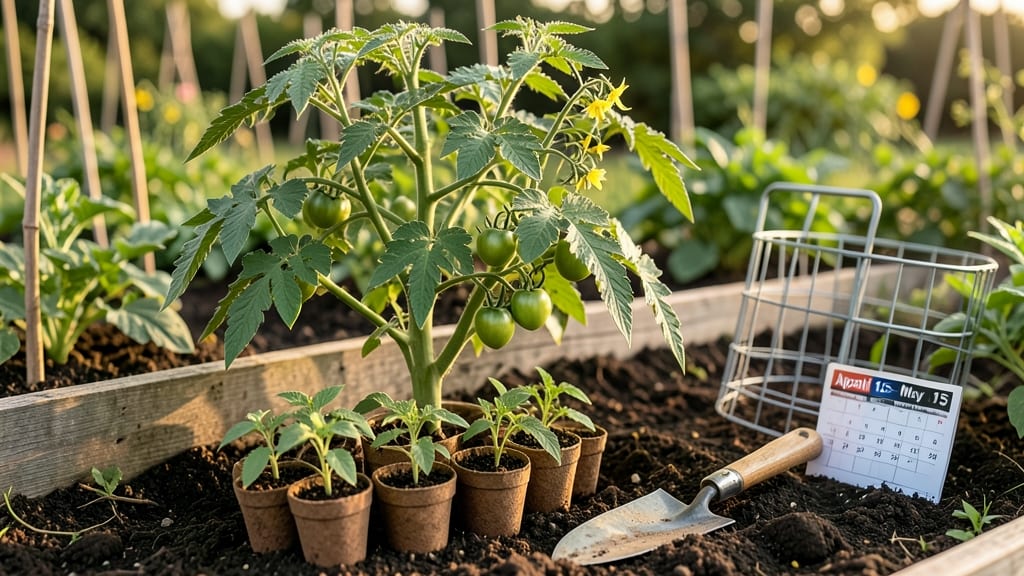
If you’ve ever wondered when should you plant tomatoes in Iowa, timing isn’t just about dates—it’s about avoiding frost-killed seedlings and maximizing your harvest before the first chill.
Iowa’s 5a-6b zones mean your window is tight, but with the right strategy, you can stretch your growing season from early spring to late fall.
Most gardeners start 🍅 indoors by mid-March to get a head start, but outdoor planting begins only after the last frost—typically between April 15 and June 1, depending on your microclimate. Urban areas may warm faster than rural spots, so knowing your local trends is key.
This guide breaks down the exact frost-free deadlines for your zone, plus how to pick varieties that thrive in Iowa’s heat and humidity. Whether you’re a first-timer or a seasoned grower, these tips will help you avoid common mistakes and extend your harvest until October 15.
Ready to turn your backyard into a tomato powerhouse? Let’s dive into the game-changer strategies that work for Iowa gardeners—no guesswork, just results.
Iowa’s frost-free deadlines by planting Zone (2024 guide)
Iowa’s USDA Hardiness Zones 5a-6b create a unique challenge for tomato growers—cool springs and short growing seasons demand precise timing.
The average last frost date ranges from April 15 in northern Iowa (Zone 5a) to May 1 in southern regions (Zone 6b), but microclimates can shift these dates by 1-2 weeks.
Urban areas often warm faster than rural spots due to concrete heat absorption, while low-lying fields may stay colder longer.
For direct-sown tomatoes, wait until soil temperatures hit 60°F (15°C)—a critical threshold for seed germination. Use a soil thermometer to verify, as Iowa’s clay-heavy soils retain cold longer than sandy mixes. Planting too early risks rotten seeds or stunted seedlings, while waiting too long cuts your harvest window.
Iowa’s first frost typically arrives between October 10-20, giving you about 165 frost-free days. This means early-maturing varieties (60-70 days to harvest) are your best bet in northern zones, while indeterminate types (80+ days) thrive in southern Iowa with proper care.
Always check local almanac records—some years, like 2020, saw late May frosts that caught gardeners off guard.
Here’s your 2024 Iowa planting timeline broken down by zone, including adjustments for urban/rural differences and fall planting windows:
| Zone | Avg Last Frost | Safe Planting Window | Fall Planting (Late Varieties) | Microclimate Adjustment |
|---|---|---|---|---|
| 5a (Northwest IA) | April 22 ± 5 days | May 10–15 (after soil 60°F) | None (too short season) | Urban: 1 week earlier; Rural: 1 week later |
| 5b (Central IA) | April 15 ± 5 days | April 30–May 5 | July 15 (70-day varieties) | South-facing walls: 7 days earlier |
| 6a (Southwest IA) | April 5 ± 5 days | April 20–25 | July 1–15 (80-day varieties) | Low areas: 5 days later; Hills: 5 days earlier |
| 6b (Southeast IA) | March 30 ± 5 days | April 10–15 | June 20–July 1 (90-day varieties) | Paved areas: 10 days earlier; Wetlands: 10 days later |
🌱 Pro Tip: Use black plastic mulch to warm soil by 5–10°F, letting you plant 2 weeks earlier.
For indoor starts, begin seeds 6–8 weeks before your last frost date. In Zone 5a, that means March 1–15, while Zone 6b gardeners can start as early as February 15.
Use grow lights for 14–16 hours/day to prevent leggy seedlings. Harden off transplants for 7–10 days before moving them outdoors—this gradual acclimation to wind and sun reduces transplant shock.
Iowa’s fall planting window is limited but viable in southern zones. Choose fast-maturing varieties like ‘Early Girl’ (60 days) or ‘Stupice’ (50 days), and plant by July 15 in Zone 6b.
Use row covers to extend the season until first frost. In northern Iowa, focus on container growing—pots can be moved indoors before frost.
Watch for unpredictable late frosts, especially in valleys and low-lying areas. Sign up for local weather alerts from sources like the Iowa Environmental Mesonet.
If frost threatens after planting, cover seedlings with frost blankets or old bedsheets secured with bricks. Remove covers by 10 AM to prevent overheating.
Remember: Soil temperature matters more than air temperature. A 60°F soil with 70°F air is ideal for planting, even if the air feels cooler. Test with a soil thermometer at 4-inch depth—this is the zone where roots will grow.
In clay soils, add compost or sand to improve drainage and warmth.
For container growing, plant 2–3 weeks later than in-ground tomatoes—containers cool faster at night. Use 5-gallon pots minimum and place them on c
Best tomato varieties for Iowa’s climate and soil conditions
Iowa’s humid summers and heavy clay soils demand tomato varieties that thrive under pressure. Disease-resistant heirloom and hybrid types perform best, while early-maturing varieties maximize harvests before fall frosts. Let’s explore the top picks for your garden, balancing flavor, yield, and resilience.
For short-season areas (northern Iowa), prioritize determinate varieties like 'Stupice' or 'Mountain Merit'—they produce compact plants with heavy fruit sets in 60-70 days. These are perfect for container growing or small spaces, delivering consistent yields without sprawling vines.
If you’re in southern Iowa’s longer growing zones, indeterminate varieties like 'Brandywine' or 'Cherokee Purple' shine. Their vining growth and late-season production reward patient gardeners with heirloom-quality tomatoes well into October. Just be ready to stake or cage these giants!
🌱 Disease resistance is non-negotiable in Iowa. Look for varieties labeled VFN (Verticillium, Fusarium, Nematode-resistant) or T (Tobacco Mosaic Virus-resistant). 'Defiant PhR' and 'Celebrity' are top performers for blight-prone regions, while 'Solar Fire' offers early ripening + disease resistance in one package.
🍅 Tomato Variety Showdown: Iowa Edition
- ✅ Pros: Compact, high yield, great for sauces
- ✅ Best for: Containers, small gardens, early harvests
- ❌ Cons: Shorter harvest window, needs staking
- ✅ Pros: Long harvest, heirloom flavors, continuous growth
- ✅ Best for: Trellises, large gardens, late-season harvests
- ❌ Cons: Needs support, more space, pruning required
- ✅ Pros: Harvest before frost, ideal for short seasons
- ✅ Examples: 'Early Girl', 'Patio Princess'
- ❌ Cons: Smaller fruit, less flavor depth
- ✅ Pros: Thrives in Iowa’s humidity, fewer sprays
- ✅ Examples: 'Defiant PhR', 'Mountain Merit'
- ❌ Cons: May sacrifice some flavor
Don’t overlook cherry tomatoes like 'Sweet Million' or 'Tiny Tim'—they’re disease-resistant, high-yielding, and perfect for snacking straight from the vine. Their small size also means faster ripening, even in cooler years. For sauce lovers, 'Roma' or 'San Marzano' deliver meaty, low-water-content fruit ideal for canning.
🌿 Soil prep matters just as much as variety choice. Iowa’s clay-heavy soils drain poorly, so amend with compost or aged manure before planting. Raised beds or hill planting (mounding soil around stems) improves drainage and prevents blossom-end rot, a common Iowa issue caused by calcium deficiencies.
Pro tip: Pair your tomatoes with basil or marigolds to repel pests naturally. Basil improves flavor, while marigolds deter nematodes—both are Iowa-friendly companions that boost your garden’s resilience. Now that you’ve got the right varieties, let’s talk about extending your growing season in the next section!