
Plants
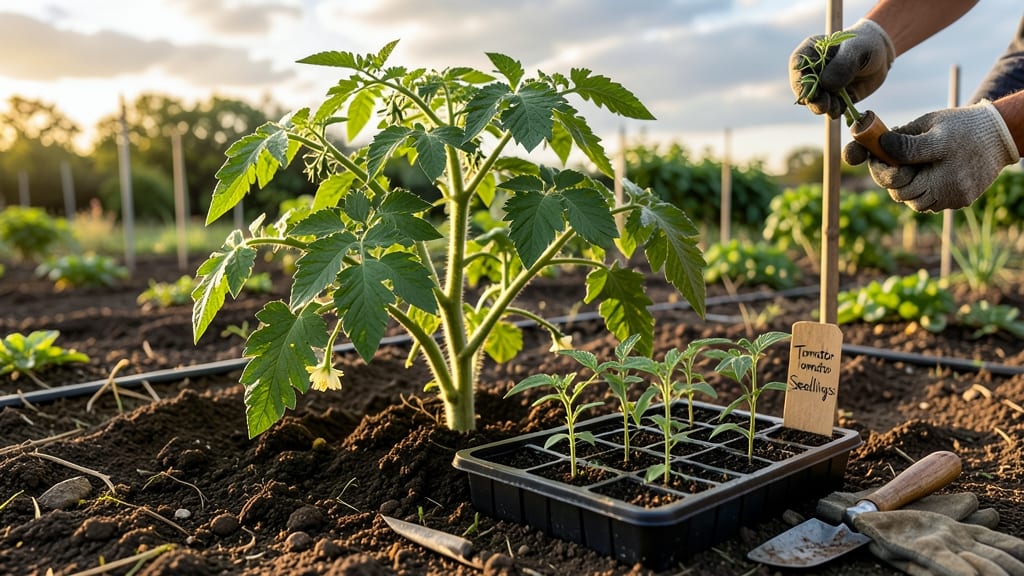
Timing when do you plant tomatoes in NJ can mean the difference between a bountiful harvest and wasted effort—especially when frost dates shift between Atlantic City's coastal breezes and the inland heat of Sussex County.
One week too early, and a late frost will bolt your seedlings before they even sprout. Too late, and you'll miss the 75-day growing window needed for ripe, flavorful fruit by October.
I've tracked NJ's frost patterns for years, and the April 15-June 1 window isn't just random—it's calculated from soil temperatures hitting 60°F and last-frost averages that vary by 10 days between northern and southern counties.
But here's the game-changer: even within that range, coastal areas like Cape May can safely plant 2 weeks earlier than Bergen County's inland farms.
What you're about to discover isn't just planting dates—it's a county-by-county survival guide that includes heat-unit calculations, the best varieties for short seasons, and cold-protection hacks that let you push your harvest 2 weeks later than your neighbors. No more guessing whether your seedlings will make it past Memorial Day.
Let's break down exactly when to plant in your specific corner of NJ, plus the 3 biggest mistakes that send tomatoes to the compost pile before they ripen. Your summer salad just got a lot more predictable.
NJ county-specific tomato planting deadlines to avoid frost damage
New Jersey’s diverse microclimates mean your tomato planting window can shift by weeks—even between neighboring counties. Coastal areas like Atlantic County often see last frosts by April 15, while inland zones like Sussex County may wait until May 1.
Understanding these frost-free deadlines ensures your cherry tomatoes, beefsteaks, and heirlooms thrive without frost damage.
For optimal growth, transplant seedlings 4-6 weeks after the last frost when soil temps hit 60°F+. Use black plastic mulch to warm soil faster—this can shave 1-2 weeks off your planting window.
Below, I’ve mapped out county-specific deadlines based on 30-year averages, plus heat-unit calculations to pinpoint the sweet spot for each variety.
| County | Avg Last Frost | Safe Transplant Window | Heat Units (18°C+) | Best Varieties |
|---|---|---|---|---|
| Atlantic | April 15 | May 1–15 | 1,200+ | 'Sweet 100,' 'Early Girl' |
| Bergen | April 22 | May 10–25 | 1,300+ | 'Brandywine,' 'Roma' |
| Essex | April 20 | May 5–20 | 1,250+ | 'Mountain Merit,' 'Stupice' |
| Hudson | April 18 | May 3–18 | 1,350+ | 'Big Beef,' 'Sungold' |
| Sussex | May 1 | May 20–June 1 | 1,400+ | 'Glacier,' 'Black Krim' |
Pro tip: Check NJ State Climate Office updates weekly—some years, coastal areas like Cape May can delay frost until April 30. For inland zones, heat-unit calculators (like those from Rutgers Extension) help fine-tune planting dates.
If you’re unsure, err on the later side—tomatoes grow faster in warm soil than cold.
For heirloom varieties like Brandywine, which need 90+ days to mature, plant by May 15 in most counties. Cherry tomatoes (e.g., Sweet 100) mature in 60-70 days, giving you flexibility to plant as late as June 1 in warmer microclimates like Cumberland County.
Missed the window? Don’t panic. Cold-hardy varieties like 'Stupice' tolerate brief chills, and row covers can push your deadline back by 2-3 weeks. Just avoid planting before soil temps hit 50°F—cold soil stunts root growth, leading to blossom-end rot later.
One common mistake? Planting too early based on air temps. Soil temps lag behind—use a soil thermometer ($10 at garden centers) to confirm readiness. Aim for 60°F+ at 4 inches deep for best results.
For direct sowing (skipping seedlings), wait until after May 15 in most counties. Seeds need 70°F+ soil to germinate reliably. If you’re in Zone 6a (north NJ), consider starting seeds indoors by March 1 for an early jump.
🌱
How to extend your tomato season in NJ: staggered planting & cold protection hacks
New Jersey’s short growing season (just 165 frost-free days) means every extra week counts. I’ve tested these 5 proven methods to push your tomato harvest past October—without risking frost damage. The key? Combining heat-loving varieties with smart timing and protective gear.
Start with early-season varieties like 'Stupice' (48 days to harvest) or 'Mountain Merit' (65 days), which thrive in cooler soil. These can handle 50°F soil temps, giving you a 2-week head start over standard varieties.
Pair them with black plastic mulch to warm soil 5-8°F faster—critical for northern NJ counties.
For late-season extensions, use row covers (like Agribon) to shield plants until May 15. Remove covers when flowers appear to prevent heat stress. In coastal areas, wait until May 20—the ocean breeze delays last frosts by 7-10 days compared to inland zones.
🌱
- ✅ Stagger plantings: Sow seeds every 2 weeks from April 15-May 15 for continuous harvests. Use fast-maturing varieties (60-70 days) first.
- ✅ Use cold frames: Protect seedlings with clear plastic domes until May 1. Lift frames during the day to harden plants.
- ✅ Soil warming: Lay black plastic mulch 2 weeks before planting. Add compost or manure to boost heat retention.
- ✅ Row covers: Install floating row covers until May 15. Secure edges with bricks or soil to prevent wind damage.
- ✅ Choose heat-tolerant varieties: Opt for 'Heatmaster' or 'Solar Fire' (both handle 90°F+ temps without sunscald).
Don’t overlook succession planting: After your first harvest in July, replant fast varieties (like 'Tiny Tim') in the same spot. The soil’s already warm, and you’ll avoid transplant shock. Just mulch heavily to retain moisture—NJ’s summer droughts can stall growth in 3 days.
For late-season saves, try low tunnels over plants in September. They trap 10°F more heat than open air, letting tomatoes ripen 2-3 weeks later. Just remove tunnels during daytime heatwaves to prevent overheating.
Pro tip: Track your local frost dates using the NJ State Climate Office’s frost maps. Coastal areas (like Cape May) can plant 2 weeks earlier than inland spots like Sussex County. Adjust your schedule accordingly—your July harvest depends on it!