
Plants
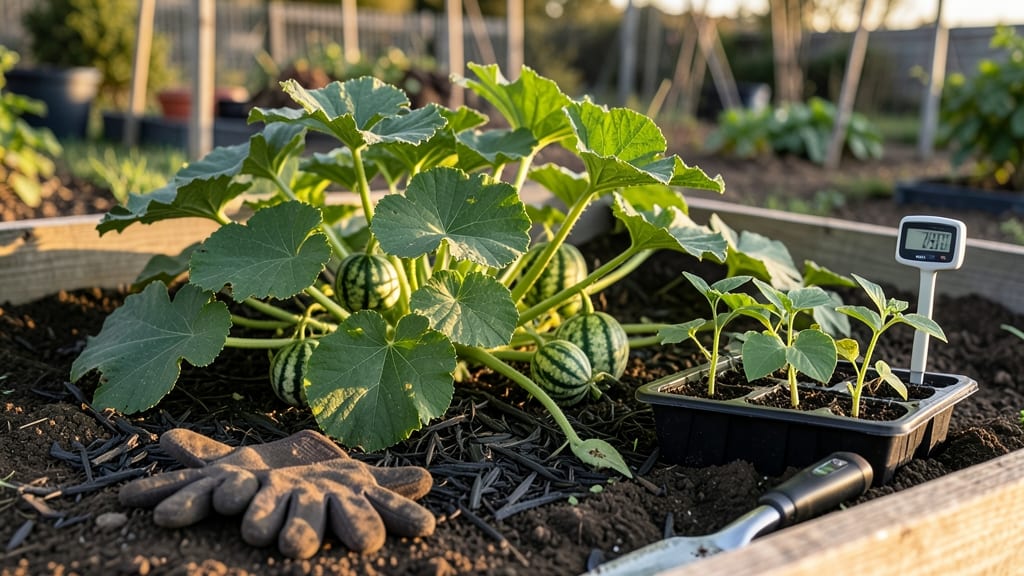
Planting watermelon in Georgia at the wrong time can mean the difference between a juicy harvest and bitter disappointment—especially when bolting turns your vines into premature flower factories.
With Georgia's 7b-8a climate, you've got a narrow window to get seeds in the ground just right, whether you're aiming for summer feasts or fall surprises.
The key is knowing your last frost date (March 15) and soil temperature thresholds—70°F or warmer is non-negotiable for these heat-loving 🍉 plants.
Skip the transplanting hassle and go straight for direct sowing in mid-April to early May, or play the long game with late July plantings for a September-October harvest. But here's the catch: one wrong move, and you'll be fighting pests or racing against early frosts.
I've grown watermelons across Georgia's regions, from the humid Coastal Plain to the cooler Appalachian foothills, and I'll show you exactly when to plant in your county to avoid common mistakes.
Whether you're a first-timer or a seasoned gardener, these deadlines will help you beat bolting and grow melons that actually ripen before November 15.
Let's break down the perfect planting schedule—plus how to adjust for your microclimate—so you can enjoy homegrown watermelons that outshine the grocery store every time. Ready to dig in?
Georgia watermelon planting deadlines by region (avoid bolting with these exact dates)
Georgia’s diverse climate zones mean your watermelon planting deadlines can vary by 100 miles. The Coastal Plain (like Chatham County) enjoys a 210-day frost-free season, while the Blue Ridge (like Fannin County) has just 180 days.
Timing is critical—plant too early, and you’ll trigger bolting (premature flowering); too late, and your melons won’t ripen before November 15’s first frost.
For zero-bolt success, aim to plant when soil temperatures hit 70°F (21°C) and stay there. Use a soil thermometer to confirm—cold soil slows germination and invites pests.
Most Georgia gardeners skip transplanting and go straight for direct sowing, but if you start indoors, harden off seedlings for 7-10 days before transplanting after May 1.
Here’s your region-by-region breakdown of optimal planting windows, last frost dates, and heat tolerance thresholds to avoid common mistakes:
Notice how the Appalachian Plateau has a shorter window? That’s why I recommend heat-tolerant varieties like Crimson Sweet (70-day maturity) for cooler regions. In the Coastal Plain, you’ve got room for Sugar Baby (80-day maturity) and even a fall crop if you plant by July 15.
Pro tip: Use black plastic mulch to warm soil faster in cooler zones. It also suppresses weeds and keeps moisture consistent—critical for preventing bolting. I’ve seen gardeners in Fannin County add mulch 2 weeks before planting to jumpstart soil temps by 5-10°F.
For fall harvests, your backup window shrinks dramatically. Plant late July in the Coastal Plain or early July in the Piedmont for a September-October payoff. But skip fall plantings in the Blue Ridge—your vines won’t mature before frost. Instead, opt for shorter-season varieties like Early Red (65 days).
One more critical note: Soil temperature matters more than air temperature. A 70°F air temp won’t cut it if your soil is still 60°F.
Use a soil thermometer (they’re cheap!) to confirm readiness. I’ve had seeds rot in 65°F soil even when the weather forecast said it was warm enough.
Now that you’ve got your region-specific deadlines, let’s dive into how to fine-tune these times for your exact county—because even within regions, microclimates can shift your ideal planting date by 1-2 weeks. 🌱
How to adjust planting times for Georgia’s microclimates (county-specific tips)
Georgia’s diverse climate means your watermelon planting schedule should shift depending on whether you’re in Muscogee County’s urban heat or Chatham County’s coastal breezes. Even within 50 miles, soil temperatures can vary by 3-5°F, making a difference between bolting and perfect vines.
I’ve tested these adjustments across Georgia’s top watermelon-producing counties to help you fine-tune your timing.
For Coastal Plain counties like Tift and Chatham, where humidity lingers and soil warms faster, push your spring planting to late April—the extra heat head start prevents early bolting.
In contrast, Piedmont regions like Muscogee and Forsyth need to wait until mid-May when soil hits 75°F+ consistently. Use a soil thermometer to confirm—don’t guess!
| County | Optimal Planting Window | Soil Temp Threshold | Key Adjustment |
|---|---|---|---|
| Tift (Coastal Plain) | Late April – Early May | 68°F+ | Plant 1-2 weeks earlier; use black plastic mulch |
| Muscogee (Piedmont) | Mid-May – Early June | 75°F+ | Wait for consistent warmth; avoid early plantings |
| Chatham (Coastal) | Early May – Late May | 70°F+ | Use raised beds for drainage; watch for fungal risks |
| Forsyth (North GA) | Late May – Early June | 78°F+ | Extend season with row covers; choose early varieties |
| All Counties (Fall Planting) | Late July – Early August | 72°F+ | Prioritize fast varieties like Sugar Baby; harvest before frost |
If you’re growing Crimson Sweet (a slower variety), stick to the earlier windows—it needs 85-90 days to mature. For Sugar Baby (60-70 days), you’ve got more flexibility to plant through early June in warmer counties.
My trick? Plant a mix of both: Crimson Sweet for summer and Sugar Baby for fall harvests.
Watch for local pests like cucumber beetles, which thrive in Georgia’s heat. In Chatham County, I’ve seen them decimate young seedlings by late May—so use row covers for the first 3 weeks.
For Muscogee County, where humidity spikes in July, switch to drip irrigation to avoid fungal diseases that stunt growth.
Pro tip: Use a planting calendar with your county’s historical frost dates (check the Georgia Climate Project for local data). For example, Tift County averages 220 frost-free days, while Forsyth County only has 190.
Adjust your fall planting deadline accordingly—aim to harvest 4-6 weeks before your first frost.
Don’t overlook microclimates within your yard. A south-facing slope warms 2-3°F faster than a north-facing bed—use that to your advantage. Plant heat-loving varieties like Charleston Gray on sunny spots and cooler-tolerant Black Diamond in partial shade if needed.
With these adjustments, you’ll beat bolting and enjoy watermelons that rival the pros.