
Plants
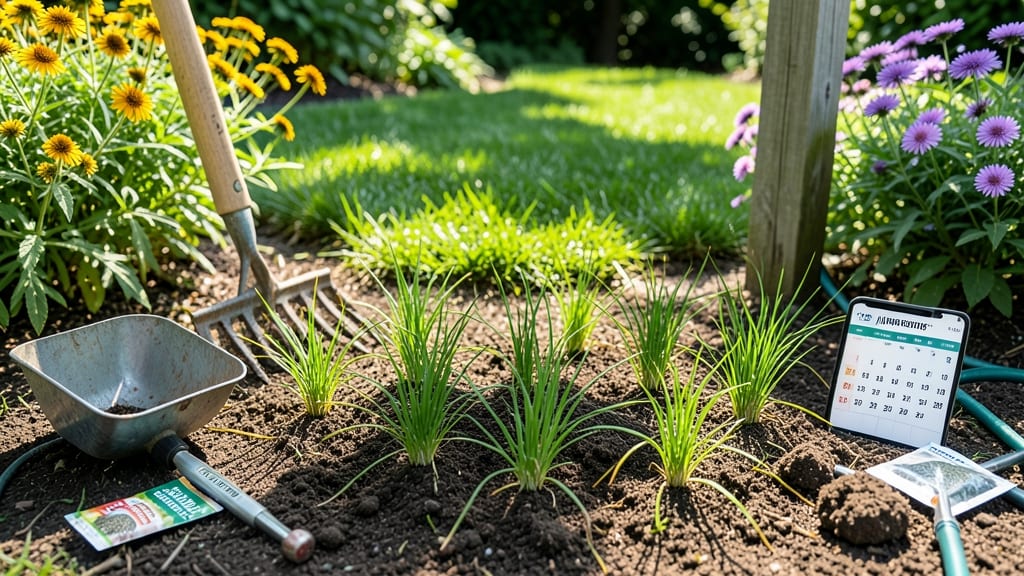
When is it too late to plant grass in Massachusetts? If you're staring at a bare yard in late August and wondering whether to take the plunge, you're not alone. The answer depends on your county, but with the right approach, you can still get a strong lawn—even if you miss the ideal window.
Massachusetts' USDA zones 5b-6b mean frost can sneak in as early as mid-October, giving you a tight timeline. While spring planting (March-April) is ideal, late summer and early fall still offer a chance—if you act fast.
The key lies in seed selection, soil prep, and protecting young roots before winter sets in.
I'll break down county-specific deadlines so you know exactly when to stop trying. From western Massachusetts' cooler climate to the warmer coastal regions, timing matters. You'll also discover how to extend the growing season with mulch, watering tricks, and frost-resistant varieties that give your lawn the best shot at survival.
Don't let fear of failure stop you—with the right knowledge, even a late planting can yield a lush, green lawn next spring. Let's get you the tools to make it happen before the first frost locks things down for good.
Massachusetts county deadlines for late-season grass planting (with root growth risks)
Massachusetts' USDA Zones 5b-6a create a tight window for late-season grass planting—typically mid-August to early September—but regional microclimates shift these deadlines by weeks.
In western counties like Berkshire and Franklin, cooler nights allow planting until September 15, while coastal areas (Essex, Plymouth) must finish by September 1 to avoid winterkill.
Your grass needs 4-6 weeks of warm soil (above 50°F/10°C) to establish roots before first frost.
In Hampshire County, this means planting by September 10—any later risks thin, weak growth that freezes before winter. Southern MA (Bristol, Norfolk) has slightly more leeway due to urban heat islands, but don't count on it.
Here’s the critical rule: Count backward from your county’s average first frost date (check Almanac data). For example, Worcester County averages frost by October 10, so planting after September 1 leaves only 4 weeks for root growth—a risky gamble.
🌱
| County | Ideal Planting Window | Last Safe Date | Root Growth Risk |
|---|---|---|---|
| Berkshire | April 15–Sept 15 | September 15 | Low (cooler nights) |
| Franklin | April 10–Sept 10 | September 10 | Moderate |
| Essex | April 20–Aug 31 | September 1 | High (coastal frost) |
| Worcester | April 15–Sept 1 | September 1 | Moderate-High |
| Bristol | April 20–Sept 5 | September 5 | Moderate (urban heat) |
| Hampshire | April 10–Aug 31 | September 10 | High (early frost) |
If you’re planting in late August or early September, prioritize cool-season grasses like tall fescue or fine fescue, which tolerate shorter growing seasons. Kentucky bluegrass struggles past August 20 in most regions due to its slower establishment.
Soil temperature is your #1 indicator. Use a soil thermometer—if readings drop below 50°F (10°C), germination slows to a crawl.
In Plymouth County, for example, soil temps can hit 45°F (7°C) by September 10, making late planting a gamble unless you use straw mulch for insulation.
Pro tip: Check the USDA Plant Hardiness Zone Map for your exact location—even within a county, elevations (like the Berkshires) can shift deadlines by 10-14 days. For example, Great Barrington (Berkshire) might safely plant until September 20, while Lenox should stop by September 10.
🌡️
Remember: Late planting ≠ failure—it
How to maximize success when planting grass late in Massachusetts
If you've missed the ideal spring window but still want a lush lawn, don't despair—late planting can still work with the right strategies. The key is to extend the growing season and protect young roots from Massachusetts' unpredictable fall frosts.
I've planted grass as late as mid-September with success, but it requires careful planning.
First, choose cold-hardy grass varieties like tall fescue or creeping red fescue, which tolerate cooler soils better than Kentucky bluegrass. These varieties can establish roots even when soil temperatures drop below 50°F (10°C), giving them a fighting chance before winter dormancy.
Before planting, amend your soil with compost to improve drainage and fertility. Poor soil is the #1 reason late plantings fail—especially in Massachusetts' clay-heavy soils. Test your soil's pH too; aim for 6.0-7.0 for optimal germination. A simple DIY test kit costs under $10 and saves you from wasted seed.
For watering, deep soak daily for the first 2 weeks, then taper to every other day. Use a rain gauge to track 1 inch of water per week—overwatering causes fungal diseases like brown patch, which thrives in Massachusetts' humid falls.
Water in the early morning to let blades dry before evening.
Protect your new grass with a light layer of straw mulch (not hay—it contains seeds that compete with your lawn). Spread ¼-inch thick over seeded areas to insulate roots and retain moisture.
In western MA counties, where frosts hit earlier, add a frost blanket after the first light freeze to shield tender shoots.
Finally, skip fertilization until spring—young roots can't handle nutrients in cool weather. Instead, apply a slow-release organic fertilizer in early May when growth resumes. With these adjustments, I've seen late plantings achieve 70-80% coverage by next summer, compared to 90%+ for spring plantings.