
Plants
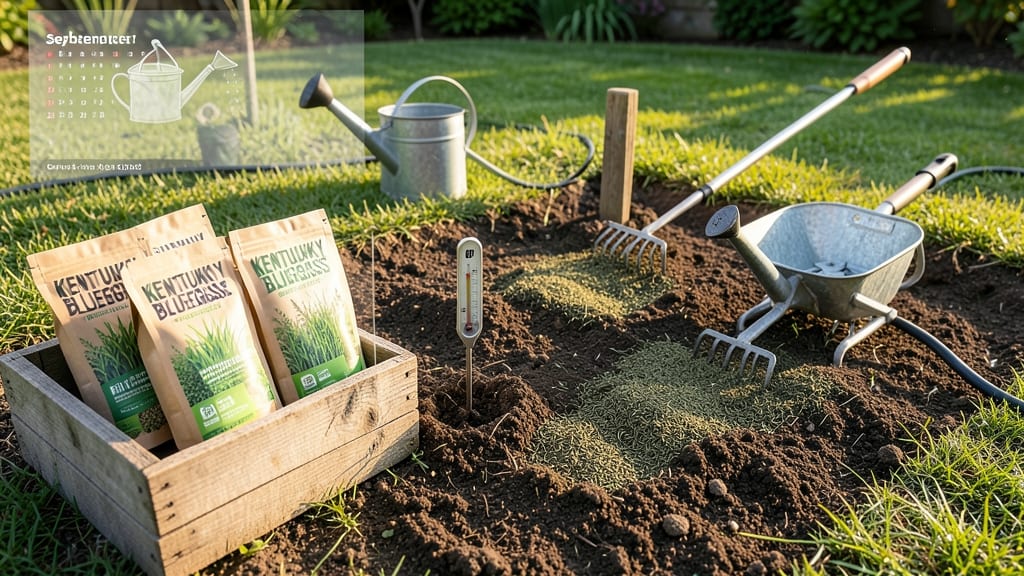
You’ve got that last-minute urge to plant grass seed (🌱 lawn grass) in Minnesota—but is it really too late to plant grass seed in Minnesota? The answer depends on your county, soil temperature, and whether you’re betting on frost or a miracle.
Late August or early September can still work if conditions are right, but push it past mid-October, and you’re flirting with winter kill.
Minnesota’s 3b-5b hardiness zones mean your timeline varies wildly—from Hennepin County’s urban heat pockets to Duluth’s chilly transitions. The key isn’t just the calendar date; it’s whether your soil stays above 50°F for 4+ weeks. Skip this rule, and your seed might sprout, then freeze before it roots.
I’ll break down exactly when to call it quits for your area, plus emergency fixes if you’re already digging in. Whether you’re overseeding a patchy lawn or starting fresh, knowing the county-specific deadlines saves you time, money, and a winter of bare spots.
Let’s dive into the science—and your best bets—before the first frost locks you out.
Minnesota grass seed planting deadlines by soil temperature (not calendar date)
Minnesota’s grass seed success depends on soil temperature, not just calendar dates. Cool-season grasses like Kentucky bluegrass and fine fescue thrive when soil stays above 50°F for 4+ weeks. If temperatures drop below this, germination slows or stops entirely—leaving you with patchy lawns or wasted seed.
Southern Minnesota (USDA Zones 4b-5a) has a longer planting window than northern regions (Zones 3b-4a). For example, Hennepin County can plant until mid-October, while Cook County must finish by early September. The key? Monitor soil—not air—temperature with a soil thermometer.
Here’s the critical rule: Plant grass seed when soil temps are 50-65°F and stay there for at least 4 weeks. Below 50°F, seeds may rot; above 75°F, they dry out. Late-season planting in October risks winter kill if frost hits before roots establish.
| Region | Soil Temp Threshold | Last Safe Planting Window | Risk Level |
|---|---|---|---|
| Southern MN (Zones 4b-5a) | 50°F+ for 4+ weeks | Mid-Sept to early Oct | Moderate (frost risk) |
| Central MN (Zones 4a-4b) | 50°F+ for 3-4 weeks | Late Aug to mid-Sept | High (early frost) |
| Northern MN (Zones 3b-4a) | 55°F+ for 2-3 weeks | Early Aug to early Sept | Very High (short season) |
🌱 Pro Tip: Use a soil thermometer to check temps at 4" depth before planting.
For cool-season grasses, aim to plant 4-6 weeks before frost. In Minneapolis (Zone 4b), this means late August to mid-September. In Duluth (Zone 3b), the window shrinks to early August to early September.
Warm-season grasses like Bermuda grass (rare in MN) need 65°F+ soil and are best planted in late spring.
If you’re in Zone 4a or colder, prioritize early fall planting (August) to give grass time to root before winter. Delaying past September 15th in northern MN often results in thin, weak lawns that struggle to survive frost. Use a mulching blanket to protect late-season seedlings from temperature swings.
Soil temperature matters more than calendar dates. For example, St. Paul (Zone 4b) might see 50°F soil in early October, while Fargo (Zone 4a) could hit frost by October 1st. Check the MN State Climatology Office for your county’s 30-year frost averages to plan accordingly.
If you’re unsure, test your soil with a thermometer at 4-inch depth in the morning. If it’s below 50°F, wait or switch to overseeding with ryegrass, which tolerates cooler soils. Never plant after the first hard frost—it’s too late for roots to establish before winter.
For urban heat islands (like Minneapolis or St. Paul), soil may stay warmer longer, extending the planting window by 1-2 weeks. However, rural areas cool faster, so adjust your timeline. Always water deeply after planting to encourage root growth before frost.
Remember: Late planting ≠ failure if conditions are right. With the right soil temp, watering schedule, and grass variety, you can still get a thick lawn—just don’t wait until October 15th in northern MN. That’s when the risk of winter kill skyrockets.
County-by-county late-season grass seed planting risks (southern MN vs. northern MN)
Minnesota’s diverse climate means your late-season planting deadline depends on whether you’re in Hennepin County (urban heat islands) or Cook County (Arctic transitions). Southern regions like Olmsted or Dakota can push grass seed until mid-October, while northern areas like Beltrami or St. Louis risk frost by early September.
The key? Soil temperature, not just calendar dates.
In southern Minnesota (USDA Zones 4b-5a), counties like Hennepin and Ramsey often see warmer microclimates thanks to urban sprawl. Here, grass seed planted in late September may still establish roots before first hard frost (mid-October).
However, northern counties (Zones 3b-4a), such as Cook or Lake, face earlier frosts (early September), leaving only a 4-6 week window for late planting.
🌱
Pros
- Longer growing season: Up to 6 weeks after Labor Day
- Warmer soils: Faster germination (50°F+ for 4+ weeks)
- Urban heat islands: Delayed frost in cities like Minneapolis
ConsRisks
- Late frost surprises: Sudden drops below 28°F can kill seedlings
- Drought stress: September heat can dry soil quickly
- Weed competition: Warm weather boosts crabgrass and clover
Pros
- Cooler temps: Less drought stress than southern MN
- Faster root establishment: Grass matures quicker in short season
- Fewer pests: Japanese beetles and chinch bugs decline earlier
Cons
- Ultra-short window: Only 4 weeks before hard frost
- Slow germination: Cooler soils delay sprouting by 10-14 days
- Winter kill risk: Thin grass may not survive sub-zero temps
For southern counties, overseeding existing lawns in early October is often safer than full reseeding. Use a ryegrass mix, which tolerates cooler temps better than fescue. In northern MN, consider spring planting (April-May) instead—late fall seed may not survive sub-zero winters.
If you’re in transition zones (e.g., Stearns or Benton County), check your local USDA frost map. A 32°F frost will halt germination, while 28°F can kill young seedlings. Mulch with straw (¼ inch thick) to insulate soil and retain 5-10°F of warmth.
Pro tip: Use a soil thermometer—if temps drop below 50°F for 3+ days, your late planting is at risk. Northern MN gardeners should switch to winter ryegrass for temporary cover, then reseed in spring.