
Plants
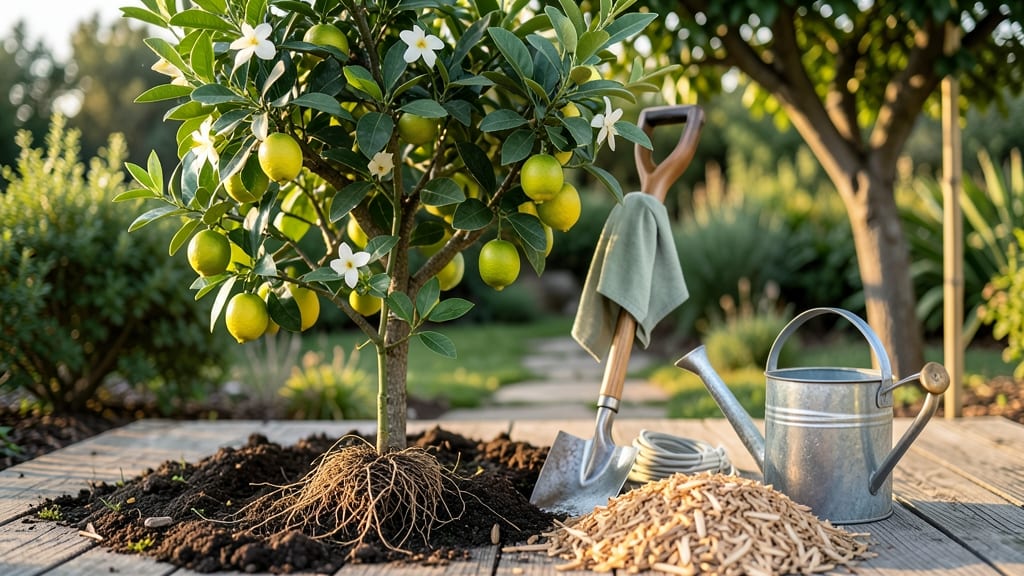
Timing your 🍋 lemon tree planting in California isn’t just about grabbing a sapling from the nursery—it’s the difference between a thriving citrus tree and one that struggles to survive.
The best time depends on where you live, whether you’re near the coast or inland, and how quickly your soil warms up after winter’s chill.
If you’re in coastal zones like San Diego or Santa Barbara, you can plant almost year-round thanks to mild winters. But inland areas in zones 8-11 need to wait until soil temperatures hit at least 60°F, usually between late winter and early spring.
Even a light frost can send your young tree into shock, so knowing your local frost-free window is key.
In this guide, I’ll break down the exact months to plant based on your region—coastal vs. inland—and share pro tips for soil prep, container planting, and extending your growing season. Whether you’re dreaming of homegrown lemons or just want your tree to take off fast, timing is everything.
Let’s dive into how to give your 🍋 lemon tree the perfect start, no matter where you are in the Golden State.
California’s optimal planting window: soil temperature & frost-free zones explained
Lemon trees thrive in California’s USDA Zones 9-11, but the best planting window depends on your soil temperature and frost risk. Unlike frost-sensitive citrus in colder zones, California’s mild winters mean you can plant year-round—but timing still matters for root establishment and growth.
The ideal window is when soil reaches 60°F (15°C) and stays consistently warm, typically November through March for inland areas and year-round in coastal zones.
Coastal regions like San Diego and Santa Barbara enjoy 365 frost-free days, allowing planting anytime. In contrast, inland areas like the Central Valley or Sacramento face occasional light frosts (28-32°F), so planting in winter or early spring minimizes cold stress.
The key is avoiding waterlogged soil in winter, which can suffocate roots before they establish.
Soil temperature is more critical than air temperature. Use a soil thermometer to check depth (4-6 inches down). For in-ground planting, wait until soil hits 60°F (15°C)—this usually aligns with late winter to early spring in most of California.
If you’re container-growing, you can plant earlier since pots warm faster in sunlight.
Here’s how microclimates shift planting windows across California:
| Region | USDA Zone | Best Planting Window | Soil Temp Goal | Frost Risk |
|---|---|---|---|---|
| Southern CA (San Diego, LA) | 10-11 | Year-round (best: Nov–Mar) | 60°F+ (always) | None |
| Central Coast (Santa Barbara) | 9-10 | Oct–Apr | 60°F+ | Rare (Dec) |
| Central Valley (Fresno) | 8-9 | Jan–Mar | 65°F+ | Moderate (Nov–Feb) |
| Bay Area (Sacramento) | 9-10 | Feb–Apr | 60°F+ | Light (Dec–Jan) |
Even in frost-prone areas, lemon trees can survive brief dips to 28°F (-2°C), but young trees (1-2 years old) need protection. Use burlap wraps or frost cloth if planting in late winter when cold snaps are possible.
For container-grown trees, move pots to a sunny, sheltered spot during frosts—this buys you 2-4 extra weeks of planting flexibility.
Pro tip: Mulch heavily (3-4 inches of wood chips) before planting to insulate roots and maintain consistent soil temps. This is especially helpful in inland valleys where daytime warmth contrasts with chilly nights.
Avoid organic mulches like grass clippings, which can mat down and trap moisture, inviting root rot.
If you’re impatient to plant but soil is still cold, try warming it faster with black plastic mulch or a mini greenhouse over the planting hole. These methods can raise soil temps by 10-15°F in 1-2 weeks, giving your lemon tree a head start.
Just remove the plastic once roots establish to avoid overheating.
Remember: Container planting gives you the most flexibility—you can move trees to warmer microclimates (like a sunny patio) during cold snaps. This is a game-changer for Northern California gardeners who want to grow lemons but face cooler winters.
Just ensure pots have drainage holes to prevent root suffocation.
For bare-root trees (common in nurseries), plant as soon as soil is workable—even if it’s not yet 60°F. Their roots are dormant and can tolerate cooler temps better than potted trees.
Soak roots in water mixed with rooting hormone for 10-15 minutes before planting to reduce transplant shock.
🌱
Best planting months by California region: coastal vs. inland lemon tree success
California’s diverse climate means your lemon tree’s planting window varies wildly depending on whether you’re near the coastal breeze or baking in the inland sun.
Coastal areas like San Diego and Santa Barbara enjoy mild winters, while inland zones (like Sacramento or Fresno) face frost risks until late spring. Even within cities, urban heat islands can push planting dates earlier by weeks.
For coastal California (USDA Zones 9-11), the best time to plant is year-round, but fall (November–March) is ideal. The ocean’s moderating effect keeps soil warm enough for root growth, and you avoid the summer heat stress that can shock young trees.
Inland areas (Zones 8-9) should wait until late winter to early spring (February–April) when soil temperatures consistently stay above 60°F.
Here’s how to adjust your planting timeline based on your exact location—plus how to extend your window with simple tricks like mulch or shade cloth.
| Region | Best Planting Window | Soil Temp Goal | Microclimate Tips |
|---|---|---|---|
| Southern CA (San Diego, LA) | Year-round (best: Nov–Mar) | 60°F+ (always) | Urban areas: Plant in winter to avoid summer heat; coastal areas: fall is safest. |
| Central Coast (Santa Barbara, Monterey) | Oct–Apr (avoid summer) | 55°F+ | Foggy mornings? Plant in spring for faster warming. |
| Central Valley (Fresno, Bakersfield) | Feb–Apr (after last frost) | 65°F+ | Use black plastic mulch to warm soil 2–3 weeks faster. |
| Bay Area (San Francisco, Oakland) | Sep–Mar (coastal frost risk) | 58°F+ | Wind exposure? Plant near a windbreak or use container growing. |
| Northern CA (Sacramento, Redding) | Mar–May (strict frost zone) | 60°F+ | High desert? Plant in spring and use drip irrigation. |
If you’re in a transition zone (like the Central Coast or San Francisco Bay Area), pay attention to local frost alerts. Even a light freeze can damage young roots, so err on the side of planting 2–4 weeks later than the table suggests.
For example, if your neighbor in Santa Barbara plants in October, wait until November if you’re in a cooler microclimate like Big Sur.
Want to plant outside these windows? Container growing is your best bet—pots warm up faster than soil and let you move your tree to a sunny patio or garage during cold snaps. Just ensure your container has drainage holes and use a lightweight potting mix to prevent root rot.
Pro tip: If you’re planting in summer, provide afternoon shade for the first 2–3 weeks to reduce transplant shock. Use a shade cloth or even a white umbrella to protect your tree while its roots establish.