
Plants
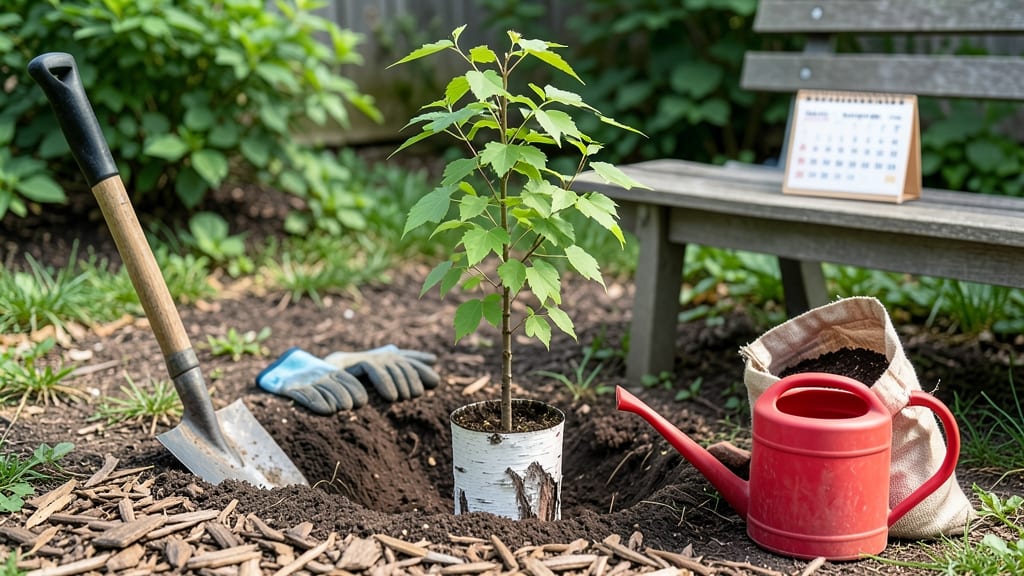
If you’ve ever watched a sapling struggle to take root in Colorado’s unpredictable climate, you know timing is everything—especially when it comes to planting a tree 🌳.
The wrong month could mean wasted effort, while the perfect window ensures your young tree thrives through USDA Zones 5-7 and elevation swings from plains to mountains.
Most gardeners assume spring is the only safe bet, but Colorado’s early spring frost risks and late fall’s milder temperatures actually offer two prime chances: early spring (April-May) and early fall (September-October).
I’ll break down the science—soil temps, frost-free deadlines, and how elevation changes everything—so you can plant with confidence, not guesswork.
Whether you’re in Denver’s urban heat or Aspen’s alpine chill, the key lies in matching your tree’s needs to Colorado’s microclimates. We’ll cover soil prep, species selection, and post-planting care to give your tree the fighting chance it deserves against winter burn and drought stress.
Ready to skip the trial-and-error? Let’s dive into the exact windows, tools, and tricks that’ll turn your tree-planting dreams into a long-term Colorado landscape success—no matter where you live in the state.
Colorado tree planting deadlines by elevation: frost-free windows & soil temperature rules
Colorado’s dramatic elevation shifts—from 3,300 feet in Denver to over 14,000 feet in the Rockies—mean your tree planting window can vary by 3 months or more. The USDA hardiness zones 5-7 here don’t tell the full story; soil temperature and frost-free dates are your real guides.
Ignore these, and your bare-root sapling might suffocate in frozen clay or bake in premature heat.
For most Colorado regions, the ideal planting window is when soil temperatures hit 40°F+ and stay there for 2+ weeks. This typically lands in early spring (April-May) for bare-root trees or early fall (September-October) for container-grown trees.
But these deadlines shift 1,000 feet per month—plant too early in the mountains, and frost will kill tender roots.
Here’s how elevation rewrites your planting calendar, using Colorado State University data and USDA frost maps:
| Elevation Range | Avg. Last Frost | Soil Temp Threshold (40°F+) | Ideal Planting Window | Notes |
|---|---|---|---|---|
| 3,000–5,000 ft (Denver, Fort Collins) | April 15–May 1 | Early April (soil warms faster) | April 1–May 15 (spring) or Sept 15–Oct 15 (fall) | Clay soils dry fast; mulch heavily. |
| 5,000–7,000 ft (Boulder, Colorado Springs) | May 1–May 15 | Mid-April (slower warming) | May 1–June 1 (spring) or Sept 1–Sept 30 (fall) | High-desert winds dry roots quickly. |
| 7,000–9,000 ft (Aspen, Salida) | May 15–June 1 | Late April–early May | May 15–June 15 (spring) or Aug 15–Sept 15 (fall) | Short growing season; choose cold-hardy species. |
| 9,000–11,000 ft (Leadville, Vail) | June 1–June 15 | Early June (late snowmelt) | June 1–July 1 (spring) or Aug 1–Aug 30 (fall) | Alpine zone; only plant hardy evergreens. |
Pro tip: Use a soil thermometer ($10 at garden centers) to confirm 40°F soil temps before planting. Stick it 6 inches deep—that’s where roots need warmth to thrive. In high-elevation zones, wait until after June 1 to avoid late frosts that can scorch new leaves.
Evergreens like Colorado blue spruce or Engelmann spruce are more forgiving for late planting, but deciduous trees (e.g., quaking aspen, serviceberry) need that 6-week window between frost and soil warming. Miss it, and you risk root rot from soggy spring soils or winter burn from dry fall winds.
Colorado’s Western Slope (Grand Junction, Durango) has a longer frost-free season (180+ days) due to lower elevation and desert climate. Here, you can plant bare-root trees as late as October 31, but container-grown trees still thrive best in September to establish roots before winter.
The key? Water deeply before the first hard frost (28°F) to protect roots.
For urban Denver/Boulder, watch for microclimates: South-facing yards warm 2–3 weeks earlier than north sides. If your yard is paved or concrete-heavy, soil stays 10°F warmer—plant 2 weeks earlier than the average date.
Use a shade cloth if planting in late May to shield young leaves from sudden heatwaves.
Remember: Fall planting (September–October) is ideal for container-grown trees because cooler temps mean less transplant shock. But if you’re planting bare-root trees, spring is safer—roots wake up faster in warming soil. Either way, mulch with 3–4 inches of wood chips to insulate roots and retain moisture.
🌳
How to adjust planting for Colorado’s microclimates: urban heat islands vs. alpine zones
Colorado’s microclimates can turn a perfect planting window in Denver into a death sentence for a tree in Aspen. The same blue spruce thriving in Boulder’s high-desert chill might shrivel in Colorado Springs’ urban heat—unless you adjust your approach.
I’ve planted trees across the state, and the difference between success and failure often comes down to understanding these localized conditions.
Urban areas like Denver and Colorado Springs experience heat islands where pavement and buildings trap warmth, delaying frost and drying out soil faster. Meanwhile, alpine zones like Vail or Leadville face shorter growing seasons and colder soil temps that demand earlier planting.
Even a 1,000-foot elevation gain can shift your ideal window by weeks.
Here’s how to tailor your planting strategy to Colorado’s most common microclimates—plus the species that excel in each:
| Microclimate | Key Challenges | Best Planting Window | Top Tree Picks | Critical Adjustments |
|---|---|---|---|---|
| Urban (Denver, CO Springs) | Drought stress, heat shock, compacted soil | Late April–early May or Sept 15–Oct 15 | Hackberry, Ginkgo, Russian olive | Amend soil with compost, mulch 4" deep, water deeply at dusk |
| High Desert (Boulder, Fort Collins) | Cold nights, alkaline soil, wind exposure | Early May or Aug 15–Sept 15 | Colorado blue spruce, Ponderosa pine, Serviceberry | Test soil pH, use windbreaks, plant container-grown |
| Alpine (Aspen, Vail) | Short season, rocky soil, late snowmelt | Late May or July 15–Aug 15 | Engelmann spruce, Subalpine fir, Mountain ash | Plant near south-facing slopes, use root stimulator |
| Western Slope (Grand Junction) | Extreme heat, low humidity, clay soil | March 15–April 15 or Sept 1–Oct 1 | Desert willow, Mesquite, Palo verde | Mulch heavily, drip irrigation, avoid transplant shock |
The Western Slope gets a head start with its milder winters, while alpine zones often wait until July to avoid late snow. My biggest lesson? Container-grown trees adapt better to microclimates than bare-root stock—they’re less stressed by soil temp swings and establish faster in rocky or urban soils.
Pro tip: Use Colorado State University’s PlantTalk tool to input your ZIP code and get hyper-local advice. For example, a tree planted in Golden’s canyon microclimate needs 50% more water than one in nearby Lakewood’s suburban zone.
The difference isn’t just timing—it’s root zone prep and post-planting care tailored to your backyard’s unique quirks.
Don’t let Colorado’s diverse landscapes fool you into a one-size-fits-all approach. Whether you’re battling urban heat islands or alpine frost pockets, the right species and adjustments will give your tree the best shot at thriving—no matter where you plant 🌲.