
Plants
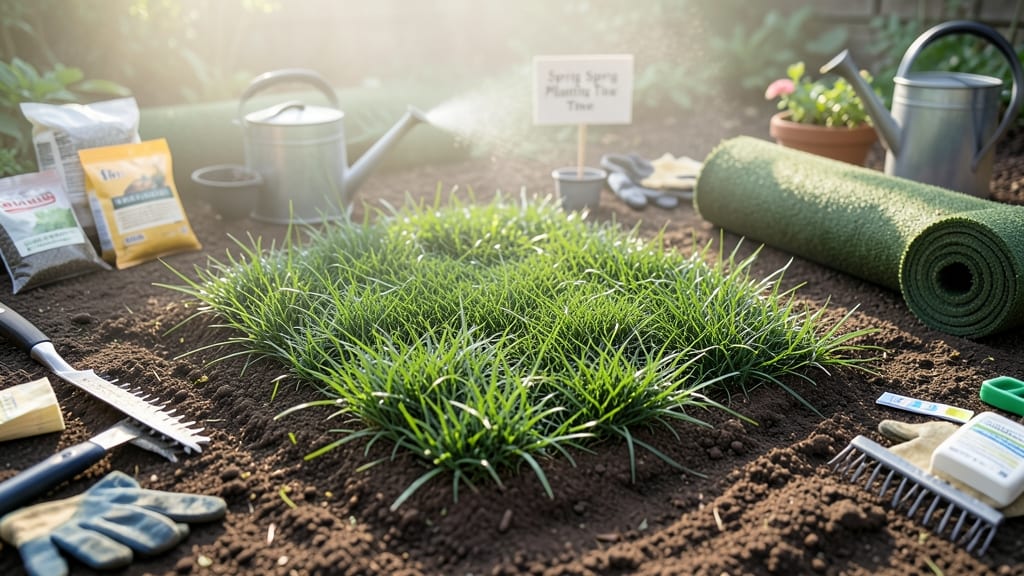
Planting your spring grass at the wrong time can turn your dream lush lawn into a patchy disappointment. The secret to fast, even germination isn't just about timing—it's about understanding when your soil is truly ready to support new growth.
In Zone 6a, where last frost typically hits mid-April, waiting until soil warms to 55-65°F makes all the difference between success and frustration.
Most gardeners assume "early spring" means February, but rushing it often leads to slow starts or seed loss. Cool-season grasses like Kentucky bluegrass thrive when planted 4-6 weeks before your last frost, while warm-season varieties need to wait until after that date.
The key? Checking soil temperature with a simple tool—because Mother Nature’s calendar isn’t always on time.
In this guide, I’ll break down the best planting windows for your region, how to prep your soil for maximum success, and the three mistakes that sabotage even the most eager gardeners.
Whether you’re seeding a new lawn or overseeding an old one, these tips will help you get it right the first time.
Ready to transform your yard into the envy of the neighborhood? Let’s dive into the soil secrets that turn spring planting from guesswork into a guaranteed green victory.
Ideal soil temperature ranges for fast grass germination in spring
Soil temperature is the single most critical factor in determining when to plant grass seed in spring. Unlike air temperature, which can fluctuate wildly, soil temperature provides a reliable indicator of when your lawn is ready for new growth.
For cool-season grasses like Kentucky bluegrass and fescue, the sweet spot is 50-65°F—any cooler, and germination slows to a crawl. Warm-season varieties like Bermuda grass, on the other hand, need soil temps of 65-75°F to thrive.
Most gardeners make the mistake of planting too early, hoping for a head start. But cold soil ties up nutrients, leaving your seed vulnerable to rot or disease. Even if your local forecast says spring has arrived, don’t trust the calendar—trust your soil thermometer.
I’ve seen lawns planted in March fail spectacularly because the ground was still hovering at 45°F, while others planted in April took off like a rocket when temps hit 60°F.
To check your soil temperature accurately, use a soil thermometer (available for under $10). Insert it 4-6 inches deep—this mimics the depth where most grass roots will establish. Take readings in the late afternoon when soil is warmest, and avoid testing after rain, which can skew results.
Pro tip: If your soil feels cool to the touch, it’s definitely not ready yet.
Regional variations play a huge role in timing. In northern climates (Zones 3-5), aim for late April to early May, while southern zones (7-10) can plant as early as February.
The key is to plant 4-6 weeks before your last frost date for cool-season grasses, giving them time to establish before summer heat arrives. For warm-season grasses, wait until after the last frost—planting too early risks seed death from late frosts.
Here’s a quick rule of thumb: If you can comfortably wear a light jacket outside at noon, your soil is likely in the ideal range for cool-season grass. For warm-season types, if you’re already reaching for sunscreen, it’s time to plant.
Paying attention to these cues will save you from the heartbreak of watching seed wash away in heavy rains or rot in cold soil.
| Grass Type | Ideal Soil Temp (°F) | Best Planting Window | Germination Time |
|---|---|---|---|
| Cool-Season (Kentucky Bluegrass, Fescue, Ryegrass) | 50–65°F | 4–6 weeks before last frost | 7–21 days |
| Warm-Season (Bermuda, Zoysia, St. Augustine) | 65–75°F | After last frost (late spring) | 14–30 days |
| All Grasses (Overseeding) | 55–65°F | Early fall (best) or late spring | 10–28 days |
If your soil temperature is below the ideal range, don’t despair—you can warm it up naturally with a few tricks. Clear any debris or mulch from the planting area to let sunlight penetrate, and consider using black plastic mulch for a week before planting. This simple step can raise soil temps by 10-15°F, speeding up germination dramatically. Just
Another common mistake is assuming that because the air feels warm, the soil is ready. Shade from trees or buildings can keep soil 10-15°F cooler than open areas. Test multiple spots in your yard—especially shady or compacted areas—to ensure consistency. For example, a south-facing slope might hit 65°F while a north-facing area stays at 55°F. Adjust your planting schedule accordingly to avoid patchy growth.
Once you’ve confirmed your soil is in the ideal range, the next critical step is moisture management. Grass seed needs consistent moisture to germinate, but overwatering can wash it away. Aim for 1-1.5 inches of water per week, delivered gently with a sprinkler or soaker hose.
Watering in the early morning reduces evaporation and fungal risks. I’ve seen lawns planted with perfect timing fail because the gardener let the soil dry out during a heatwave—so stay vigilant!
Finally, remember that soil temperature isn’t just about planting—it’s also about maintaining your lawn. If you’re overseeding in late spring, aim for 55-65°F soil temps again, as this gives new seed the best chance to compete with established grass.
And if you’re in a transitional climate (like Zone 7), you might get two planting opportunities: once in early spring for cool-season grasses and again in late spring for warm-season types.
By mastering soil temperature, you’ll transform your spring grass planting from a gamble into a guaranteed success. Next, we’ll dive into how to adjust your planting timeline based on your specific US climate zone—so you can finally get that lush, green lawn you’ve been dreaming of.
Spring planting timeline by US climate Zones (with seed selection guide)
Timing your spring grass planting depends entirely on your USDA climate zone and the type of grass you’re growing.
Cool-season grasses like Kentucky bluegrass and fescue thrive when planted 4-6 weeks before your last frost date, while warm-season varieties such as Bermuda and Zoysia need to wait until after the last frost.
In Zones 3-5, this often means early April, but in Zones 8-10, you might start as early as February or wait until late spring.
Regional differences matter too—Northern climates with late frosts (like Zone 4) should avoid planting until soil temperatures hit 50-55°F, while Southern zones (like Zone 9) can start earlier when temperatures are 60-65°F.
The key is balancing soil warmth with moisture availability—planting too early risks frost damage, while waiting too long can lead to drought stress during germination.
Here’s a quick-reference guide to help you align your planting schedule with your zone and grass type:
| USDA Zone | Best Planting Window | Ideal Grass Types | Soil Temp Goal (°F) |
|---|---|---|---|
| Zones 3-5 | Early April (4-6 weeks before last frost) | Tall fescue, Kentucky bluegrass, Perennial ryegrass | 50-55°F |
| Zones 6-7 | Late March to early April | Fine fescue, Bermuda (late spring), Zoysia | 55-60°F |
| Zones 8-10 | February to early April (or late summer) | Bermuda, Zoysia, St. Augustine (warm-season dominant) | 60-65°F |
🌱 Pro Tip: Use a soil thermometer to confirm temps before planting—don’t guess!
For example, in Zone 6a (like much of the Midwest), I always aim to plant cool-season grass in early April when soil temperatures consistently stay above 55°F.
If you’re in a Southern zone, you might start as early as February, but be prepared to water more frequently to keep the soil moist during germination. Warm-season grasses, on the other hand, should wait until after the last frost—often late spring or early summer—to avoid heat stress.
Adjusting for early or late springs is simple: if your area experiences unusually cold springs, delay planting until soil warms up. Conversely, in mild winters, you might start earlier.
Always monitor local weather forecasts and use a soil thermometer for accuracy—it’s the best way to avoid common mistakes like planting too soon and watching your seed wash away or freeze.
Once you’ve nailed down the timing, the next step is seed selection. Cool-season grasses like fescue are drought-tolerant and shade-friendly, making them ideal for Northern climates, while Bermuda grass thrives in Southern heat and heavy foot traffic.
Choose a blend suited to your climate, sunlight, and soil type for the best results.