
Plants
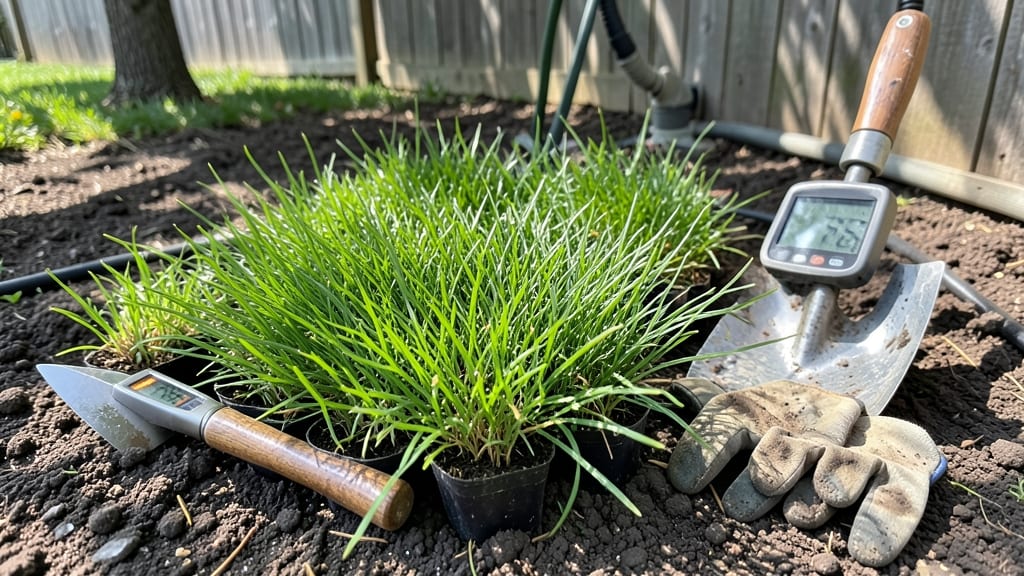
The best time to plant Bermuda Grass in Oklahoma isn’t just about the calendar—it’s about giving your lawn the fighting chance it needs to beat the brutal summer heat.
If you’ve ever watched your grass turn brown by July, you know timing matters. Bermuda Grass thrives when planted either in late spring (April-June) or early fall (August-September), when soil temperatures hit that sweet spot of 65°F+.
But here’s the catch: Oklahoma’s 6b-8a zones create real differences between northern counties like Woodward and southern regions near Tulsa.
I’ll break down exactly which months work best for your specific corner of the state, plus soil prep tricks to ensure deep roots that survive Oklahoma’s 100°F+ summers. No more guessing—just proven strategies for a lawn that stays green when others give up.
Ready to plant with confidence? Let’s get started with the county-specific windows that’ll make all the difference.
Oklahoma county-specific planting windows for Bermuda grass success
Timing is everything when planting Bermuda grass in Oklahoma, where USDA zones 6b-8a create distinct microclimates. The ideal window spans two periods: late April to early June for spring planting and August to early September for fall establishment.
These windows align with soil temperatures reaching 65°F+, crucial for germination and deep root development.
Southern Oklahoma counties like McCurtain or Choctaw (zone 8a) can start as early as mid-March, while northern areas like Woodward or Woodward County (zone 6b) should wait until mid-May.
This variation accounts for last frost dates (March 15 in zone 6b vs. February 15 in zone 8a) and summer heat intensity.
Here’s how to optimize planting by region, ensuring your Bermuda grass thrives year-round:
| Region | USDA Zone | Spring Window | Fall Window | Key Notes |
|---|---|---|---|---|
| Southern OK (e.g., McCurtain, Choctaw) | 8a | Mid-March to late April | July to early September | Warmer soils; hybrid varieties thrive |
| Central OK (e.g., Oklahoma City, Tulsa) | 7a-7b | Late April to early June | August to mid-September | Moderate heat; common Bermuda performs well |
| Northern OK (e.g., Woodward, Beaver) | 6b | Mid-May to late June | Late August to early October | Cooler soils; extend fall window |
🌱 Pro Tip: Use a soil thermometer to confirm 65°F+ before planting.
For spring planting, aim to establish roots before Oklahoma’s summer heat peak (June-August). This gives your grass a 3-4 week head start before drought stress sets in. In fall, prioritize planting 6 weeks before first frost (varies by zone) to allow root development before dormancy.
Counties like Oklahoma City (zone 7b) benefit from hybrid Bermuda varieties, which tolerate heat better than common types. Meanwhile, Woodward County (zone 6b) may need earlier fall planting to avoid early frosts. Always check your local cooperative extension service for county-specific advice.
If you miss the ideal windows, late June or early July can still work for summer planting, but expect slower establishment. Avoid planting in September or later, as cooler soils and shorter days reduce root growth before winter.
Post-planting, focus on consistent watering (1 inch per week) and light fertilization (16-4-8 NPK) to encourage deep roots. In southern Oklahoma, mow high (3-4 inches) to shade roots and retain moisture during peak summer.
By aligning your planting with these county-specific windows, you’ll set your Bermuda grass up for year-round resilience, whether you’re in humid Tulsa or drier Woodward. 🌿
Critical soil temperature and preparation requirements for Bermuda grass establishment
Before planting Bermuda grass in Oklahoma, soil temperature is the #1 factor for success. This grass needs soil that’s at least 65°F—any cooler, and germination slows to a crawl.
In northern Oklahoma (zone 6b), wait until late May when soils finally warm up, while southern regions (zone 8a) can start as early as March.
Testing soil temperature is simple: use a soil thermometer (available at garden centers for ~$10) and check it 1 inch deep in the morning. If it’s below 65°F, wait—rushing planting leads to patchy, weak growth that browns in summer heat.
Patience here pays off with deep roots that survive Oklahoma’s droughts.
🌱 Key Takeaway: Plant only when soil hits 65°F+ for 7 consecutive days. This ensures consistent germination across your entire lawn.
Avoid These Soil Mistakes
- Cold soil: Planting below 60°F causes seed rot and poor root development.
- Clay-heavy soil: Oklahoma’s clay soils (common in central OK) need amendments to prevent compaction.
- Over-fertilizing early: Too much nitrogen before establishment burns young roots.
- Skipping soil test: pH outside 6.0-7.5 blocks nutrient uptake.
⚠️ Warning: Never plant Bermuda grass in waterlogged soil—it causes fungal diseases like brown patch.
Oklahoma’s clay-heavy soils (especially in central and western counties) need special prep. Start by testing your soil’s pH—Bermuda grass prefers 6.0-7.5. If your soil is too acidic (below 6.0), add lime 2-3 months before planting. For alkaline soils (above 7.5), mix in sulfur or peat moss.
Next, loosen the top 6 inches of soil with a tiller or rototiller. This breaks up compaction and improves water drainage. Mix in 2-3 inches of compost or well-rotted manure to boost organic matter.
In sandy soils (common in southwestern Oklahoma), add peat moss to retain moisture during establishment.
For existing lawns, kill existing grass with glyphosate (follow label instructions) 2 weeks before planting. Then, rake away debris and level the soil with a lawn roller.
If your yard has low spots, add a topsoil mix and level before planting. This ensures even water distribution and uniform growth.
Finally, water deeply the day before planting to settle the soil. This helps seeds make immediate contact with moist earth, speeding up germination. In dry years (like Oklahoma’s 2022 drought), consider using a soil moisture sensor to track moisture levels during establishment.
With these soil prep steps, your Bermuda grass will develop deep, drought-resistant roots—the key to surviving Oklahoma’s 100°F+ summers without wilting. 💧