
Plants
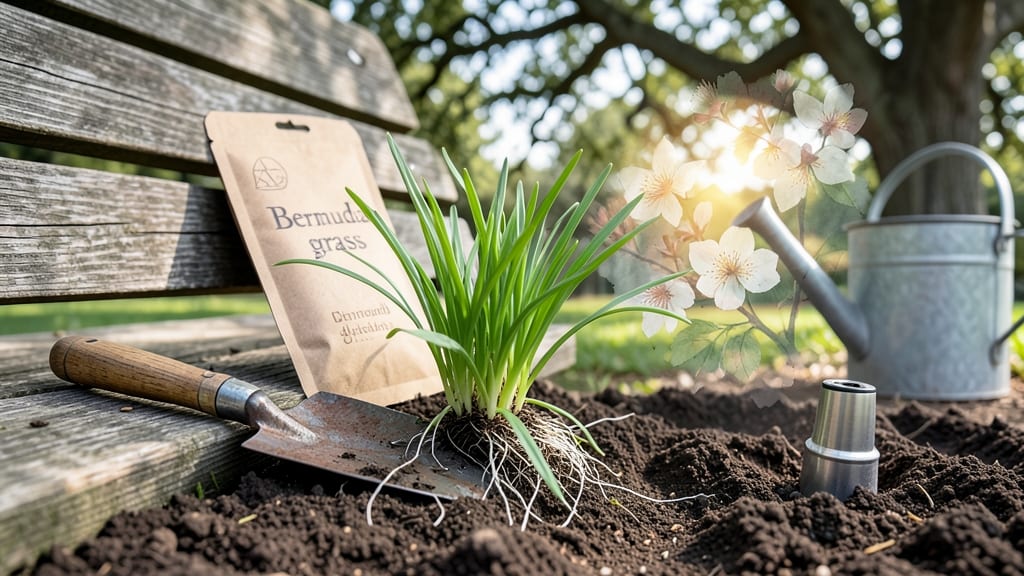
Planting Bermuda Grass seed at the wrong time in North Texas can mean the difference between a lush, green lawn and months of frustration—especially when summer heat arrives faster than you expect.
The perfect window for sowing is late April to early June, but getting it right requires more than just picking a date.
Soil temperatures must hit 65°F or higher, frost risk must vanish, and your local microclimate (whether you're in Dallas or rural Zone 8a) plays a bigger role than you might think.
Many gardeners assume spring is the only option, but timing is everything—plant too early and your seeds may rot in cold soil, too late and you'll battle summer drought before roots establish.
I'll break down exactly when to start, how to prep your soil for maximum germination, and why fall planting is a risky gamble in this region. Skip the guesswork and learn the game-changer strategies that keep North Texas lawns thriving year-round.
What if you missed the ideal window? Don't panic—we'll cover how to adjust for late starts, recognize the signs of ready-to-plant soil, and troubleshoot common mistakes that turn seed into wasted money.
Whether you're seeding a new lawn or repairing bare patches, these insights will help you avoid the pitfalls that leave so many lawns struggling under North Texas' extreme conditions.
Ready to transform your yard? Let's dive into the exact timing, tools, and techniques that make Bermuda Grass the durable, drought-resistant choice it's known for—without the trial and error. Your lawn's success starts with knowing when to plant.
Optimal Bermuda seed planting windows in North Texas: spring vs fall timing breakdown
North Texas gardeners face a tough choice when planting Bermuda grass seed: spring or fall? The answer depends on your soil temperature, frost risk, and local microclimates. Unlike cool-season grasses, Bermuda thrives in heat and needs warm soil to germinate—typically 65°F or above.
In North Texas’ USDA Zone 8a, this usually means waiting until late April to early June for the best results.
Fall planting is not recommended for Bermuda seed in our region because cool nights slow germination, and first frost (around November 15) can kill young seedlings. Instead, focus on spring planting when days are long and temperatures rise consistently.
This aligns with Bermuda’s warm-season nature, ensuring faster establishment and thicker turf before summer’s heat peaks.
🌱 Did You Know? Bermuda grass grows 3x faster in full sun with soil temps above 75°F—but planting too early (before 65°F) risks rot and poor root development. Timing is everything!
| Factor | Spring Planting (Late April–Early June) | Fall Planting (Not Recommended) |
|---|---|---|
| Soil Temp | 65°F+ (ideal for germination) | Below 65°F (stunts growth) |
| Frost Risk | None after March 15 | High after October 1 |
| Growth Speed | Fast (6–8 weeks to full coverage) | Slow (seedlings may die in frost) |
| Water Needs | High (1–2x/week until established) | Low (seedlings may not survive) |
| Best For | Full sun lawns in Dallas/Fort Worth | Not viable in North Texas climate |
For Dallas-Fort Worth areas, aim for late April when daytime highs hit 80°F+ and nights stay above 55°F. Rural areas (like Weatherford or Waco) can plant 1–2 weeks later due to cooler microclimates.
Always check a soil thermometer—Bermuda seed won’t sprout until the top 2 inches of soil hit 65°F.
Pro tip: If you miss the spring window, consider sod instead of seed—it establishes faster and handles North Texas’ summer heat better. Seedlings planted after June 15 often struggle with heat stress and drought, even with irrigation.
Once planted, Bermuda grass dormantizes in winter but rebounds quickly in spring. To ensure a thick, green lawn, time your planting so seedlings have 6–8 weeks of warm weather before summer’s peak. This means no later than early June—after that, growth slows dramatically.
Local extension offices (like Texas A&M AgriLife) recommend preparing soil in March (removing weeds, tilling, and amending clay soil with compost), but wait until late April to plant. This 2-month buffer ensures your Bermuda seed has the best chance to thrive in North Texas’ extreme conditions.
🔍 Key Takeaway: Plant Bermuda seed in North Texas between late April and early June for optimal germination. Avoid fall planting—it’s a recipe for failure in our climate. With the right timing, you’ll have a lush, drought-resistant lawn by summer!
Optimal Bermuda seed planting windows in North Texas: spring vs fall timing breakdown
In North Texas, late April to early June is the golden window for planting Bermuda grass seed, but timing isn't one-size-fits-all.
The USDA Zone 8a climate demands precise attention to soil temperatures and frost patterns—plant too early and your seeds risk rotting in cold soil, too late and summer drought will stress young roots before they establish.
Most gardeners assume spring is the only option, but fall planting is risky in this region due to early frosts and shorter growing seasons. The key threshold? Soil temperatures must stay above 65°F for at least 7 consecutive days before sowing.
In Dallas, this typically aligns with mid-April, while rural areas near Waco may wait until early May.
🌱 North Texas Bermuda Grass Planting Comparison
| Season | Ideal Planting Window | Soil Temp Requirement | Regional Notes |
|---|---|---|---|
| Spring | Late April - Early June | 65°F+ (consistent) | Dallas: Mid-April; Rural Areas: Early May |
| Fall | Late August - Early September (high risk) | 65°F+ (rare in fall) | Early frosts (Nov 15) limit success |
| Microclimates | Adjust ±1 week | Urban areas warm faster | Fort Worth: 3 days earlier than Dallas |
⏰ Pro Tip: Use a soil thermometer to verify temperatures—don't guess!
For urban areas like Dallas-Fort Worth, the window narrows to April 20–May 10 due to faster warming soils, while rural zones near Waco may push planting to May 1–15.
The 14-day frost-free guarantee is your best friend—check local forecasts and wait until all frost risk has passed, even if soil temps are ideal.
If you're repairing bare patches rather than seeding a full lawn, you can extend the window slightly (June 1–15), but be prepared for intense summer heat and increased watering needs.
Young Bermuda grass struggles when daytime temps exceed 90°F, so morning watering and afternoon shade (via temporary row covers) can buy critical time.
Remember: Bermuda grass is aggressive once established, but it won't establish if planted at the wrong time. The 30-day germination window after sowing is your best shot at thick, drought-resistant turf—don't let North Texas' unpredictable weather ruin your plans with a late start.
🌡️