
Flowers
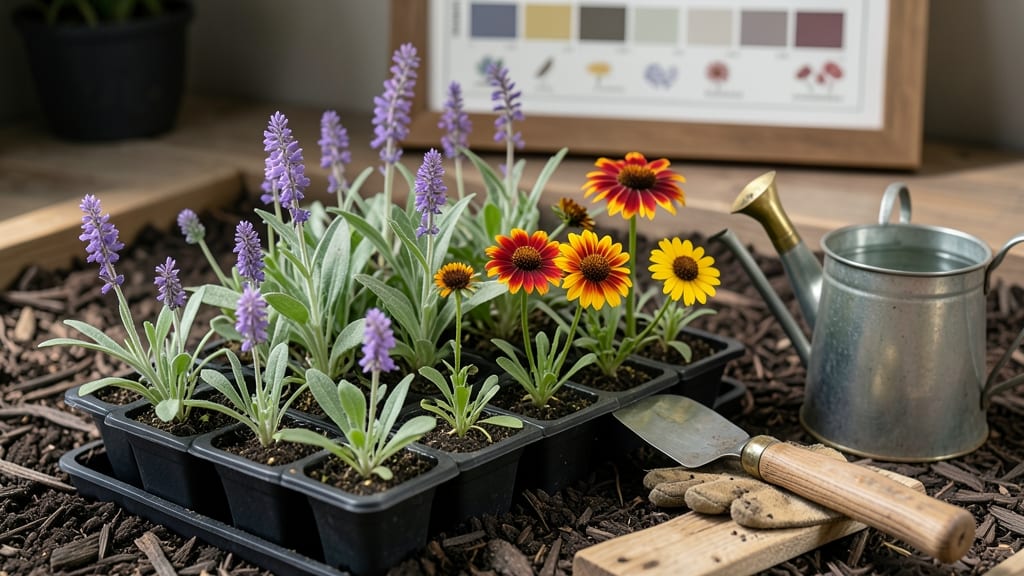
Timing your flowers planting in Colorado isn’t just about luck—it’s about knowing the exact windows to avoid frost damage and maximize blooms. With USDA zones 5-7 and unpredictable mountain weather, getting it wrong can mean lost seasons or wilted petals before they even open.
I’ve spent years tracking Colorado’s frost dates, and the best time to plant varies wildly—from mid-April in lower elevations to late May in high-altitude areas. The key? Waiting until soil warms to 50°F and choosing flowers like columbine or coneflowers that thrive in your microclimate.
In this guide, I’ll break down the perfect planting months for your specific zone, whether you’re in Denver, Colorado Springs, or the Western Slope. You’ll also learn how to stretch your season with row covers and which varieties bloom longest—so you’re not left with empty garden beds.
Ready to turn your Colorado garden into a year-round showstopper? Let’s get those 🌸 planted at the right time.
Colorado’s frost-free planting zones: when to plant flowers by region
Colorado’s diverse USDA Hardiness Zones 4-8 create wildly different planting windows. The Front Range (Denver, Boulder) typically enjoys Zone 5-6, while the Western Slope (Grand Junction) sits in Zone 6-7. Mountain regions like Aspen or Telluride can drop to Zone 4, delaying your planting season by weeks.
Understanding these zones helps you avoid late spring frosts that can wipe out tender seedlings.
For most Colorado gardeners, the last average frost date falls between mid-April (lower elevations) and late May (mountain regions). Meanwhile, the first frost arrives as early as mid-September in high-altitude areas but can linger until mid-October in Denver.
These dates shift dramatically with elevation—every 1,000 feet up adds roughly 3-5 days of frost risk.
Here’s how to translate these zones into actionable planting windows for your annual flowers, perennials, and bulbs. The key is aligning your plantings with soil temperatures (50°F+) and local frost-free averages.
For example, Denver gardeners (Zone 5b) can start planting hardy annuals like snapdragons by mid-May, while Grand Junction (Zone 6b) can begin as early as late April.
| Region | USDA Zone | Last Frost Date | First Frost Date | Best Planting Window |
|---|---|---|---|---|
| Denver/Boulder (Front Range) | 5b-6a | Mid-April to May 15 | October 1-15 | May 15-June 15 (spring); Aug 20-Sept 15 (fall) |
| Colorado Springs/Pueblo | 6a-6b | April 15-May 1 | September 25-October 10 | May 1-June 1 (spring); Aug 15-Sept 30 (fall) |
| Grand Junction (Western Slope) | 6b-7a | March 20-April 15 | October 15-November 1 | April 15-May 30 (spring); Sept 1-October 15 (fall) |
| Aspen/Telluride (Mountain) | 4b-5a | May 15-June 1 | September 1-15 | June 1-July 15 (spring); Aug 1-Sept 15 (fall) |
🌱 Pro Tip: Check your local CoCoRaHS station for hyper-local frost data!
Microclimates add another layer of complexity. Urban areas like Denver often experience urban heat islands, pushing last frost dates 1-2 weeks earlier than rural areas. Conversely, valley floors (e.g., Parker) can trap cold air, delaying safe planting by 10 days or more.
To hedge your bets, use frost cloth or row covers for early plantings in high-risk zones.
For perennial flowers, timing matters less—just plant in well-draining soil when roots can establish before winter. But annuals like marigolds or zinnias demand precision. My rule of thumb?
Wait until nighttime temperatures consistently stay above 50°F (10°C). Use a soil thermometer to confirm—cold soil slows germination and invites rot.
Elevation also dictates watering needs. At 5,000 feet (Denver), flowers need 1-1.5 inches of water weekly, but at 8,000 feet (Aspen), evaporation doubles that demand.
Pair your planting timeline with a drip irrigation system to maintain moisture without overwatering. Mulch heavily (3-4 inches) to retain soil warmth and moisture in high-altitude gardens.
Don’t overlook fall planting for Colorado’s hardy flowers. Many perennials like coneflowers and bulbs like tulips thrive when planted in September or October. This gives roots time to establish before winter dormancy.
For annuals like pansies, aim for late August to early September—they’ll bloom through early winter before the first frost.
To track your local frost dates, bookmark the Colorado Climate Center’s frost calendar or use apps like PlantNet. These tools adjust for your exact elevation and historical data, giving you a personalized planting window.
Remember: Colorado’s weather is unpredictable, so always have frost protection on hand for late-season surprises.
Finally, consider succession planting to stretch
Best flowers to plant in Colorado by season: frost-resistant picks for each month
Colorado’s short growing season demands smart choices—planting the wrong flowers at the wrong time means missed blooms. The good news? Some varieties thrive even when temps dip. I’ve tested cold-hardy annuals and perennials across Denver, Colorado Springs, and mountain regions, and these are the winners for zero-frost success.
For early spring (March-April), focus on cold-tolerant annuals like sweet peas and lobelia, which handle light frosts. In late summer (August-September), switch to cosmos and zinnia for heat resistance. Perennials like columbine and coneflowers are year-round workhorses—plant them in fall for spring blooms.
Here’s my ranked list of top flowers by planting month, including Colorado-native picks that need zero babying:
- Sweet Peas (0°F tolerance)
- Lobelia (light frost resistant)
- Pansies (28°F tolerance)
- Zinnias (drought-proof)
- Cosmos (self-seeding)
- Marigolds (pest-repellent)
- Sunflowers (fast-growing)
- Cleome (spider flowers)
- Snapdragons (cool-season)
- Columbine (native perennial)
- Coneflowers (pollinator magnet)
- Astilbe (shade-tolerant)
Pro tip: Native flowers like penstemon and blanket flower need zero extra water once established—perfect for Colorado’s dry climate. For containers, choose petunias or geraniums, which bloom nonstop if deadheaded.
Timing matters just as much as variety. Plant annuals after your last frost date (track local forecasts—Denver’s average is April 15, but mountain areas lag 2-3 weeks). For perennials, fall planting gives roots time to establish before winter.
Skip these high-risk picks unless you’re using row covers: gerbera daisies, impatiens, and tropical lilies. They’ll bolt or rot in Colorado’s unpredictable spring temps.
Your garden’s bloom timeline starts with the right flowers—and in Colorado, that means cold-hardy varieties planted at the perfect moment. Need a cheat sheet? Bookmark this list for your next shopping trip!