
Plants
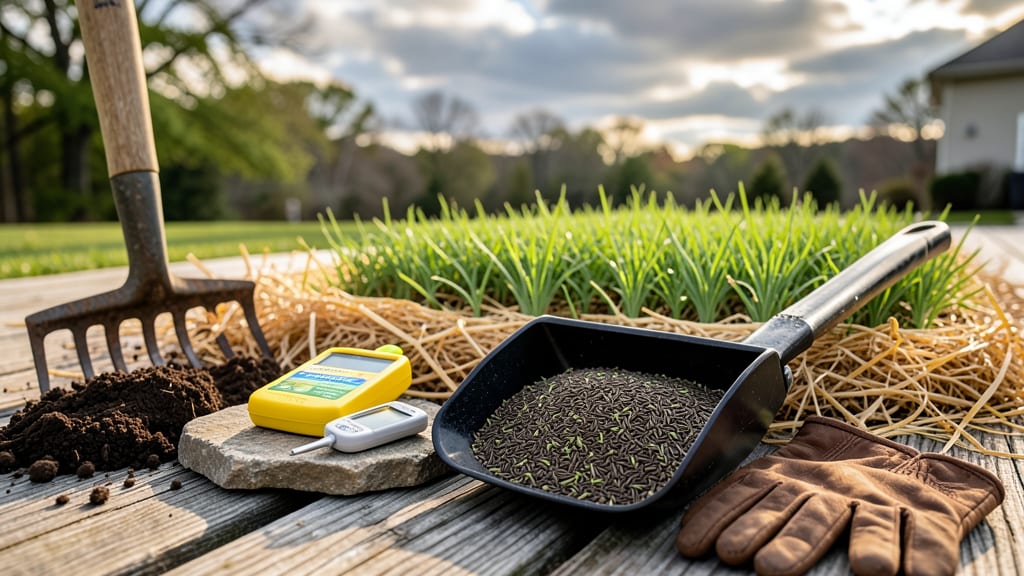
If you've ever wondered when is the best time to plant grass seed in Connecticut, you're not alone. The difference between a lush, green lawn and a patchy disappointment often comes down to timing—and getting it wrong can mean wasted money and months of frustration.
Here's the truth: Connecticut's 5b-6b climate gives you two prime windows for planting 🌱—early spring and early fall—but each has its own sweet spot. Plant too early, and frost will sabotage your efforts.
Too late, and summer heat or winter cold will leave your lawn struggling. I'll break down exactly when to plant for fast germination and a lawn that stays thick year-round.
Most gardeners assume spring is the only option, but fall planting actually gives your grass a head start. We'll cover the ideal months, soil temperature tricks, and how to prepare your lawn for success—whether you're seeding in March or September. Let's make sure your lawn starts strong.
Ready to stop guessing and start growing? By the end, you'll know exactly when to plant for a lawn that's the envy of your neighborhood. No more second-guessing—just a thick, green carpet underfoot.
Connecticut’s ideal grass seed planting windows: spring vs fall deadlines explained
Choosing the right time to plant grass seed in Connecticut can make or break your lawn’s success. The best windows are early spring and early fall, when soil temperatures and moisture levels create perfect conditions for fast germination and strong root growth.
Connecticut’s USDA Zones 5b-6b mean you’ll need to adjust slightly based on whether you’re in coastal areas (warmer) or inland (cooler).
For most of Connecticut, the ideal planting months are March-April (spring) and September-October (fall). These periods align with soil temperatures between 50-65°F, which is perfect for cool-season grasses like tall fescue and Kentucky bluegrass—the most popular choices for CT lawns.
Planting outside these windows risks poor germination, weed competition, or stress from extreme heat or cold.
🌱
Spring planting in Connecticut offers longer daylight hours and consistent rainfall, which helps grass seed establish quickly. However, you’ll need to be ready to water daily for the first 2-3 weeks, as spring can bring unpredictable weather.
The last frost date (typically around April 15) is your cutoff—planting after this risks dormancy before roots take hold.
Fall planting, on the other hand, gives you a head start on next year’s lawn. The cooler temperatures reduce weed competition, and the grass focuses on root development rather than leaf growth.
Aim to plant 4-6 weeks before the first frost (usually mid-October). This ensures your new grass has time to establish before winter dormancy sets in.
If you’re torn between spring and fall, consider your local microclimate. Inland areas like Torrington or Waterbury may experience earlier frosts, while coastal regions like Groton or Norwalk can push planting slightly later. Always check the 7-day soil temperature forecast before planting—aim for consistent temps above 50°F.
One common mistake is planting too late in spring (after Memorial Day) or too early in fall (before Labor Day). Both scenarios expose young grass to heat stress or early frosts, stunting growth.
For best results, test your soil pH (ideal range: 6.0-7.0) and amend with compost 2-3 weeks before planting to give seeds the best start.
🌡️
5 Critical factors that determine the best planting time for your Connecticut lawn
Choosing the right time to plant grass seed in Connecticut isn’t just about picking a season—it’s about understanding 5 key factors that make or break your lawn’s success.
Ignore these, and you might end up with slow germination, weak growth, or even wasted seed. Let’s break down what truly matters for your Connecticut climate.
First, soil temperature is non-negotiable. Cool-season grasses like tall fescue and Kentucky bluegrass (the best choices for CT) thrive when soil temps hover between 50°F and 65°F.
Use a soil thermometer to check—if it’s above 70°F, wait for cooler weather. Inland areas like Hartford hit these temps earlier than coastal spots like New Haven.
Soil Temperature
Cool-season grasses need 50°F–65°F soil temps. Check with a thermometer before planting.
Rainfall Patterns
Aim for 1 inch of rain weekly or water manually. September–October often have ideal moisture.
Frost Dates
Plant 4–6 weeks before first frost (mid-October) or after last frost (mid-April).
Grass Seed Type
Cool-season seeds (like tall fescue) dominate CT. Warm-season (Bermuda) struggles here.
USDA Zone
CT is Zone 5b–6b. Adjust timing 1–2 weeks earlier for inland areas.
Next, rainfall patterns play a huge role. Connecticut’s September and October often deliver the perfect balance of moisture—ideal for germination. If you plant in spring, be ready to water daily for 2 weeks until roots establish.
Summer planting? Forget it—heat and drought will kill your seed before it sprouts.
Don’t overlook frost dates, either. Your last frost typically hits around April 15, while the first frost arrives by October 15. Planting too close to frost means weak seedlings. Aim for 4–6 weeks before frost to give your grass time to root deeply before winter sets in.
Your grass seed type also dictates timing. Connecticut’s cool-season grasses (like tall fescue or fine fescue) are the stars here—they thrive in CT’s climate. Warm-season grasses (e.g., Bermuda)? Skip them unless you’re in a microclimate with consistent summer heat, which is rare in most of the state.
Finally, use the USDA Plant Hardiness Zone map to fine-tune your schedule. Connecticut spans Zones 5b–6b, meaning inland areas (like Waterbury) warm up faster than coastal spots (like Groton). Adjust your planting window by 1–2 weeks earlier if you’re inland to avoid late-season heat stress.
Pro tip: Combine these factors with a soil test to check pH (aim for 6.0–7.0) and add compost if needed. The right timing + prep = a lush, thick lawn that outshines your neighbors’. 🌱