
Plants
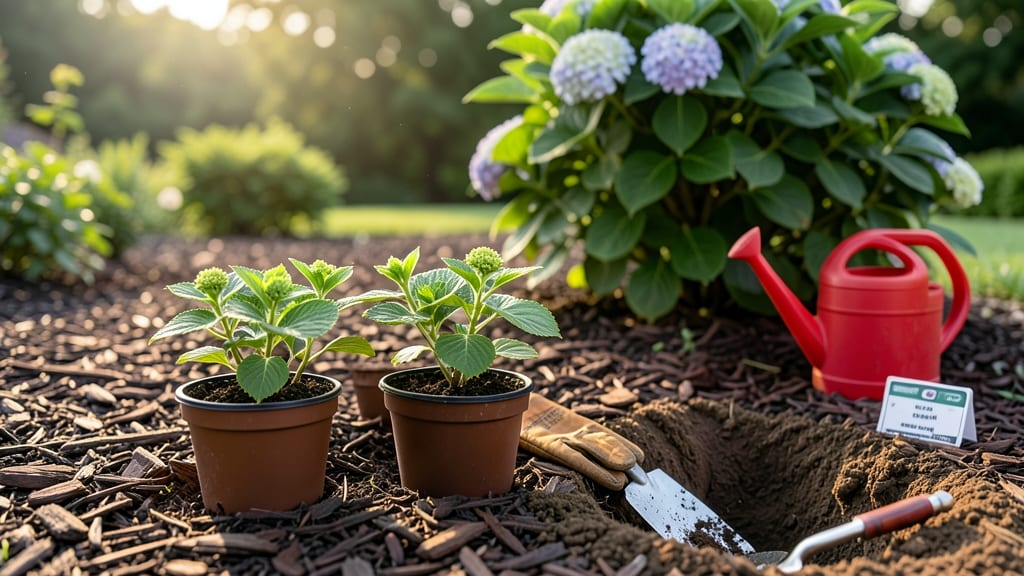
If you’ve ever wondered when is the best time to plant hydrangeas in Michigan, the answer starts with timing. Planting them at the wrong moment—whether in the scorching heat of June or the late frost of March—can mean the difference between vibrant blooms and a sad, shriveled shrub.
Michigan gardeners know the stakes: too early, and your hydrangeas will wilt under summer’s intensity; too late, and winter’s freeze will stunt their growth before they even take root.
The best time to plant hydrangeas in Michigan isn’t just about seasons—it’s about understanding your specific zone, soil temperatures, and even microclimates.
In this guide, I’ll break down the exact windows for spring and fall planting, tailored to Detroit, Grand Rapids, and the Upper Peninsula. You’ll learn how to prepare your soil, protect your plants from Michigan’s harsh winters, and avoid common mistakes that kill hydrangeas before they bloom.
Ready to turn your garden into a 🌸 hydrangea paradise? Let’s get started with the timing secrets that will make all the difference. Your future blooms will thank you.
Michigan hydrangea planting calendar by Zone: exact months for each variety
Michigan’s USDA zones 4-6 create unique challenges for hydrangea planting. The best time to plant depends on your location—whether you’re in Detroit (Zone 5b), Grand Rapids (Zone 6a), or the Upper Peninsula (Zone 4b).
Spring and fall offer ideal windows, but timing must align with soil temperatures (55–65°F) to prevent transplant shock. Let’s break it down by hydrangea type and zone.
For spring planting, aim for April through early June after the last frost (typically mid-April). In Zone 4b, wait until late April to avoid early frosts. Fall planting works best from September to early October, giving roots time to establish before winter.
Oakleaf hydrangeas, for example, thrive in Zone 5b when planted in May or September, while panicle types like ‘Limelight’ handle Zone 6a fall plantings better.
Soil temperature is critical. Use a soil thermometer to confirm it’s above 55°F before planting. In southern Michigan (Zone 6a), this usually means late April, while northern zones (4b) may need to wait until early June.
Hydrangeas planted in too-cold soil suffer from poor root growth, leading to stunted blooms or winter dieback.
Here’s how Michigan’s zones affect your planting schedule:
| Zone & Location | Best Planting Window | Soil Temp Threshold | Hydrangea Varieties | Key Notes |
|---|---|---|---|---|
| Zone 4b (Upper Peninsula) | Late May–Early June (spring) or Early Sept (fall) | 60–65°F | Oakleaf, Panicle (e.g., ‘Little Lime’) | Avoid early planting; mulch heavily for winter. |
| Zone 5b (Detroit, Lansing) | April–May (spring) or Sept–Oct (fall) | 55–60°F | Bigleaf, Smooth, Panicle | Spring planting yields faster blooms; fall planting reduces transplant shock. |
| Zone 6a (Grand Rapids, Kalamazoo) | April–June (spring) or Sept (fall) | 55–65°F | All types (including mophead) | Longer growing season allows earlier spring planting. |
Panicle hydrangeas (like ‘Annabelle’) are the most frost-tolerant and adapt well to Zone 4b if planted in late May.
Bigleaf varieties, however, need Zone 5b or warmer—plant them in May or September to avoid winter damage. Oakleaf hydrangeas are a Zone 4b favorite because their exfoliating bark adds winter interest, but they still need well-draining soil to prevent root rot.
If you’re in southern Michigan (Zone 6a), you can push the envelope with March plantings if you use row covers to protect young shoots. However, avoid planting in late fall (November)—roots won’t establish before freeze, leading to winter kill.
For container-grown hydrangeas, adjust timing by 2–3 weeks earlier in spring or 2 weeks later in fall to account for root ball stress.
Pro tip: Test your soil’s pH before planting. Hydrangeas thrive in acidic soil (pH 5.2–6.2). If your soil is alkaline (common in Michigan’s limestone-rich areas), amend it with sulfur or peat moss 4–6 weeks before planting.
This ensures blue or pink blooms (depending on variety) rather than greenish, lackluster flowers.
Once planted, mulch heavily (3–4 inches) with wood chips or straw to insulate roots. In Zone 4b, add an extra 2 inches of mulch in late fall to protect against sub-zero temperatures.
Water deeply once a week for the first month to encourage root spread, then taper to bi-weekly watering once established.
Timing isn’t just about the calendar—it’s about microclimates. A south-facing slope in Zone 5b may warm up faster than a north-facing yard, allowing earlier spring planting. Use these
How to extend hydrangea blooms in Michigan: pre-planting soil prep and post-winter care
Michigan’s cool, humid climate and alkaline soil can turn your hydrangeas into bloomless bushes if you don’t prep properly. The secret to year-round blooms starts with soil amendments and smart post-winter care.
I’ve learned that acidic soil (pH 5.2–6.2) is non-negotiable for vibrant colors, and mulching can mean the difference between a frost-killed shrub and a reblooming beauty.
Before planting, test your soil’s pH using a home test kit or send a sample to your local MSU Extension office. Michigan’s limestone-rich soil often skews alkaline, which locks out iron and phosphorus—key nutrients for blooms.
If your pH is above 6.5, amend the soil with sulfur or peat moss 4–6 weeks before planting. For blue blooms, aim for pH 5.2–5.5; for pink, pH 6.0–6.2.
Here’s my step-by-step soil prep