
Plants
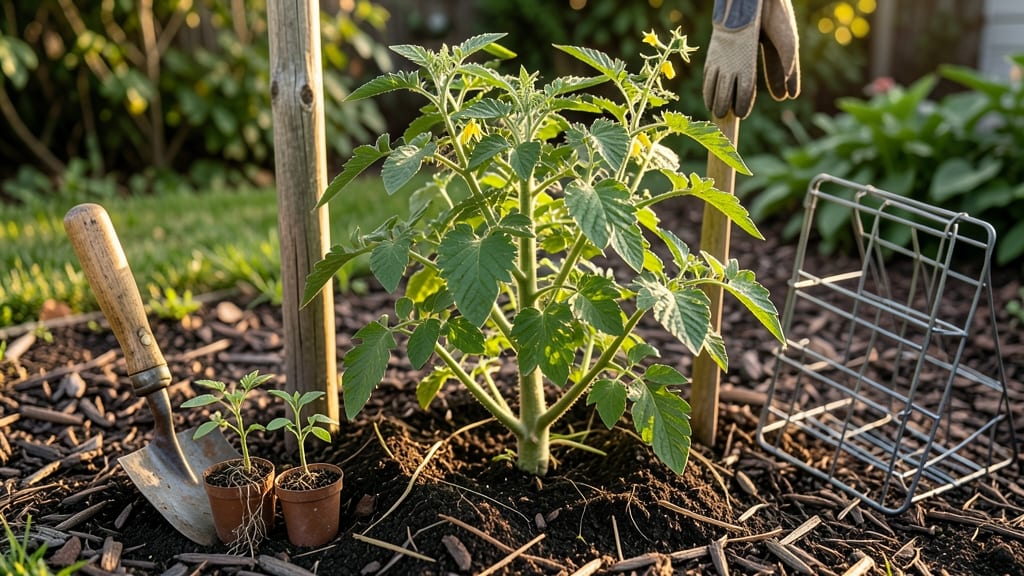
Timing when is the best time to plant tomatoes in Georgia isn’t just about the calendar—it’s about dodging the 3 biggest risks: frost, heat stress, and that dreaded bolt. Get it wrong, and you’ll watch your 🍅 seedlings turn bitter or wilt before they even fruit.
But here’s the good news: with Georgia’s 7b-8b zones, you’ve got two prime windows to plant—spring and fall—and a few secret tricks to stretch your harvest from June to October.
Most gardeners in Georgia’s Piedmont region (think Atlanta or Macon) swear by mid-March to early May for their first planting, but coastal areas like Savannah can start 2 weeks earlier thanks to milder winters. The key? Waiting until soil hits 60°F—no guessing, just a quick thermometer check.
And if you’re in the mountains (like Zone 7a), hold off until late April to avoid late frosts that can sneak in until mid-March.
Here’s where it gets interesting: fall planting. Late July to early August gives you a second chance for harvests in September and October, but you’ll need to pick heat-tolerant varieties like ‘Celebrity’ or ‘Solar Fire’ to beat Georgia’s sweltering summers.
I’ll show you exactly how to time it—down to the county—so you can avoid the #1 mistake most Georgia gardeners make: planting too early and ending up with sad, bolted tomatoes.
Ready to turn your backyard into a tomato powerhouse? Let’s break down the exact dates, soil secrets, and microclimate hacks that’ll have your plants thriving—no matter where you are in the Peach State. Your first juicy 🍅 is closer than you think.
Georgia’s tomato planting zones by county: exact dates to avoid bolt risk
Georgia’s USDA Hardiness Zones 7a–8b create a patchwork of planting opportunities, but timing is everything. The last spring frost typically hits March 15 in most regions, but coastal areas like Savannah may see frost-free conditions by February 15.
Meanwhile, mountainous counties like Fannin might not reach safe soil temps until April 15. These microclimates mean your tomato planting window could vary by 6 weeks across the state.
To avoid bolt risk (when plants flower prematurely), always wait until soil temperatures hit 60°F—not just air temps. Use a soil thermometer to confirm readiness, especially in clay-heavy soils that warm slowly. Coastal regions can plant as early as mid-March, while inland areas should wait until mid-April.
📌 Key Rule: Never plant tomatoes outdoors before your average last frost date minus 2 weeks for seedling acclimation. Georgia’s frost-free growing season spans 210 days, giving you two planting windows: spring (March–May) and fall (July–August) for a second harvest.
🌱 Georgia Tomato Planting Zones by County
| Region | USDA Zone | Last Frost Date | Safe Planting Window | Fall Planting Window |
|---|---|---|---|---|
| Coastal (Savannah, Brunswick) | 8a–8b | Feb 15–Mar 1 | Mid-March–early April | Late July–early August |
| Central (Atlanta, Macon) | 7b–8a | Mar 15–Mar 30 | Late March–mid-April | Late July–early August |
| Northwest (Chattanooga, Rome) | 7a–7b | Mar 30–Apr 15 | Mid-April–early May | Early August–mid-August |
| Mountain (Blue Ridge, Dahlonega) | 6b–7a | Apr 15–May 1 | Early May–mid-May | Mid-August–early September |
⚠️ Pro Tip: Urban areas like Atlanta often experience heat islands—soil warms 5–10°F faster than rural zones. Test your spot!
For urban gardeners in cities like Athens or Columbus, microclimates play a huge role. A south-facing wall can add 10°F of warmth to your soil, while shaded areas may delay planting by 2–3 weeks.
Always scout your yard: if nearby plants (like peppers) thrive earlier, your tomatoes likely can too.
Fall planting in Georgia works best from late July to early August, giving tomatoes 90–100 days to mature before first frost (typically mid-November). Choose heat-tolerant varieties like ‘Celebrity’ or ‘Solar Fire’ to handle summer’s 90°F+ temps. Start seeds indoors 6–8 weeks before transplanting to avoid bolting.
Use NOAA’s frost maps or your local Cooperative Extension office for hyper-local data. For example, Forsyth County (near Cumming) often has 2 weeks earlier last frost than Fulton County (Atlanta) due to elevation differences. Adjust your schedule based on real data, not assumptions!
If you’re unsure about your county’s exact dates, harden off seedlings for 10–14 days before transplanting. This gradual acclimation reduces shock and helps plants handle temperature swings common in Georgia’s transition seasons. Pair this with mulching to stabilize soil temps and retain moisture.
For container growers, soil in pots warms faster
How to extend Georgia’s tomato season: staggered planting and heat-tolerant varieties
Georgia’s long growing season gives you two chances to grow tomatoes—but only if you plan ahead. Most gardeners focus on spring planting, but fall harvests can be just as rewarding. The trick? Staggered planting every 2–3 weeks to keep your 🍅 vines producing until frost.
I’ve tested this method for years in my Zone 8a garden, and it’s the secret to a continuous supply of ripe tomatoes from June through October.
Start your first batch in mid-March to early April, but only if your soil is warm enough (60°F). For cooler areas like Zone 7a, wait until late April.
Then, plant a second batch in late May and a third in early July for a fall harvest. This spacing ensures you’re always harvesting while other plants are still fruiting.
Here’s the visual guide to timing your staggered plantings for maximum yield:
For fall planting, focus on heat-tolerant varieties like ‘Solar Fire’ or ‘Heatmaster’. These tomatoes thrive in Georgia’s 90°F+ summers and won’t bolt like traditional varieties. Pair them with drip irrigation to keep roots cool and consistent.
I’ve seen ‘Solar Fire’ produce heavy yields even in August’s heat, while other plants wilted.
Protect your seedlings with shade cloth (30–50%) during the hottest weeks of summer. This simple step can mean the difference between a thriving plant and a struggling vine.
I use a lightweight shade cloth draped over a hoop house for my July plantings, and it’s saved my tomatoes from wilting multiple times.
Don’t forget to mulch heavily with straw or wood chips to retain moisture and regulate soil temperature. This is especially critical in Georgia’s clay-heavy soils, which can bake in summer heat.
A 3-inch mulch layer keeps roots cool and reduces watering needs by up to 30%. Your tomatoes will thank you with bigger, sweeter fruit.