
Plants
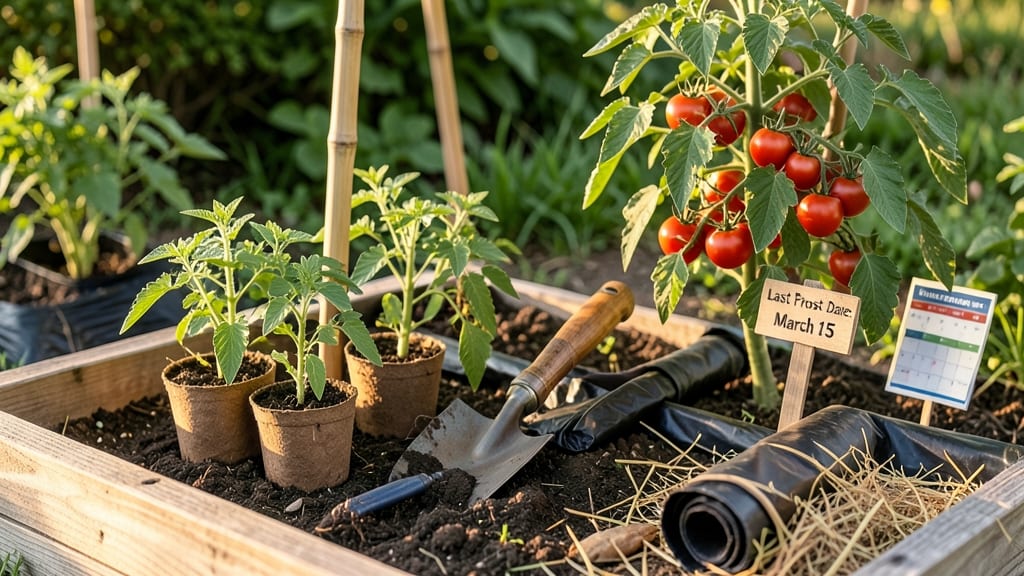
If you're dreaming of a bountiful harvest of juicy tomatoes in Oklahoma, timing your planting could mean the difference between a thriving garden and a sad, wilted disappointment.
The best time to plant tomatoes in Oklahoma isn't just about avoiding frost—it's about syncing with the state's unique climate shifts, from early spring warmth to brutal summer heat.
Most Oklahoma gardeners know the classic window—mid-April to early June—but that's just the starting point. What you might not realize is how soil temperature and microclimates (like urban heat islands) can shift your ideal planting date by weeks.
We're talking about the perfect balance between warm soil and cooler nights that give your seedlings the best shot at survival.
Here's the game-changer: Oklahoma's fall planting window (late July) often yields better results than spring for many varieties, especially heat-tolerant types that thrive when summer's worst is behind us.
I'll show you exactly how to read your local frost dates, adjust for your specific zone (6b-7a), and choose varieties that won't bolt in Oklahoma's unpredictable weather patterns.
Whether you're a first-time gardener or a seasoned green thumb, these insights will help you avoid the most common mistakes Oklahoma gardeners make—like planting too early when nighttime temps still dip below 50°F or ignoring soil temperature thresholds that can make or break your tomato plants.
Let's get your garden on the right track for a harvest that'll make your neighbors jealous.
Oklahoma’s optimal tomato planting timeline by region and last frost dates
Timing your tomato planting in Oklahoma means balancing frost risks with scorching summer heat. The state’s USDA Zones 6b-7a offer two prime windows: spring (after last frost) and late summer (for fall harvests).
Miss these windows, and you’ll face stunted growth or early blight from Oklahoma’s 90°F+ afternoons.
Oklahoma City and Tulsa typically see their last spring frost between March 15 and April 15, while rural areas like Altus or Lawton may push planting until mid-April. Always wait until soil temps hit 60°F—a soil thermometer is your best tool to avoid cold shock.
🌱
For direct sowing (planting seeds outdoors), Oklahoma gardeners should aim for mid-May to avoid frost damage. However, transplanting seedlings—purchased or home-grown—gives you a 2-week head start and is safer for Oklahoma’s unpredictable late frosts.
Fall planting is your secret weapon against summer’s intensity. Start seeds indoors in late June or transplant heat-tolerant varieties by late July. This lets tomatoes mature before first frost (October 15-November 15), giving you a second harvest when summer’s heat has subsided.
Urban gardeners in Oklahoma City or Tulsa may face microclimate challenges, like heat islands that trap warmth. If your yard stays 10°F+ warmer than rural areas, consider shade cloth during peak afternoons or dwarf varieties like ‘Tiny Tim’ to reduce stress.
Always check Oklahoma State University Extension’s frost maps for real-time updates. Their 2023-2024 data shows Norman’s last frost crept into mid-April in 3 of the last 5 years—proof that Oklahoma’s weather defies averages.
🌿
If you’re container gardening, adjust your timeline by 2 weeks earlier—pots warm up faster. But avoid planting before May 1 unless you’re using heat mats or a greenhouse to maintain 60°F soil temps.
Containers also dry out 3x faster in Oklahoma’s wind, so self-watering systems are a must.
🌡️
How to prepare Oklahoma soil for tomatoes: testing, amending, and heat-resistant varieties
Oklahoma’s clay-heavy soils can be a double-edged sword for tomato growers. While they hold moisture well, they often compact easily and drain poorly—leading to root rot if not amended properly.
The key to success is transforming your native soil into a well-draining, nutrient-rich growing medium that mimics the loamy texture tomatoes crave. Start by testing your soil’s pH and organic matter levels at least 4-6 weeks before planting, as amendments take time to integrate.
Most Oklahoma soils fall into the 6.0-7.5 pH range, but tomatoes thrive in slightly acidic conditions between 6.2-6.8. If your soil tests higher, mix in sulfur or peat moss to lower the pH gradually.
For sandy soils common in western Oklahoma, add compost or aged manure to improve water retention. My go-to amendment blend includes equal parts compost, coconut coir, and perlite to create air pockets for roots.
Don’t overlook mulching—this isn’t just about weed control. A 3-4 inch layer of straw or wood chips keeps soil temperatures stable (critical in Oklahoma’s heat), reduces evaporation, and prevents soil-borne diseases from splashing onto leaves.
For urban gardens where heat islands raise soil temps prematurely, consider black plastic mulch to warm the soil faster in spring.
Heat-Tolerant Tomato Varieties for Oklahoma
Days to Maturity: 70-75
Pros: Disease-resistant, reliable in heat
Days to Maturity: 65-70
Pros: Thrives at 95°F+, early producer
Days to Maturity: 65-70
Pros: Heat-tolerant, great for containers
Days to Maturity: 75-80
Pros: Disease-resistant, productive in heat
One mistake I’ve seen Oklahoma gardeners make is over-fertilizing with nitrogen early in the season. While lush foliage looks impressive, it diverts energy from fruit production. Instead, use a balanced 10-20-10 NPK fertilizer at planting, then switch to a lower-nitrogen formula (5-10-10) once flowers appear.
Side-dress with compost mid-season to provide slow-release nutrients without burning roots.
For container growers in Oklahoma’s urban areas, choose determinate varieties like ‘Patio’ or ‘Tiny Tim’ that stay compact. Use self-watering pots with drainage holes and fill them with a mix of 50% potting soil, 30% compost, and 20% perlite.
Remember: containers dry out 3x faster than in-ground beds, so check moisture daily during Oklahoma’s dry spells.
Your soil prep doesn’t end at planting day. Monitor for soil compaction—especially after heavy rains—and aerate with a garden fork if the surface feels hard. In late summer, add a layer of compost tea to replenish microbes depleted by heat stress.
With these adjustments, your Oklahoma tomato beds will be ready to support plants that thrive despite the state’s extreme climate swings.