
Plants
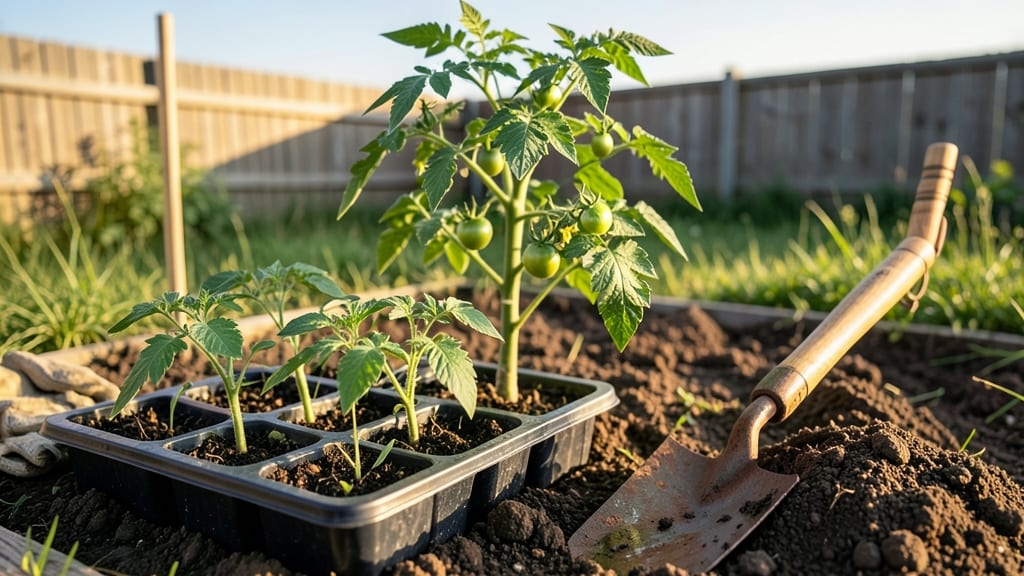
The best time to plant tomatoes in Tennessee isn’t just about the calendar—it’s about outsmarting your local microclimate. Whether you’re in the Appalachian foothills or the Nashville heat zone, planting too early or late can mean the difference between a bountiful harvest and wasted effort. With frost dates shifting by weeks across the state, knowing your exact window is the key to success.
Most Tennessee gardeners follow the general rule of waiting until April 15 to May 15, but that’s just the starting point. Your county’s last frost date, soil temperature, and even nearby hills or urban heat pockets can push your ideal planting window by 2-3 weeks.
Let’s break down how to pinpoint your perfect moment—plus how to adjust for late starts or early heat waves.
You’ll discover which tomato varieties thrive in Tennessee’s short growing season, how to prep your soil for faster warming, and when to use row covers or black plastic to extend your planting window.
We’ll also cover how to read your local microclimate clues, from morning dew patterns to nearby water bodies that affect temperature.
By the end, you’ll have a customized planting timeline for your Tennessee county—so you can skip the guesswork and start growing juicy, homegrown 🍅 all summer long. Ready to get started?
Tennessee county-by-county tomato planting deadlines: frost-free dates and heatwave risks
Tennessee’s USDA Zones 6a-7b create wildly different tomato planting windows—what works in Memphis (Zone 7b) can fail in Bristol (Zone 6a). The key? Last frost dates plus a 10-day heatwave buffer to avoid early summer’s brutal heat.
Most counties fall between April 15 and May 15, but urban areas like Nashville run 2 weeks later due to heat islands.
For East Tennessee mountains (e.g., Sevier, Cocke counties), aim for April 20-May 5—cooler nights delay soil warming. Meanwhile, West Tennessee’s Delta region (e.g., Shelby, Tipton) can plant as early as April 1 if nighttime temps stay above 50°F.
Always verify with your local Ag Extension office—their frost data trumps generic zone maps.
Here’s the critical rule: Never plant tomatoes until soil temps hit 60°F and nighttime lows exceed 50°F. Cold soil stunts roots, while premature heat stresses seedlings. Use a soil thermometer—$10 at garden centers—to avoid guesswork.
Pro tip: West Tennessee gardeners can cheat the system by starting seeds indoors 6-8 weeks before last frost (late January) and transplanting hardened-off seedlings. For East Tennessee’s shorter seasons, prioritize early-maturing varieties like ‘Early Girl’ (60 days) over ‘Brandywine’ (85 days).
Heatwaves are Tennessee’s silent harvest killer. If your area’s average July high exceeds 90°F, opt for heat-tolerant varieties (e.g., ‘Solar Fire’, ‘Heatmaster’) and mulch heavily to retain moisture. Black plastic mulch can raise soil temps by 5-10°F, extending the growing season by 2-3 weeks.
For urban gardeners, microclimates matter more than zip codes. A south-facing wall can add 2 weeks to your planting window, while shaded patios may require container growing with extra heat protection. Always scout your site for 3+ days before planting to assess heat exposure.
Remember: Tennessee’s first frost typically arrives October 15-30, but mountain areas (e.g., Great Smoky Mountains) can see frost as early as September 20. Plan accordingly—indeterminate varieties need full-season support, while determinate bushes can handle shorter windows.
🌱
How to adjust planting time for Tennessee microclimates: urban heat islands, river valleys, and mountain slopes
Tennessee’s microclimates can shift your tomato planting window by 2-3 weeks—even within the same county. Urban areas like Nashville trap heat, while mountain valleys in East Tennessee stay cooler longer.
Learning to read these local clues helps you plant at the perfect moment for your specific spot, not just your ZIP code.
For example, a garden in downtown Memphis might experience urban heat island effects, warming soil faster than rural areas just 10 miles away. Meanwhile, Chattanooga’s mountain slopes can delay soil warming by weeks compared to the city’s river valleys.
Adjusting your planting schedule based on these factors ensures your tomatoes thrive from day one.
Here are 5 key signs your microclimate is warmer than the USDA zone suggests, plus actionable adjustments to fine-tune your planting time:
- 1 Soil warms faster than your neighbors’—test with a soil thermometer (ideal: 60°F+ for planting).
- 2 Morning frost disappears by 10 AM instead of midday—your area warms quickly.
- 3 Nearby water bodies (lakes, rivers) create humidity that traps heat—plant 1-2 weeks later than rural areas.
- 4 Urban pavement or dark roofs nearby raise temperatures—delay planting by 7-10 days to avoid heat stress.
- 5 Seedlings sprout faster in your garden than in seed trays indoors—a sign your microclimate is warmer than average.
If your microclimate runs hotter than average, consider these soil-warming hacks to jumpstart your season:
Lay black plastic mulch 2-3 weeks before planting to raise soil temperatures by 5-10°F. This is especially useful in East Tennessee’s cooler valleys or late-spring frost pockets. Pair it with row covers for an extra 2-3°F boost during chilly nights.
For urban heat islands, delay planting by 1-2 weeks and use shade cloth (30%) during the hottest afternoon hours to protect young plants. Water deeply in the early morning to cool the soil and reduce stress. These tweaks help you outsmart Tennessee’s climate quirks and extend your harvest window.
Pro tip: Start seedlings indoors 6-8 weeks before your county’s last frost date if your microclimate is on the cooler side. This gives you a head start and ensures your plants are ready to hit the ground running once soil temperatures stabilize.
With these adjustments, you’ll turn Tennessee’s microclimate challenges into a harvest advantage. ✂️