
Companion Plants
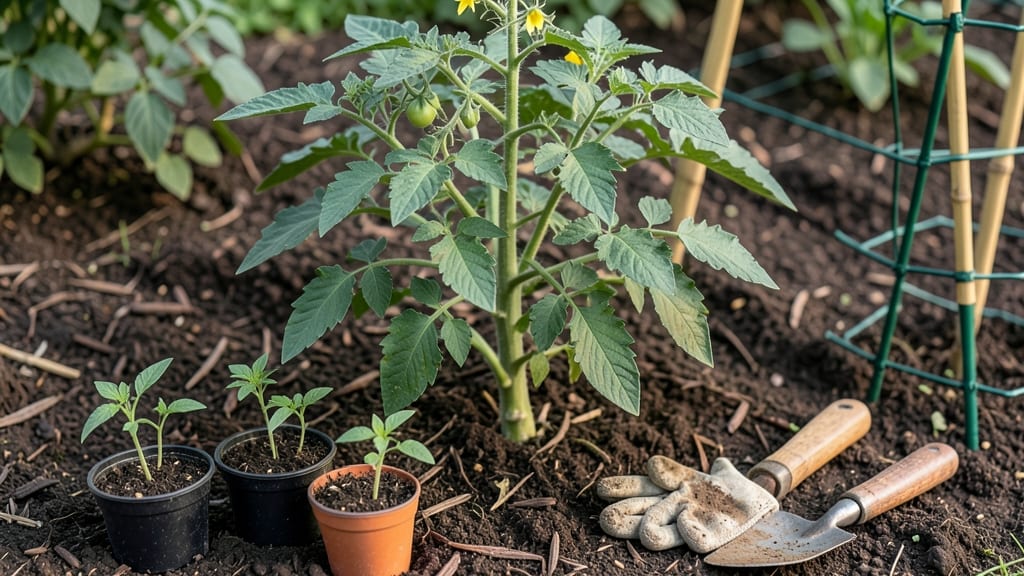
When should I plant tomatoes in Tennessee? Timing your tomato planting in Tennessee isn’t just about waiting for spring—it’s about dodging the 3 biggest risks to your harvest: frost damage, stunted growth, and the dreaded bolt. With last frost dates swinging from March 20 in Memphis to April 15 in Nashville, one wrong move could turn your 🍅 seedlings into sad, flowering stalks before they’ve even had a chance to thrive.
Here’s the game-changer: Planting your tomatoes too early means chilly nights will shock them into bolting (that’s gardener-speak for “suddenly flowering and fruiting too soon”). But wait too long, and you’ll miss the 60-day window needed for most varieties to mature before Tennessee’s first frost in October.
The key? Soil temps must hit 60°F and stay there—no guessing, just science.
In this guide, I’ll break down the exact planting windows for your Tennessee microclimate, whether you’re in the humid Lowlands or the cooler Appalachian foothills. You’ll learn how to adjust for urban heat islands, mountain valleys, and even late-July fall plantings that can still yield tomatoes by September.
No more wasted seeds or bolted plants—just a reliable calendar tailored to your backyard.
Ready to turn your tomato dreams into a juicy reality? Let’s dive into the 3 critical timing tricks that’ll keep your plants growing (not bolting) and your harvests coming all season long.
Tennessee’s tomato planting Zones: last frost dates by region (2024 guide)
Tennessee’s diverse climate—from the Appalachian Mountains to the Mississippi Delta—means last frost dates vary wildly.
In Memphis (Zone 7b), you might plant as early as March 20, while Nashville (Zone 7a) waits until April 15, and Bristol (Zone 6b) often sees frost until May 1. These differences can mean the difference between bolt-resistant plants and failed harvests.
Microclimates add another layer: Urban heat islands in Nashville can warm soil faster, while valley frost pockets in the Smokies delay planting by weeks. Always check your local USDA zone and monitor soil temperatures—60°F (15°C) is your minimum safe threshold for transplanting.
🌱 Pro Tip: Use a soil thermometer and wait until nighttime temps stay above 50°F (10°C) for 5+ consecutive days to avoid cold shock.
| Region | USDA Zone | Avg. Last Frost | Plant Window | Bolt Risk |
|---|---|---|---|---|
| Memphis | 7b | March 20 | Mid-March to early May | Low (if soil warmed) |
| Nashville | 7a | April 15 | Late April to early June | Moderate (watch for late frosts) |
| Chattanooga | 7a | April 5 | Late April to early June | Low (urban heat helps) |
| Knoxville | 6b | April 20 | Late April to mid-June | High (late frosts common) |
| Bristol | 6b | May 1 | Early May to late June | Very High (mountain delays) |
🌡️ Key: Bolt risk increases with early planting before soil warms.
For fall varieties, aim to plant transplants by late July in southern TN (Zones 7a-7b) or early August in cooler areas (Zones 6a-6b). This gives plants 60-70 days to mature before the first frost (typically mid-October). Use black plastic mulch to extend the season by 2-3 weeks.
If you’re starting seeds indoors, begin 6-8 weeks before your last frost date. For example, Nashville gardeners should start seeds by March 1 to transplant by April 15. Seedlings need 12-16 hours of light daily—use a grow light if natural light is insufficient.
🌱 Regional Hack: In Zone 6b (e.g., Knoxville), use row covers to plant 2 weeks earlier and protect against late frosts. Remove covers once flowers appear to prevent heat stress.
Always harden off seedlings for 7-10 days before transplanting. Acclimate them to wind, sun, and temperature swings by gradually exposing them outdoors during the day and bringing them in at night. This reduces transplant shock by 50%.
For container gardening, choose 5-gallon pots or larger to prevent root-bound stress. Move containers to warmer microclimates (like south-facing patios) during cool spells. Containers also let you
How to avoid tomato bolting: 3 critical timing tricks for Tennessee gardeners
Tennessee’s unpredictable spring weather can trick tomatoes into premature flowering—a gardener’s nightmare called bolting. When this happens, your plants skip the vegetative growth stage and produce bitter, undersized fruit.
The key to preventing bolting lies in soil temperature, transplant timing, and microclimate awareness specific to your Tennessee region.
Bolting occurs when tomato seedlings sense consistent warm soil (above 60°F) and long daylight hours too early. In Tennessee, this often happens in late April or early May, especially in urban heat islands like Nashville or Memphis.
The solution? Delay planting until nighttime temperatures stay above 50°F (10°C) and soil warms to 60°F (15°C)—usually mid-May for most of the state.
- 🌡️ Use a soil thermometer—plant only when soil hits 60°F (15°C) at 2-inch depth. Cold soil delays growth and reduces bolt risk.
- 🌿 Hardening off seedlings for 7–10 days before transplanting. Gradually expose them to TN’s fluctuating temps (day/night swings) to build resilience.
- 🏙️ Adjust for your microclimate:
- Urban areas (Nashville, Memphis): Wait until May 15–20 (heat islands warm faster).
- Mountain valleys (Chattanooga, Knoxville): Aim for May 25–June 1 (cooler nights delay bolting).
For gardeners in Tennessee’s shorter seasons (e.g., Zone 6a), consider container gardening with black pots. These absorb heat faster, giving you a 2–3 week head start on soil warming.
Place containers in full sun and use row covers at night to protect seedlings from late frosts (common until May 10 in most areas).
Another pro tip: Choose bolt-resistant varieties like ‘Mountain Merit’ or ‘Celebrity’, which tolerate temperature swings better than heirlooms. Pair them with shade cloth (30–50%) during 90°F+ days to slow maturation and extend the growing season. This works especially well for fall-planted tomatoes (late July) in Tennessee’s Zone 7a–8a regions.
If you’ve already planted too early and see flower buds forming, don’t panic. Prune the first flowers to redirect energy to leaf and stem growth. This buys you 2–3 weeks to adjust soil conditions (add compost, mulch heavily) before bolting becomes irreversible.
Monitor your plants closely—Tennessee’s humidity can accelerate bolting, so keep an eye on leaf curl or stretched stems as early warning signs.
Timing isn’t just about the calendar—it’s about reading your garden’s signals. By mastering these tricks, you’ll turn Tennessee’s volatile spring into your tomato-growing advantage, not a liability. Start with soil temperature, harden off carefully, and let your microclimate guide you. Your juicy, vine-ripened tomatoes will thank you! 🍅