
Trees
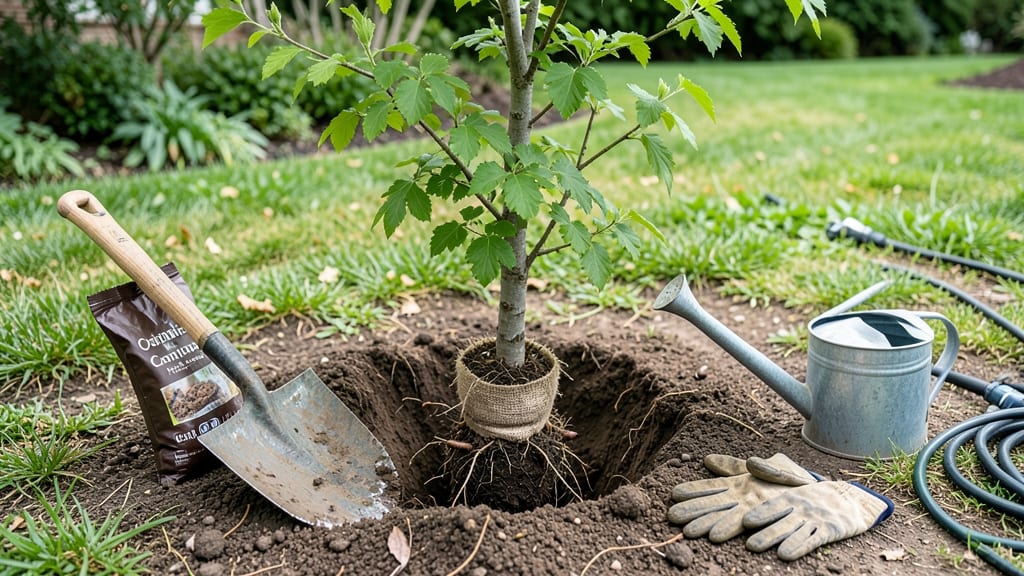
When is the best time to plant the trees in Colorado? If you get the timing wrong, your hard work could turn into a sad, frozen memory by next winter. But nail the window, and you’ll set your tree up for a lifetime of strong roots and resilience against the state’s dramatic elevation shifts and unpredictable frost cycles.
Most gardeners assume spring is the only window, but Colorado’s climate actually offers two prime opportunities: late winter to early spring (March-April) and early fall (September-October). The key? Soil warmth and frost-free deadlines that vary wildly from the Front Range to the Western Slope.
I’ll break down exactly when to plant based on your elevation zone—because a tree that thrives in Denver’s 5,000-foot heat islands won’t survive the same timing in 8,000-foot mountain towns. Plus, we’ll cover species-specific tricks for everything from drought-resistant pines to moisture-loving aspens.
Ready to plant with confidence? Let’s dive into the science behind Colorado’s planting windows and how to adjust for your microclimate—so your tree grows like it’s been there for decades, not weeks.
Colorado’s frost-free planting windows by elevation Zone (with exact dates)
Colorado’s dramatic elevation shifts—from 6,000 feet in Denver to 14,000 feet in the Rockies—create wildly different planting windows. The USDA hardiness zones 5-8 here mean your Front Range neighbors might plant in March, while high-altitude gardeners wait until May.
Soil temperature is your best guide: aim for 50°F+ for 10+ consecutive days before planting.
Timing matters because young trees need 6-8 weeks to establish roots before winter. Plant too early, and frost will kill tender roots. Too late, and your tree struggles to harden off before cold snaps.
Colorado’s last frost dates vary by zone—Denver (Zone 5b) averages April 15, while Colorado Springs (Zone 6a) sees frost until May 1.
Fall planting is equally critical. In September-October, soil stays warm enough for root growth, but nights cool to 40°F+, signaling dormancy. This two-month window (Sept 15-Oct 15) is ideal for container-grown trees and bare-root saplings in lower elevations.
Here’s how Colorado’s three major regions break down for optimal planting:
| Region | Elevation Range | USDA Zone | Spring Planting Window | Fall Planting Window | Soil Temp Threshold |
|---|---|---|---|---|---|
| Front Range (Denver, Boulder) | 5,000–7,000 ft | 5b–6a | March 15–April 30 | September 15–October 15 | 50°F+ for 10 days |
| Western Slope (Grand Junction, Durango) | 4,500–6,500 ft | 6b–7a | April 1–May 15 | October 1–November 1 | 55°F+ for 7 days |
| High Plains (Pueblo, Fort Collins) | 4,000–6,000 ft | 5a–6b | April 1–May 10 | September 1–October 10 | 50°F+ for 14 days |
| Mountain Zones (Aspen, Vail) | 7,000–9,000 ft | 4b–5a | May 1–June 1 | August 15–September 15 | 55°F+ for 10 days |
Pro Tip: Use a soil thermometer to confirm readiness. In Denver, for example, March soil temps can fluctuate between 35°F and 60°F—wait for consistency. For container-grown trees, you have 2 extra weeks of flexibility in spring or fall compared to bare-root saplings.
Evergreens like blue spruce need extra caution. Their needles transpire year-round, so plant them 2-3 weeks earlier in spring to avoid winter desiccation. Deciduous trees (e.g., quaking aspen) are more forgiving and can handle later spring plantings if soil is workable.
Colorado’s High Plains (Pueblo, Greeley) often see earlier last frosts than the Front Range due to lower humidity. Check your local CoCoRaHS station for hyper-local data—some years, Pueblo’s frost date shifts by 10 days from the average. Adjust accordingly!
Fall planting is especially rewarding in Zone 6b+ (Western Slope). Trees planted in late September take advantage of warm soil while avoiding summer’s 100°F+ heat. Mulch heavily (4–6 inches) to insulate roots during October’s first frost.
Remember: Bare-root trees must be planted before buds swell in spring (usually March–early April). Container-grown trees, however, can go in until October 15 in most zones—just water them deeply before the first hard freeze (below 25°F).
🌳
How to adjust planting timing for Colorado’s microclimates (dry heat vs. late snow)
Colorado’s microclimates can make all the difference between a thriving tree and a struggling sapling. For example, Denver’s urban heat islands (USDA Zone 5b-6a) often see earlier last-frost dates than mountain towns like Aspen (Zone 4b-5a), where late snow can linger until June 1.
Adjusting your planting window based on these variations is key to success.
In low-elevation areas (5,000–6,500 ft), like the Front Range, aim for late March to mid-April for spring planting. These zones warm up faster, but watch for late frost risks—especially if you’re planting moisture-loving species like willows or cottonwoods.
For high-altitude zones (7,500–9,000 ft), delay until mid-to-late April when soil temperatures consistently stay above 50°F for 10+ days.
Fall planting offers another window, but timing shifts dramatically. In dry, windy plains (e.g., Pueblo), plant drought-resistant species like ponderosa pines or Russian olives in early-to-mid September to let roots establish before winter.
Meanwhile, in mountain valleys (e.g., Vail), wait until late September to October when first frosts are 6+ weeks away.
🌡️ Microclimate Planting Adjustments
- Plant bare-root trees in late winter (Feb–March) for high-altitude zones (soil thaws slower).
- Choose drought-tolerant species (e.g., blue spruce, hackberry) for windy plains and plant in early fall.
- Use mulch (3–4 inches) in urban heat islands to retain moisture during spring planting.
- Monitor soil temperature with a probe—wait until it’s 50°F+ for 10+ days.
- Plant moisture-loving trees (e.g., birch, maple) in dry microclimates without extra watering.
- Ignore late-spring frost warnings—even Denver can see frost in May.
- Skip root zone protection in windy areas (use burlap windbreaks).
- Plant container-grown trees in freezing soil—wait for consistent daytime temps above 60°F.
For container-grown trees, flexibility increases—you can plant throughout the growing season (April–October), but avoid extreme heat or cold. In Denver’s urban core, where pavement radiates heat, opt for shade-tolerant species like serviceberry or honeylocust and plant in early spring or late fall to avoid heat stress.
Pro tip: Test your soil’s moisture before planting. In dry microclimates, amending with compost or organic matter improves water retention. For high-altitude sites, consider slow-release fertilizers to support root growth during Colorado’s short growing season.
Remember, local nurseries know best—ask about last-frost dates specific to your neighborhood. With these adjustments, your tree will establish roots like it’s been there for years, not weeks. 🌳