
Trees
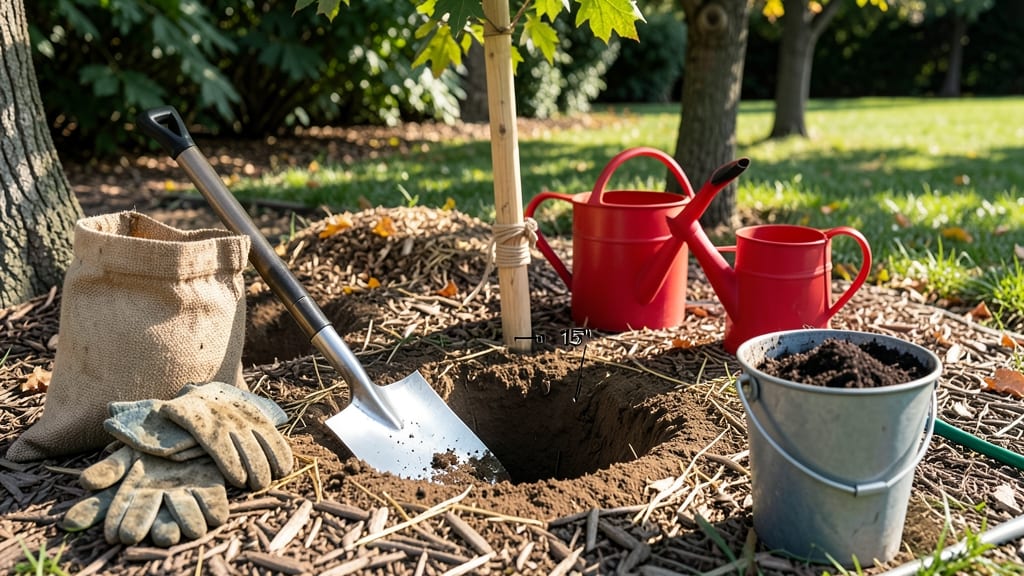
Planting a 🌳 Tree (General) in Missouri at the wrong time can mean struggling with stunted growth or even losing your investment before it ever takes root. The key to success? Timing it right—whether you're in St. Louis or Kansas City—so your new tree thrives for decades.
Missouri’s climate gives you two prime windows: early spring and fall, when temperatures are mild and soil is workable. But here’s the catch: planting too early risks frost damage, while waiting too long can leave your tree vulnerable to winter stress.
Let me break down the exact months that work best for your hardiness zone.
You’ll discover how to prep your soil, choose the right tree for your season, and avoid common pitfalls that even experienced gardeners fall into. Whether you’re planting a fast-growing shade tree or a long-lived oak, these tips will help you get it right the first time.
Ready to turn your yard into a lush, healthy landscape? Let’s dive into the best times to plant trees in Missouri—so you can enjoy a thriving canopy without the guesswork.
Missouri’s frost-free planting windows by hardiness zone (with exact months)
Missouri’s planting seasons hinge on USDA hardiness zones 5a–7a, where fall and spring offer the best windows for tree success. The key? Avoiding frost heave (when soil freezes and lifts roots) and giving roots time to establish before winter.
Here’s your zone-by-zone breakdown with exact months to plant for maximum survival and growth.
Most of Missouri falls into zones 5b–6b, with northern areas (like St. Joseph) in 5a and southern regions (like Poplar Bluff) reaching 7a.
The last spring frost typically arrives by mid-April in the north and late March in the south, while the first fall frost hits early November in the north and mid-November in the south.
For bare-root trees, aim for dormant seasons—either late fall (October–November) or early spring (March–April). Container-grown trees, however, are more flexible and can be planted year-round, except in extreme heat or cold. The 6-week window before frost is critical for root establishment, so plan accordingly.
Pro Tip: Use Missouri’s historical frost dates as your guide. Check the Missouri State Climate Office for your specific county’s averages, as microclimates (like urban heat islands) can shift frost dates by 1–2 weeks.
| Zone | Best Planting Months | Last Frost | First Frost | Notes |
|---|---|---|---|---|
| 5a (Northwest MO) | April–May, September–October | Mid-April | Early November | Coldest zone; prioritize cold-hardy species like bur oak or honey locust. |
| 5b (Central MO) | March–April, September–October | Late March | Mid-November | Ideal for redbud and dogwood; avoid planting in June–August. |
| 6a (St. Louis Area) | March–May, September–November | Early April | Late October | Urban areas may have warmer microclimates; extend fall planting to early November. |
| 6b (Southwest MO) | February–April, September–November | Late March | Mid-November | Perfect for fast-growing trees like silver maple or sycamore. |
| 7a (Southeast MO) | February–May, September–December | Early March | Early December | Longest growing season; can plant container trees in winter if soil isn’t frozen. |
If you’re planting in fall, focus on September–October to give roots time to harden off before winter. In spring, wait until after the last frost (usually mid-April) to avoid frost damage to new shoots.
For container-grown trees, you can plant up to 2 weeks before the first frost, as their roots are less vulnerable.
Missouri’s clay-heavy soils can slow drainage, so amend with compost or sand before planting. In urban areas, like Kansas City or St. Louis, sidewalks and buildings create microclimates that may delay frost by 1–2 weeks. Adjust your planting timeline accordingly.
Evergreen trees, like arborvitae or pine, need extra care in Missouri’s winters. Plant them in early fall (by October) to avoid winter desiccationoak or maple, are more forgiving and can handle late fall or early spring planting.
For bare-root trees, soak roots in water for 1–2 hours before planting to rehydrate them. If you’re planting in summer (not recommended), choose container-grown trees and water daily for the first 2 weeks to reduce transplant shock.
Missouri’s variable weather means always check a 7-day forecast before planting. If a hard freeze is predicted within 2 weeks of planting, delay until spring. With the right timing, your trees will thrive for <
Best tree varieties for Missouri planting seasons (fast-growing vs. slow-maturing)
Missouri’s diverse climate means some trees thrive in spring while others prefer fall planting. Fast-growing varieties like silver maple or green ash establish quickly in spring, while slow-maturing trees like white oak benefit from fall’s cooler temps. Let’s match your goals to the right season and species.
For spring planting, prioritize trees that tolerate Missouri’s clay-heavy soils and occasional drought. Fast growers like sycamore or hackberry shoot up 3–5 feet yearly, perfect for quick shade. Evergreens such as eastern red cedar also handle spring’s moisture well, though they prefer well-draining spots.
Fall planting, however, suits slow-maturing trees like bur oak or sugar maple. These varieties establish deep roots before winter, reducing transplant shock. Missouri’s USDA zones 5b–7a allow fall planting until mid-November, giving roots time to harden before frost.
| Variety | Best Planting Season | Growth Rate | Soil Needs |
|---|---|---|---|
| Silver Maple | Spring | Fast (3–5 ft/year) | Moist, tolerates clay |
| White Oak | Fall | Slow (1–2 ft/year) | Well-draining, acidic |
| Green Ash | Spring or Fall | Moderate (2–3 ft/year) | Adaptable, drought-tolerant |
| Eastern Red Cedar | Spring | Slow to moderate (1–2 ft/year) | Well-draining, sandy |
Drought-resistant picks like hackberry or sycamore are ideal for Missouri’s urban areas, where watering may be limited. These trees handle heat stress better than moisture-loving species like willow oak, which needs consistent watering for the first 2 years.
For urban landscapes, consider dwarf varieties like Japanese maple (fall planting) or dwarf apple (spring). These fit small yards but still deliver seasonal interest. Always check mature sizes—even dwarf trees can outgrow their spots in 10–15 years.
Pro tip: Bare-root trees planted in fall need extra mulch (3–4 inches) to insulate roots. Container-grown trees, however, can go in spring or fall—just water deeply after planting to settle soil around roots.
Missouri’s microclimates (e.g., St. Louis vs. Kansas City) can shift ideal planting by 2–4 weeks. Check local frost dates—St. Louis’s last frost is often April 15, while northern Missouri may wait until May 1. Adjust accordingly!