
Companion Plants
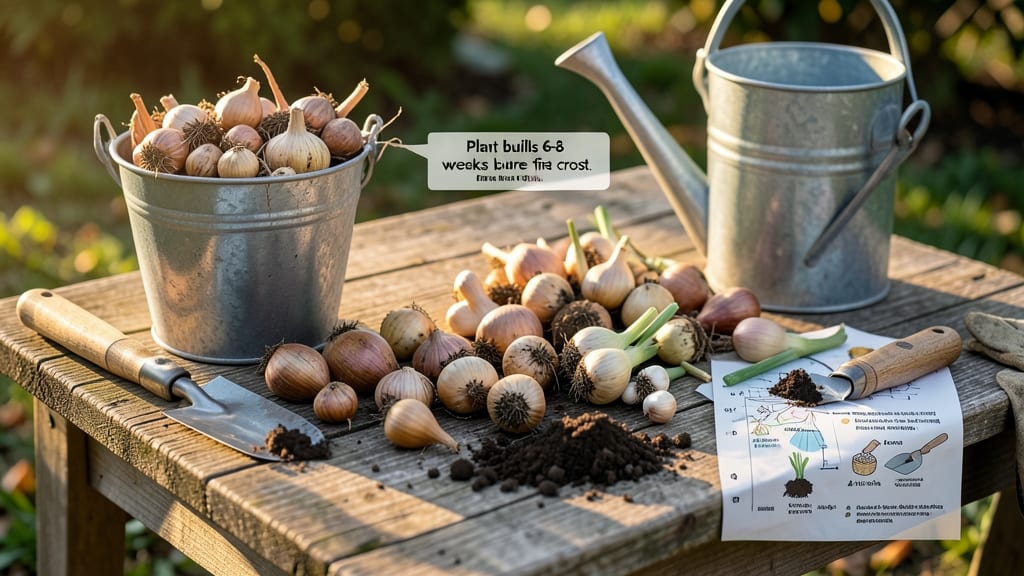
Timing your fall bulb planting correctly is the difference between a garden bursting with spring color and a sad, frozen investment.
In Zone 6a, where I garden, the window is narrow—just 6-8 weeks before frost—but getting it right means your 🌱 tulips and daffodils will thrive while others fail.
Most gardeners assume "late fall" means November, but that’s a risky guess. The truth? Your bulbs need 4-6 weeks to establish roots before the ground freezes solid. Plant too early, and they’ll rot; too late, and frost will damage them before they’re ready.
I’ve learned the hard way—let me save you from the same mistakes.
What you’ll discover here is the exact month-by-month schedule for your zone, plus soil prep secrets that make all the difference. Whether you’re a first-time planter or a seasoned gardener, these tips will help you avoid common pitfalls and set your bulbs up for a vibrant spring show.
Ready to turn your fall planting into a foolproof success? Let’s dive into the science—and my personal shortcuts—to get your bulbs in the ground at the perfect time.
Fall bulb planting months by USDA hardiness zone (exact schedule)
Timing your fall bulb planting is the secret weapon for spring blooms that steal the show. The ideal window is 6-8 weeks before your first frost, but this translates differently depending on your USDA zone.
In Zone 3, you’ll plant in early September, while Zone 10 gardeners can wait until December. Let’s break down the exact months for each zone to avoid the frost-freeze disaster.
Most bulbs—like tulips, daffodils, and hyacinths—need 4-6 weeks of root growth before winter sets in. If planted too early, they’ll rot in soggy soil; too late, and they won’t establish roots before freezing.
The soil temperature should hover around 60°F (15°C) for optimal planting. Use a soil thermometer to check if you’re unsure.
Here’s your zone-by-zone planting schedule, including adjustments for early vs. late fall in northern vs. southern climates:
| Zone | Ideal Planting Month | Soil Temp Goal | Notes |
|---|---|---|---|
| 3-4 | Early September | 60°F (15°C) | Plant Siberian squill or snowdrops for cold tolerance. |
| 5-6 | Mid-September to early October | 55°F (13°C) | Classic tulips and daffodils thrive here. |
| 7-8 | October to early November | 50°F (10°C) | Extend to late November if mild winters. |
| 9-10 | November to December | 45°F (7°C) | Try rain lilies or spider lilies for frost-free zones. |
For northern climates (Zones 3-6), aim to finish planting by mid-October to avoid frost heave—when bulbs push up and crack due to freeze-thaw cycles. In southern zones (7-10), you can plant later, but avoid wet soil in winter, which causes rot.
If your area has unpredictable frost dates, use a frost calendar or local extension service for guidance.
Pro tip: If you’re in Zone 5 or colder and miss the window, you can plant in early spring (March-April) for late-summer blooms, though results may vary. Crocuses and snowdrops are exceptions—they handle early planting better than tulips or hyacinths.
Once you’ve nailed the planting month, focus on soil prep. Loosen the soil to 12 inches deep, mix in compost, and avoid fresh manure—it burns bulbs. For heavy clay soil, add sand or perlite to improve drainage. Well-draining soil is non-negotiable for bulbs.
After planting, water deeply to settle the soil, then mulch with straw (2-3 inches) to insulate roots. In Zone 3-4, add an extra layer of mulch in late fall to protect against severe cold snaps. Skip the mulch in Zone 9-10—it can cause rot in mild winters.
Remember: Bulbs need cold to bloom. If you live in a warm-winter zone (8-10), choose tropical bulbs like cannas or dig up and store traditional bulbs indoors until spring. For most gardeners, though, fall planting = spring magic.
5 Critical signs you’re planting too early or late (and how to fix it)
Planting bulbs at the wrong time can turn your spring dreams into a frozen disappointment. Too early, and your bulbs rot in soggy soil; too late, and they won’t establish roots before winter.
Here are the 5 red flags that signal you’ve missed the window—and how to salvage your bulbs before it’s too late.
First, watch for soil temperature. If your soil is still above 60°F (15°C) when you plant, bulbs won’t root properly. Use a soil thermometer to check—this is the #1 mistake I see in early fall.
In Zone 6a, like mine, soil should cool to 55°F (13°C) before planting tulips or daffodils.
Next, look for frost heave—when bulbs push up and crack due to freeze-thaw cycles. This happens if you plant too close to winter. To fix it, mulch heavily (4-6 inches) with straw or leaves after planting.
For bulbs already heaving, gently rebury them with soil and mulch to protect the crown.
⚠️ Warning: Late Planting Risks
Weak roots = poor blooms next spring. If you plant after 6 weeks before frost, bulbs may not survive. Solution: Plant in containers and overwinter indoors if you’re late.
Rot risk spikes in wet soil. If your area gets rainy falls, raise beds or plant on slopes for drainage.
Moon phase matters! Planting during a waxing moon (when roots grow upward) gives bulbs a 20% better start.
Another clue: bulb sprouting before planting. If you see green shoots in late summer, your bulbs are waking up too early. Store them in a cool, dark place (40°F/4°C) until soil temps drop, or plant them immediately in containers with well-draining mix.
For late fall planters, don’t despair! If you’re in Zones 7-10 and missed the window, try spring planting (March-April) for late-summer blooms. Rain lilies and calla lilies are great choices—they tolerate warmer soil.
Finally, check for pest pressure. If squirrels or voles are digging up your bulbs, you’ve either planted too early (they’re easier targets) or too late (bulbs are still visible). Chicken wire cages or castor oil repellent can save your bulbs if pests strike.
Remember: Bulbs need cold to bloom. If you’re in a mild-winter zone (8-10), choose tropical bulbs like cannas or dig up and store traditional bulbs until fall. For most of us, though, fall planting = spring magic—just get the timing right!