
Plants
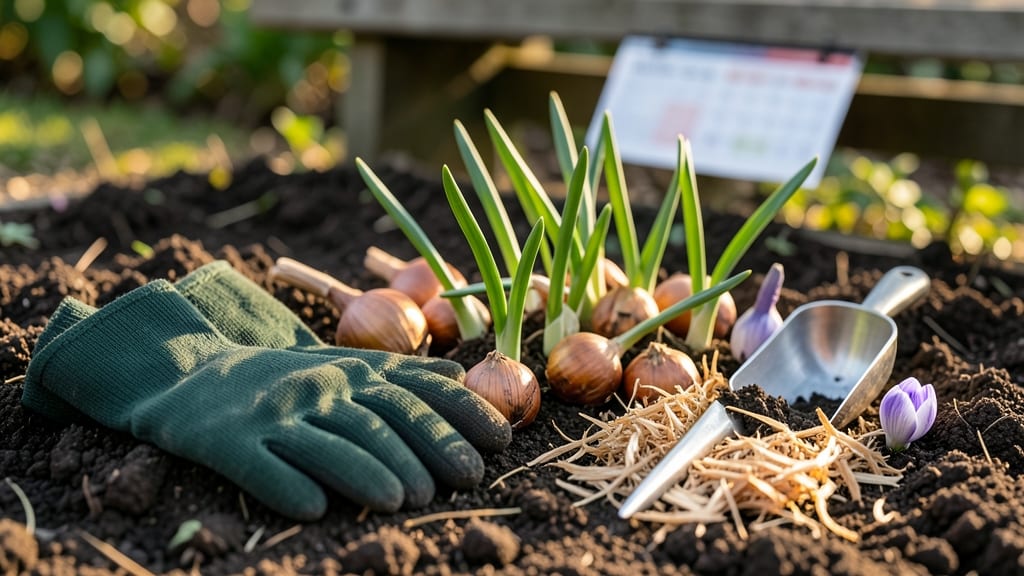
Timing your Zone 4 bulb planting right means the difference between a showstopping spring garden and a sad, frozen disappointment. The key? Planting bulbs like tulips and daffodils 6-8 weeks before the ground freezes—usually between mid-October and early November in this chilly region.
Why fall? Because bulbs need that cold period to root deeply before winter, giving you stronger blooms next spring. Miss this window, and you might be stuck with weak stems or no flowers at all.
Let’s break down the exact steps to get your 🌷 planted perfectly—so you’re not guessing when the first frost hits.
You’ll also discover how to prep your soil, choose the right bulbs for your microclimate, and even when spring planting makes sense (yes, it’s possible!). No more second-guessing—just confident, beautiful blooms year after year.
Ready to transform your garden? Let’s dive into the foolproof schedule that works for Zone 4’s short growing season, so you can enjoy those first spring colors without the stress.
Zone 4 fall bulb planting timeline: exact weeks before frost for perfect blooms
In Zone 4, the secret to stunning spring blooms lies in planting bulbs like tulips and daffodils during the 6-8 weeks before the ground freezes.
This window typically falls between mid-October and early November, but your exact timing depends on your local first frost date and soil conditions. For example, if your frost date is October 15th, aim to plant by September 1st—any later, and your bulbs won’t root deeply enough before winter.
Why this timing? Bulbs need cold stratification to break dormancy and develop strong roots. Planting too early (like August) risks rotting, while planting too late (December) means missed blooms next spring.
The key is balancing soil temperature (ideally 60°F or below) with frost risk. Let’s break down the exact schedule for your Zone 4 garden.
Here’s the golden rule: Plant bulbs when your soil temperature drops to 60°F and stays there for at least 3 weeks. In most of Zone 4, this happens in early to mid-October.
Use a soil thermometer to check—if it’s warmer than 60°F, wait a few weeks. This ensures your bulbs root before the ground freezes, giving you healthier stems and bigger blooms next spring.
Not all bulbs thrive on the same schedule. Tulips and hyacinths prefer cooler soil and should go in the ground by mid-October, while daffodils and alliums are more forgiving and can handle planting until early November.
Even within these windows, your microclimate matters—sheltered spots may stay warm longer, while exposed areas freeze sooner.
Pro tip: If you’re unsure about your frost date, check your local USDA Plant Hardiness Zone 4a or 4b map and add 6-8 weeks to your first frost date. For instance, if your frost date is October 10th, plant by August 20th.
But in reality, most Zone 4 gardeners plant between October 1st and November 1st—this is your sweet spot for reliable blooms.
🌱 Zone 4 Bulb Planting Timeline by Type
| Bulb Type | Ideal Planting Window | Soil Temp Threshold | Bloom Time |
|---|---|---|---|
| Tulips | Mid-October to early November | Below 60°F | Late April to May |
| Daffodils | Late September to early November | Below 60°F | March to April |
| Hyacinths | Mid-October to early November | Below 55°F | April to May |
| Alliums | Late September to early November | Below 60°F | May to June |
| Crocus | Early September to October | Below 50°F | February to March |
💡 Pro Tip: Adjust for your local microclimate—plant earlier in exposed areas, later in sheltered spots.
Once you’ve picked your bulbs and timing, prep your soil like a pro. Work in 2-3 inches of compost or well-rotted manure to improve drainage—bulbs rot in soggy soil. Aim for a depth of 2-3 times the bulb’s height (e.g., plant 6-inch-tall tulips 12-18 inches deep).
This ensures they’re deep enough to survive winter but not so deep they struggle to push through the soil next spring.
After planting, water deeply to settle the soil and encourage root growth. Mulch with 2-3 inches of straw or leaves to insulate the bulbs and protect them from freeze-thaw cycles. This extra layer keeps the soil temperature stable, which is crucial for root development before winter sets in.
Skip the mulch, and you risk frost heave, where bulbs push up and out of the ground, leaving them vulnerable to rodents and frost damage.
Zone 4 fall bulb planting timeline: exact weeks before frost for perfect blooms
Fall planting is the golden rule for Zone 4 bulbs like tulips and daffodils because it gives them time to establish roots before winter. Aim to plant 6-8 weeks before your first frost, typically between mid-October and early November in this region.
This window ensures bulbs get enough cold to bloom beautifully next spring.
Your local last-frost date is the starting point—check your area’s average (usually October 10 in Zone 4). For example, if frost hits October 15, plant by September 1 to give bulbs time to root. Use a soil thermometer to confirm temps are below 60°F before planting.
Not all bulbs thrive equally in Zone 4’s cold. Hardy varieties like daffodils and crocuses handle frost better than tender ones like tulips or hyacinths. For tender bulbs, plant them slightly deeper (6-8 inches) to protect them from freeze-thaw cycles.
After planting, mulch with 2-3 inches of straw or leaves to insulate bulbs from extreme cold. This protects them from freeze-thaw cycles, which can damage emerging shoots. Remove mulch in early spring once new growth appears to prevent rot.
Fall-planted bulbs reward you with stronger stems and bigger blooms because they’ve had time to establish roots. Skip spring planting unless you’re dealing with tender bulbs or missed the fall window—otherwise, you risk weak, leggy flowers.
Pro tip: Mark your bulb beds with flags after planting so you don’t accidentally dig them up in spring. A little prep now means months of color later—without the guesswork!