
Planting
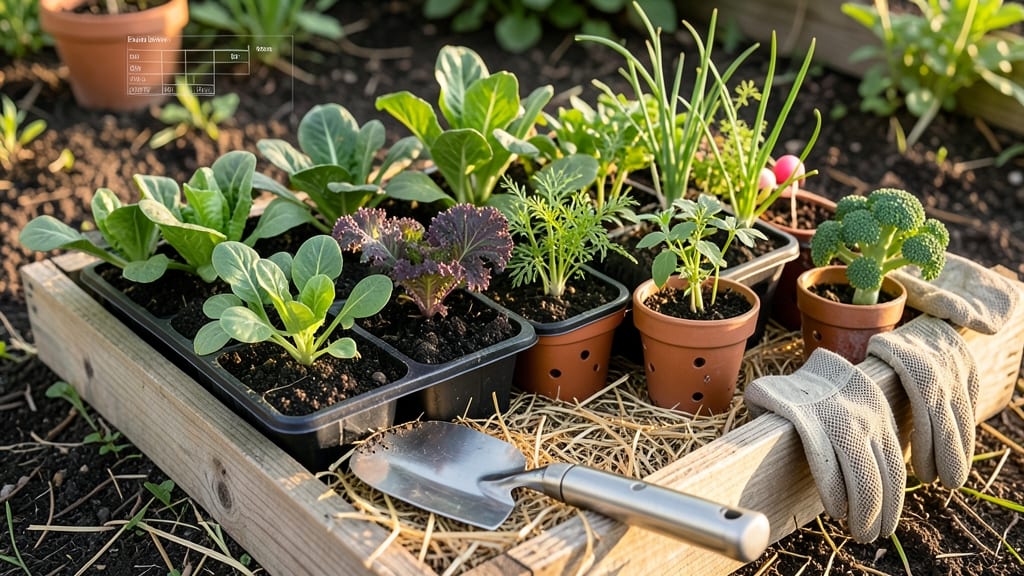
If you’ve ever stared at a seed packet in Ohio wondering, "when should you plant a garden in Ohio"—only to second-guess yourself because the weather seems to change daily—you’re not alone.
The key to avoiding frost-killed seedlings or missed harvests lies in understanding your local zone and crop timing, not just guessing.
Ohio’s 6a-6b climate means your frost-free window typically opens around mid-April, but that doesn’t mean every plant should hit the soil at once.
Cool-season crops like peas and lettuce can go in as early as March, while tomatoes and peppers need to wait until after the last frost—usually late April or early May. Getting this right means more time enjoying fresh produce instead of replanting.
I’ll break down exactly when to plant your 🌱 General Garden Plants—whether you’re growing veggies, flowers, or herbs—so you can align with Ohio’s 150-180 frost-free days. Plus, I’ll share pro tips for adjusting your schedule when Mother Nature throws a curveball, like those pesky late frosts.
By the end, you’ll have a clear, zone-specific planting timeline that turns uncertainty into a thriving garden. Let’s get those seeds in the ground at the perfect moment!
Ohio’s frost-free dates by Zone: when to plant cool vs. warm-season crops
Ohio’s USDA Hardiness Zones 5b-6b create a unique gardening challenge—cooler northern areas (like Toledo) face later last frosts than warmer southern regions (like Cincinnati). The average last frost date ranges from April 1-15, while the first frost typically arrives between October 15-30.
These dates determine whether your cool-season crops (like spinach) or warm-season crops (like tomatoes) thrive.
For cool-season vegetables, such as lettuce, peas, and kale, planting begins 4-6 weeks before the last frost. This means starting seeds indoors in late February to early March for a late-March transplant.
Meanwhile, warm-season crops like tomatoes, peppers, and cucumbers need to wait until 2-3 weeks after the last frost, typically mid-to-late May.
Here’s how Ohio’s microclimates affect planting: Urban areas like Columbus may experience earlier last frosts due to the "heat island" effect, while rural areas near Lake Erie can have delayed warming. Always check your local Almanac frost dates for precision.
| Zone & Location | Avg. Last Frost | Cool-Season Planting Window | Warm-Season Planting Window |
|---|---|---|---|
| Zone 5b (Toledo, Youngstown) | April 15 | March 1 - April 1 | May 15 - May 31 |
| Zone 6a (Columbus, Dayton) | April 1 | February 28 - March 15 | April 20 - May 10 |
| Zone 6b (Cincinnati, Lexington) | March 15 | February 1 - March 1 | April 1 - April 15 |
🌱 Note: Adjust dates 1-2 weeks earlier for urban areas; later for rural/lake-effect zones.
To avoid frost damage, use row covers or cold frames for early plantings. For warm-season crops, soil temperature is critical—wait until it reaches 60°F+ for tomatoes and peppers. A soil thermometer is your best tool for accuracy.
Ohio’s short growing season (150-180 frost-free days) demands efficiency. Prioritize fast-maturing varieties like bush beans (50 days) or radishes (25 days) to maximize harvests. Succession planting—sowing new seeds every 2-3 weeks—keeps your garden productive all season.
Don’t overlook fall planting! Cool-season crops like spinach, kale, and carrots thrive when planted in late summer (August-September). They’ll mature before the first frost, giving you a second harvest without competing for spring space.
For perennials and shrubs, plant in early spring (April) or fall (October) when soil is workable but not frozen. This allows roots to establish before extreme heat or cold sets in.
Pro tip: Use Ohio State University’s Garden Hotline (1-800-282-6842) for real-time frost alerts and localized advice. Their frost-free date maps are updated annually to reflect climate shifts.
Remember, Ohio’s weather is unpredictable. Always have a backup plan—whether it’s greenhouse starts or hardy varieties like Swiss chard that tolerate light frosts. With the right timing, your Ohio garden can be as productive as it is beautiful! 🌿
Best planting schedule for Ohio’s top 10 vegetables: month-by-month guide
Ohio’s 150-180 frost-free days give you a surprisingly long growing season if you time it right. The key is knowing which crops thrive in cool early springs and which need warm soil to germinate.
For example, my bush beans and radishes always make it to harvest when planted in late April, but my tomatoes and peppers need to wait until after Mother’s Day to avoid frost damage.
Here’s my month-by-month breakdown for Ohio’s most popular vegetables, including succession planting tips to maximize your harvest. I’ve organized it by cool-season (plant early) and warm-season (plant late) crops, with special notes for Ohio’s northern vs. southern regional differences.
🌱 March: This is your window for cool-season crops like peas, spinach, and lettuce. In Zone 6b (southern Ohio), I start seeds indoors for onions and broccoli, while gardeners in Zone 6a (northern Ohio) wait until late March to avoid frost. Use row covers if nighttime temps dip below 35°F.
🌿 April: The busiest month! Plant carrots, beets, and potatoes as soon as the soil reaches 50°F. For warm-season crops, start tomato and pepper seeds indoors now—you’ll transplant them after the last frost (usually April 15 in Zone 6a and April 1 in Zone 6b). My cucumbers and squash go in late April, but I always have a few row covers ready for late frosts.
- 🥕 Carrots: March–May (sow every 2 weeks for succession). Soil temp: 50–70°F. Harvest: 60–80 days.
- 🌿 Lettuce: March–September (plant every 3 weeks). Sun: Partial shade. Harvest: 30–50 days.
- 🍅 Tomatoes: April 15–May 1 (after last frost). Start indoors in March. Harvest: 70–90 days.
- 🌶 Peppers: April 20–May 10 (longer season needed). Soil temp: 70°F+. Harvest: 80–100 days.
- 🥔 Potatoes: March–April (plant when soil is workable). Harvest: 90–120 days (new potatoes earlier).
- 🌻 Zucchini: May 1–June 1 (warm soil essential). Succession plant every 2 weeks. Harvest: 45–55 days.
- 🥬 Broccoli: March–April (head varieties) or July–August (fall crop). Harvest: 60–80 days.
- 🌱 Green Beans: May 1–June 1 (bush) or June 15–July 1 (pole). Harvest: 50–60 days.
- 🥬 Kale: March–April (spring) or July–August (fall). Cold-hardy to 20°F. Harvest: 50–65 days.
- 🍆 Eggplant: May 10–June 1 (long season). Soil temp: 75°F+. Harvest: 80–100 days.
For succession planting, I never let my lettuce or radishes beds go empty. Every 2–3 weeks, I sow new seeds to ensure a steady harvest.
For example, my first bush beans go in early May, but I follow up with a second planting in late June to extend the season. This works especially well in southern Ohio, where the growing season stretches longer.
If you’re in northern Ohio, focus on early-maturing varieties of tomatoes and peppers. I’ve had success with ‘Early Girl’ tomatoes and ‘Jalapeño M’ peppers, which ripen faster in cooler climates.
For urban gardeners, container gardening lets you start warm-season crops 1–2 weeks earlier by using black plastic mulch to warm the soil faster.
Remember, Ohio’s weather is unpredictable—always have a backup planting plan for late frosts. I keep a few row covers and seedlings ready in case the first week of May brings a surprise freeze.
With this schedule, you’ll avoid the common mistakes of planting too early or too late and enjoy a garden that’s always in season!