
Plants
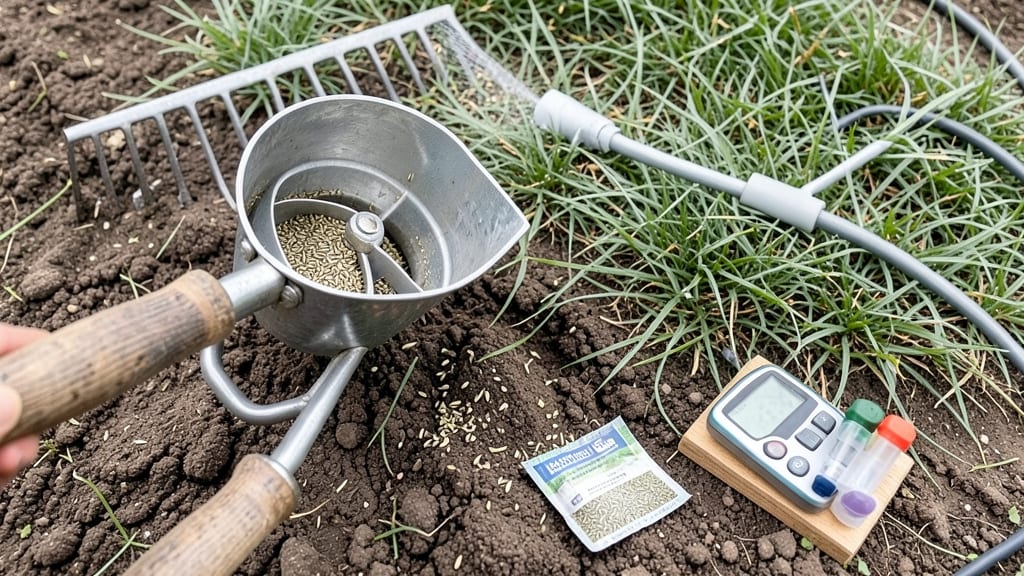
Planting grass seed in Colorado at the wrong time can mean wasted money, patchy lawns, or even inviting weeds to take over your yard. With USDA zones 4-7 and dramatic elevation shifts, timing isn't one-size-fits-all—but get it right, and you'll enjoy a thick, resilient lawn that thrives despite the state's unpredictable weather.
Most Colorado gardeners swear by early spring (March–April) or early fall (August–September) as the best windows for planting 🌱 turfgrass.
But whether you're in the Front Range's milder zone 5-6 or the Western Slope's colder zone 4-5, soil temperatures and frost dates play a bigger role than just the calendar.
Let me break down exactly when to plant based on your elevation—and how to avoid common mistakes that leave lawns struggling.
You might think "spring" means March, but in Colorado's high country, waiting until soil warms to 55–65°F (usually late April) makes all the difference. Meanwhile, fall planting requires timing it so seeds germinate before the first frost—typically by mid-October in the mountains.
We'll cover how to read your local microclimate clues, from watching for dormant weeds to testing soil moisture before you even buy seed.
Ready to skip the guesswork? I'll walk you through selecting the right grass varieties for your zone, prepping soil that's often rocky or drought-prone, and watering techniques that ensure germination—even when Colorado's weather throws curveballs. Let's get your lawn off to the best start possible.
Colorado grass seed planting calendar by elevation zone (lowlands vs mountains)
Colorado’s elevation zones create wildly different planting windows—what works in Denver (5,280 ft) fails in Aspen (8,000 ft). The Front Range (5,000–7,000 ft) has a 120–160-day growing season, while the High Country (9,000+ ft) shrinks to just 80–120 days.
Timing isn’t just about months; it’s about soil temperatures and frost dates that shift 30+ days between zones.
Most Colorado gardeners plant cool-season grasses like Kentucky bluegrass or tall fescue, which thrive in 55–65°F soil. Warm-season grasses (like Bermuda) are rare here but need 75–85°F soil—a window that’s 2–3 weeks later in the mountains.
Ignore these rules, and you’ll battle patchy germination or weed takeover.
Here’s the elevation-based breakdown you need to avoid costly mistakes:
| Elevation Zone | Ideal Planting Window | Soil Temp Threshold | Last Frost Date | Key Risks |
|---|---|---|---|---|
| Front Range (5,000–7,000 ft) | March 15–April 15 (spring) / August 15–September 15 (fall) | 55–65°F | April 15 | Late spring heat stress; summer drought |
| Foothills (7,000–9,000 ft) | April 1–May 1 (spring) / July 30–August 30 (fall) | 50–60°F (cooler soils) | May 1 | Shorter growing season; early frosts |
| High Country (9,000+ ft) | May 1–June 1 (spring only) | 45–55°F (delayed warming) | June 1 | Extreme frost risk; slow germination |
🌱 Pro Tip: Use a soil thermometer—don’t guess!
Spring planting in Denver or Colorado Springs gives you a 10–12 week head start before summer drought kicks in.
But if you’re in Fort Collins or Boulder, aim for late March—earlier, and frost will kill tender sprouts. Fall planting (August–September) is my top recommendation for most zones because cooler temps mean less weed competition and stronger root establishment before winter.
The Western Slope (Grand Junction, Durango) has a longer frost-free season (160+ days), so you can push planting to late April or even early May.
However, drought conditions here demand drought-tolerant varieties like tall fescue or fine fescue blends. Skip these, and your lawn will brown out by July.
For mountain communities (Telluride, Breckenridge), spring planting is risky—wait until after May 1 when soil warms above 50°F. These areas often see late frosts in June, so fall planting isn’t an option. Instead, focus on overseeding existing lawns in September to fill thin patches.
One non-negotiable rule: Never plant when forecasts predict rain or high winds. Colorado’s afternoon thunderstorms can wash away fresh seed. Check the National Weather Service for your microclimate—what works in Lakewood
Colorado grass seed planting calendar by elevation zone (lowlands vs mountains)
Colorado’s elevation zones create wildly different planting windows—what works in Denver (5,280 ft) fails in Aspen (8,000 ft). The key? Soil temperature, not just calendar months. Most Colorado lawns thrive with cool-season grasses like Kentucky bluegrass or tall fescue, which germinate best when soil hits 55–65°F.
For Front Range gardeners (5,000–7,000 ft), aim for March–April (spring) or August–September (fall). But in the High Country (9,000+ ft), wait until late April or early September—frost lingers longer, and seeds can rot if planted too soon.
Let’s break it down by zone so you don’t waste seed on a bad guess.
🌱 Comparison Table: Colorado Grass Planting by Elevation
| Elevation Zone | Best Planting Months | Soil Temp Goal | Last Frost Date | First Frost Date |
|---|---|---|---|---|
| Front Range (5,000–7,000 ft) | March–April, August–September | 55–65°F | April 15 | October 15 |
| Foothills (7,000–9,000 ft) | Late April–May, Late August | 50–60°F | May 1 | October 1 |
| High Country (9,000+ ft) | Late April–June, Early Sept | 45–55°F | June 1 | September 30 |
Pro tip: Use a soil thermometer ($10 at garden centers) to check temps before planting. If your soil is below 50°F, wait—seeds won’t germinate, and you’ll just feed birds instead of growing grass.
I’ve seen too many gardeners rush spring planting only to watch their seed wash away in April rain.
Fall planting is trickier in Colorado because first frosts arrive early in the mountains. Seed needs 4–6 weeks to establish roots before winter, so aim for late August in Denver or early September in the High Country.
If you plant too late, your lawn will be a brown, weed-infested mess by October.
One more critical note: Western Slope (e.g., Grand Junction) has a hotter, drier climate than the Front Range. Here, warm-season grasses like Bermuda or buffalo grass can work, but they need soil temps above 65°F to germinate—usually May–June.
Always check your local CoCoRaHS station for frost dates and rainfall trends before buying seed.
Ready to pick your zone? Next, we’ll cover the 5 factors that override calendar rules—like how shade exposure or rainfall patterns can shift your planting window by weeks. Don’t skip this part if your yard has tricky spots!