
Plants
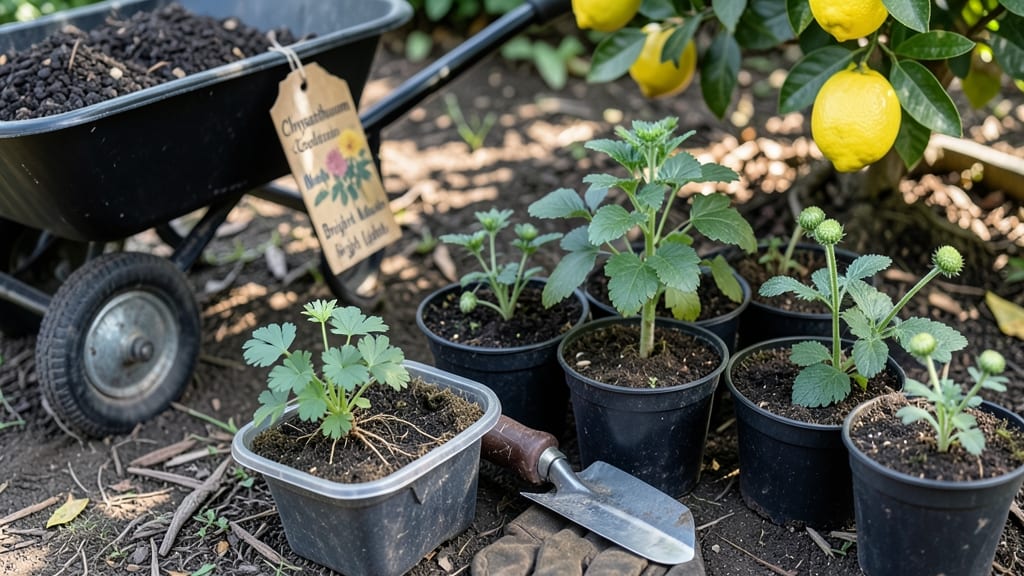
Planting your Mums 🌼 in the ground at the wrong time could mean missing out on that stunning fall display you’ve been dreaming of. The secret to vibrant, long-lasting blooms lies in understanding the perfect window—typically 4-6 weeks before your first frost—which varies dramatically by your USDA zone.
If you’re in Zone 6a (like many gardeners in the Midwest), aim for early September planting to give roots time to establish before winter. But timing isn’t just about the calendar—soil temperature, daylight hours, and even your local microclimate play a role.
Get it wrong, and you might end up with leggy plants or weak blooms.
I’ve learned the hard way that rushing the process or waiting too long can ruin months of effort. The good news? With the right preparation—well-draining soil, full sun, and proper spacing—your Mums can thrive and reward you with bold colors from September through October.
Let’s break down exactly how to nail your planting schedule and avoid common mistakes.
Whether you’re starting with transplants or seeds, this guide will help you time it perfectly. You’ll discover how to prep your garden bed, recognize when your Mums are truly ready to go in the ground, and even extend their blooming season with simple care tricks.
Ready to transform your fall garden?
The ideal fall planting window for mums by US hardiness Zone
Timing is everything when planting chrysanthemums (mums) for fall blooms. The 4-6 week rule before your first frost date is your golden window—plant too early, and they’ll bolt; too late, and roots won’t establish.
For USDA Zones 3-11, this translates to mid-August to early October in most regions, but microclimates shift those dates.
Northern gardeners (Zones 3-5) should aim for late August to early September to give mums time to root before early October frosts. Meanwhile, Southern growers (Zones 8-11) can extend planting until mid-October, thanks to milder winters.
Even within zones, elevation and urban heat islands can push planting 1-2 weeks earlier in cooler microclimates.
🌼 Pro Tip: Check your local frost dates (USDA Plant Hardiness Zone Map) and count backward. For example, if frost hits October 15, plant by September 15 for optimal blooms.
For spring-blooming mums, the window shifts to early spring (March-April in most zones), but fall planting is ideal for longer-lasting blooms. If you’re unsure, opt for transplants over seeds—they’re pre-hardened for your climate and bloom faster.
🌱 Soil Prep Matters: Amend with compost and a balanced fertilizer (10-10-10) 2 weeks before planting. Mums thrive in well-draining soil with pH 6.0-6.5. Test your soil now—low pH can stunt blooms.
Regional variations matter. In Pacific Northwest (Zone 7-8), plant by September 1 to avoid early October rains that rot roots. In Southeast zones (8-9), push planting to mid-October for winter color. Always harden off transplants for 3-5 days before planting to reduce shock.
💡 Zone-Specific Hack: In Zone 5, cover mums with straw mulch after planting to delay frost sensitivity. In Zone 10, plant dwarf varieties in containers for mobility during unexpected cold snaps.
Finally, avoid planting mums in summer heat (June-July). The stress causes bolting (premature flowering) or weak stems. Stick to the fall window, and you’ll enjoy 6-8 weeks of vibrant blooms—from September through Thanksgiving.
☀️ Sunlight Check: Confirm your garden spot gets 6+ hours of sun daily. Mums in shade produce fewer blooms and leggy stems. Test with a sun gauge or app before planting.
The ideal fall planting window for mums by US hardiness Zone
Timing your Mums 🌼 for fall planting depends entirely on your USDA zone and first frost date. The golden rule? Plant 4-6 weeks before frost to ensure roots establish before winter slows growth.
In Zone 6a, that’s typically early to mid-September, while gardeners in Zone 8 can wait until mid-October. Miss this window, and you risk weak plants or delayed blooms.
Climate plays a huge role—northern regions need earlier planting to account for shorter growing seasons, while southern zones can push the timeline later. Even within a zone, microclimates (like urban heat islands or sheltered valleys) can shift your ideal window by 1-2 weeks.
Always check your local first frost date and adjust accordingly.
For example, if your frost date is October 20, aim to plant by September 10-15. This gives roots 6-8 weeks to settle before cold sets in.
Pro tip: Use a soil thermometer—roots struggle below 50°F (10°C), so wait until soil warms up if early planting feels risky.
Regional variations matter too. In the Pacific Northwest, cooler summers mean planting 2 weeks earlier than the zone average, while Southern California gardeners can often plant into November without frost issues. Always scout your neighborhood—trees, buildings, and even pavement can create microclimates that delay frost by 7-10 days.
One final tip: If you’re using transplants (not seeds), check the root ball size. Larger roots need 1-2 extra weeks to adjust, so plant them 2 weeks before your ideal window.
Smaller pots? You can push the timeline slightly later. The key is balanced growth—not too leggy, not too stunted.
Once you’ve nailed the timing, focus on soil prep and sun exposure to set your Mums up for success. Full sun (6+ hours daily) and well-draining soil are non-negotiable for vibrant blooms.
Ready to dig in? Let’s talk transplant readiness next—because even the perfect timing won’t help if your plants aren’t ready for the ground! 🌱