
Plants
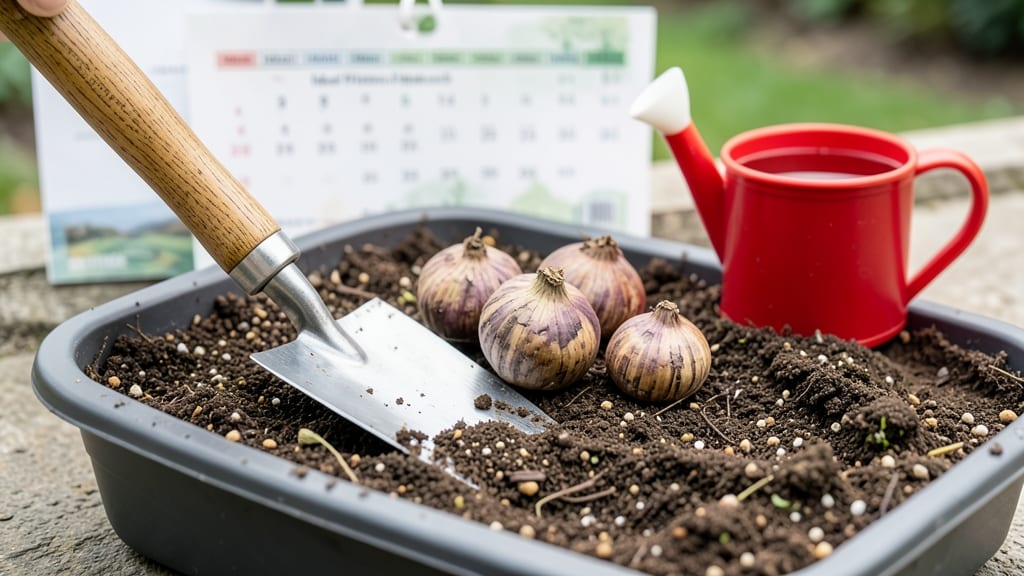
Planting dahlias in Southern California at the wrong time could mean missed blooms or stunted growth—especially with our wild swings from coastal chill to desert heat. The key to vibrant, frost-free dahlias 🌸 lies in timing that matches your microclimate, whether you're in coastal Santa Barbara or the inland valleys.
Most gardeners here know March to April is prime planting season, but that’s just the starting point. Coastal areas can plant earlier (as soon as February), while inland zones may need to wait until soil warms to 60°F—a difference that makes all the difference for tuber viability.
Let’s break down exactly when to plant for your specific zone.
You’ll also discover whether to start tubers indoors or plant directly outdoors, plus pro tips for soil prep that Southern California’s unique climate demands. With the right timing, you could enjoy summer-to-fall blooms that outshine any nursery display.
Ready to transform your garden? I’ll walk you through the step-by-step process, including how to handle coastal fog delays or desert heat spikes—so your dahlias thrive from the first spade in the dirt.
Southern California dahlia planting zones: coastal vs. desert vs. inland timing
Southern California’s microclimates create wildly different conditions for dahlias—coastal areas stay cooler longer, while inland deserts heat up faster. Understanding these zones helps you avoid frost damage or heat stress and ensures your dahlias thrive year after year.
Dahlias are tender perennials that need warm soil (at least 60°F/15°C) to sprout successfully.
In most of Southern California, the last frost date ranges from mid-December to mid-January, but coastal areas like San Diego rarely see frost, while inland valleys like the Coachella Valley can experience unpredictable cold snaps even in spring.
Here’s how to align your planting with your local microclimate for frost-free blooms from summer through fall:
For urban gardeners in cities like Los Angeles or San Francisco, aim for late February to early March.
If you’re unsure about your local frost risk, check the USDA Plant Hardiness Zone Map (most of SoCal falls in Zones 9b-10a) and add 4-6 weeks before your average last frost date for safe planting.
Pro tip: Chitting your dahlia tubers (placing them in trays with the "eyes" facing up) 4-6 weeks before planting gives them a head start. This is especially useful in cooler coastal areas where soil warms slowly.
In desert regions, dahlias can suffer from heat stress if planted too early. Wait until soil temperatures exceed 70°F (21°C) and provide afternoon shade for the first 2-3 weeks to help them establish roots before the summer sun intensifies.
Remember: Dahlias are not frost-tolerant, so even a light freeze can kill them. If you’re in a high-altitude area (like the mountains near Big Bear), consider growing them as annuals or using container gardening for easy winter protection.
Once your dahlias are planted, mulch heavily (3-4 inches) to keep roots cool in desert heat or warm in coastal breezes. This simple step can extend your blooming season by 4-6 weeks!
Step-by-step pre-planting prep for Southern California dahlias
Before you even think about planting those dahlia tubers, Southern California’s unique soil and climate demand special prep work.
Unlike northern states, we don’t have to worry about frost killing tubers—but we do need to account for coastal acidity, inland alkalinity, and the rapid drying that happens in desert-adjacent areas. Skipping these steps could mean stunted growth or poor blooms, even with perfect timing.
Start by testing your soil’s pH level—dahlias thrive in slightly acidic to neutral soil (6.0-7.0). Coastal areas often lean acidic, while inland zones like the Inland Empire can be alkaline. A simple soil test kit (available at local nurseries) will tell you exactly what amendments you need.
If your soil is too alkaline, work in peat moss or compost to lower the pH gradually.
Here’s where many Southern California gardeners make their first mistake: they plant tubers directly without chitting (pre-sprouting). Chitting—placing tubers in a cool, bright spot (like a garage with indirect light) for 4-6 weeks—gives you a 2-3 week head start on growth.
This is especially critical for coastal gardeners who plant earlier in February, as chitted tubers establish faster in cooler soil.
- Test soil pH (aim for 6.0-7.0)
- Amend with compost or aged manure for nutrients
- Add perlite or sand to improve drainage in heavy clay soils
- Cut tubers if needed, ensuring each piece has at least one eye
- Chit tubers for 4-6 weeks in a cool, bright spot
- Soak cut tubers in fungicide solution to prevent rot
- Choose a sunny spot with 6+ hours of light
- Loosen soil to 12 inches deep for root growth
- Add mulch to retain moisture in desert areas
For urban gardeners with limited space, container growing is a fantastic option—and it gives you even more control over soil conditions. Use pots that are at least 12 inches deep and wide, with drainage holes to prevent waterlogging.
Fill containers with a mix of potting soil, compost, and perlite (50/30/20 ratio). If you’re in a coastal area with foggy mornings, place containers near a south-facing wall to maximize warmth.
One often-overlooked trick for Southern California gardeners is hardening off chitted tubers before planting. If you’ve been keeping them indoors or in a garage, gradually expose them to outdoor temperatures over 3-5 days.
Start with 2 hours of shade and increase daily—this helps tubers adjust to our wild temperature swings, from coastal fog to inland heat spikes.
Finally, mark your planting date on your calendar and set a reminder for when to start fertilizing. Dahlias are heavy feeders, and in Southern California’s fast-draining soils, nutrients wash away quickly.
A slow-release fertilizer (like 5-10-10) applied at planting time will give your tubers the boost they need to establish strong roots before the real heat of summer arrives.