
Plants
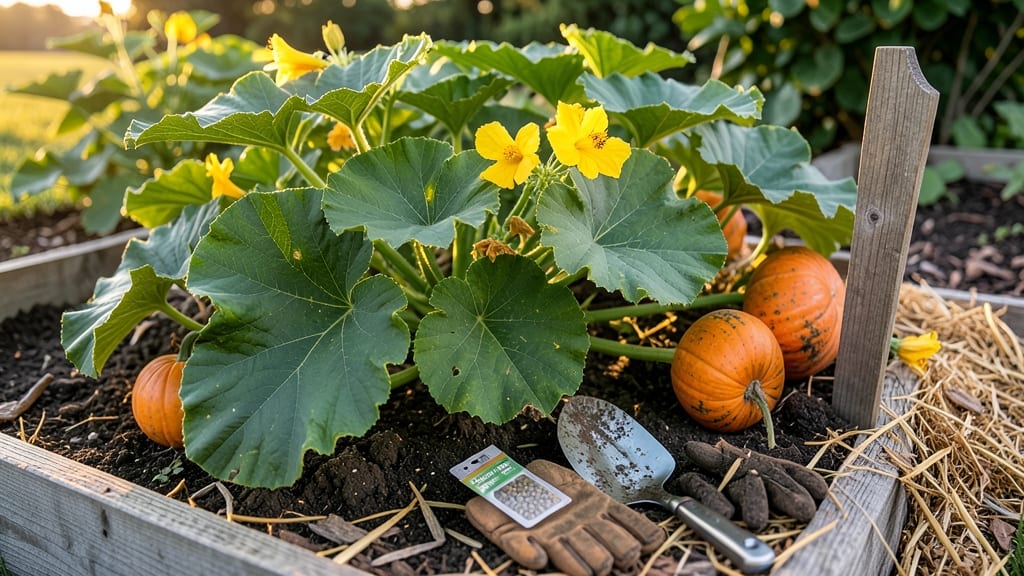
If you're dreaming of carving your own 🎃 pumpkins this fall, Indiana's planting window is your golden ticket to success—and getting it wrong could mean tiny, bitter gourds instead of the harvest of your dreams.
Timing matters more than you might think. Plant too early, and a late frost will turn your seedlings into sad, wilted memories. Wait too long, and your pumpkins may never reach their full potential before the first chill of October arrives.
The key lies in understanding your USDA zone (5b-6b), soil temperatures, and the mid-April to early June window when the ground is finally ready.
Whether you're starting seeds indoors for a head start or sowing directly into warmed soil, this guide will help you navigate Indiana's unpredictable spring weather. I'll share the exact frost-free windows by zone, soil prep secrets, and how to adjust for those tricky years when Mother Nature throws curveballs.
Ready to grow pumpkins that rival the sizes at the corn maze? Let's dive into the perfect planting schedule that'll have your vines sprawling and your harvest overflowing by Halloween.
Indiana pumpkin planting dates by hardiness zone: exact frost-free windows for maximum yield
Indiana's USDA zones 5b-6b create a unique challenge for pumpkin growers. The difference between northern Indiana's cooler springs and southern Indiana's warmer climate means your planting schedule should shift based on your exact location.
For most gardeners, the last frost date (typically April 15) marks the starting line, but soil temperature is the real game-changer.
Pumpkin seeds need soil temperatures above 70°F to germinate properly. In northern Indiana (zone 5b), this usually means waiting until mid-May for direct sowing, while southern Indiana (zone 6b) gardeners can plant as early as late April.
Getting this wrong can mean seeds rotting in cold soil or seedlings struggling to establish.
Here's the exact breakdown you need to maximize your harvest potential by zone:
| Zone | Last Frost Date | Direct Sow Window | Transplant Window | Soil Temp Threshold |
|---|---|---|---|---|
| 5b (Northern IN) | April 15-May 1 | Mid-May to early June | Early May (start indoors) | 70°F+ (usually late May) |
| 6a (Central IN) | April 1-May 15 | Late April to early June | Mid-April (start indoors) | 70°F+ (usually early May) |
| 6b (Southern IN) | March 20-April 15 | Late March to early June | Late March (start indoors) | 70°F+ (usually late April) |
For northern Indiana gardeners, starting seeds indoors 2-3 weeks before your target transplant date gives you a crucial head start. Use biodegradable pots to avoid root disturbance when moving seedlings outdoors. The key is having hardened-off plants ready to go when soil temperatures finally cooperate.
In southern Indiana, you have more flexibility to direct sow earlier, but don't rush it. Cool soil will delay germination by weeks. Use a soil thermometer to confirm temperatures before planting—this simple tool can save you from wasted effort.
Remember that Indiana's weather is famously unpredictable. Even if your zone suggests early planting, a late frost can still occur. That's why I recommend having a backup planting plan—more on that in the next section.
The goal is to have pumpkins flowering by mid-July, giving them 90-120 days to mature before frost.
Pro tip: Early varieties (like 'Jack Be Little') mature in 75-85 days, while giant varieties (like 'Atlantic Giant') need 120+ days. Choose your variety based on your planting window and local first frost date. In most of Indiana, mid-season varieties (90-100 days) offer the best balance.
Once you've nailed your planting window, the next critical step is soil preparation. Pumpkins thrive in well-draining soil with plenty of organic matter. Work in compost or aged manure before planting to give your vines the nutrients they'll need to produce large, healthy fruits. 🎃
How to adjust pumpkin planting for Indiana’s unpredictable weather: pro tips for success
Indiana’s weather can be as unpredictable as a jack-o'-lantern’s grin—one week it’s sunshine, the next it’s a surprise frost. To beat Mother Nature’s curveballs, I’ve learned to use soil warming tricks and protective covers to give my pumpkin seedlings the fighting chance they need.
The key is flexibility: if your last frost date slips past April 15, don’t panic—just adjust your planting schedule or variety choices.
For those late-spring frosts that sneak in, I always keep row covers or frost cloth on hand. These lightweight fabrics trap heat and can raise soil temperatures by 5-10°F, giving your seedlings a buffer against chilly nights.
Even better, they protect young plants from windburn and harsh sunlight while they establish roots. I’ve saved entire hills of seedlings this way!
🌱
If your spring drags on past the usual mid-May planting window, don’t despair—just switch to shorter-season varieties. I’ve had great luck with ‘Autumn Gold’ (80 days) and ‘Cinderella’ (90 days), which mature quickly enough to avoid early fall frosts.
For extra insurance, I’ll plant a few bush-type pumpkins like ‘Waltham Butternut’—they take up less space and still deliver delicious fruit.
Another trick I swear by? Succession planting. Even if your first batch gets frostbitten, a second planting in early June can still yield pumpkins by Halloween.
Just space them 3-4 feet apart in hills and watch them grow! The trade-off is smaller pumpkins, but they’ll still be perfect for pies or carving.
Finally, keep an eye on the weather forecast in late August. If a hard frost is predicted before your pumpkins are ready, harvest them early—they’ll ripen off the vine if you store them in a cool, dry place (like a garage) for 1-2 weeks.
Their flavor will be sweeter, and you’ll avoid the heartbreak of a ruined crop.
☀️