
Plants
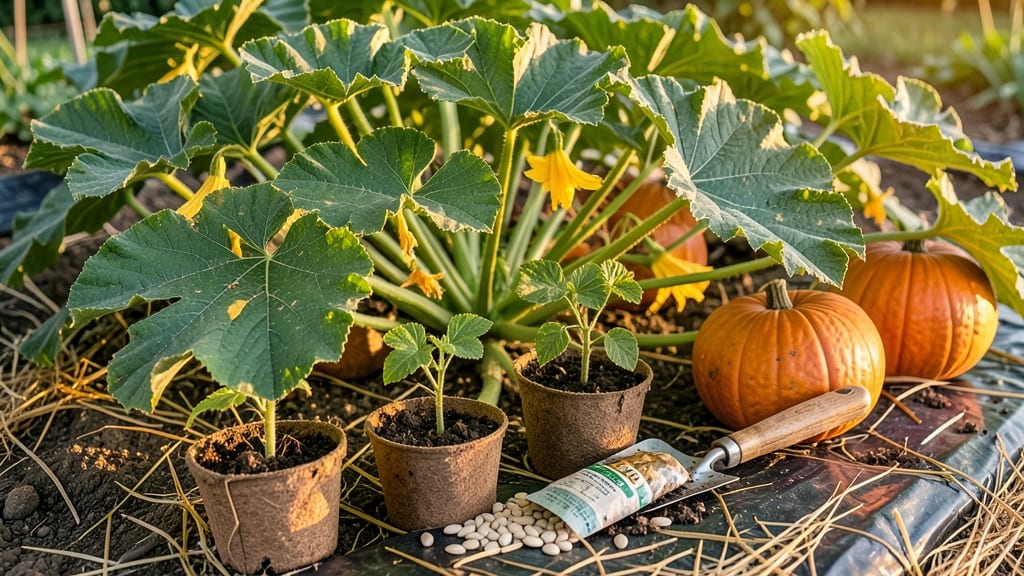
Timing your 🎃 pumpkin planting in Missouri isn’t just about the calendar—it’s about dodging late frosts that can turn your vines into bitter, bolted messes.
With USDA zones 5b-6b and unpredictable spring swings, getting those seeds in the ground at the right moment makes all the difference between a jackpot harvest and wasted effort.
Most Missouri gardeners wait until mid-April to early June after the last frost, but that window shifts depending on whether you’re in St. Louis, Kansas City, or the Ozarks.
Plant too early, and a surprise frost will kill tender seedlings; too late, and your 90-day varieties won’t mature before winter sets in.
Here’s the game-changer: soil temperature matters more than air temperature. Pumpkin seeds need 60°F+ soil to germinate, and waiting for that warmth—often late May in cooler zones—can save you from bolting (those bitter, stringy vines).
I’ll walk you through the exact weeks before last frost to plant for zero-risk success.
Ready to skip the guesswork? Let’s break down the 3-step planting timeline that’ll have your pumpkins thriving from seed to harvest—no matter where in Missouri you’re growing.
Missouri’s last frost dates: critical planting windows by region for pumpkins
Missouri’s last frost dates vary dramatically by region, making timing your pumpkin seeds a regional science.
In St. Louis (USDA Zone 6a), the average last frost falls on April 15, while Kansas City (Zone 5b) typically sees its last frost around April 22. Springfield (Zone 6b) sits in between, with frost usually ending by April 10.
These dates determine your planting window—critical for avoiding bolt risk or frost damage.
For direct-sown pumpkin seeds, aim to plant 3-4 weeks before your region’s last frost date. This gives seedlings enough time to establish roots before summer heat arrives.
For example, St. Louis gardeners should start seeds around mid-March, while Kansas City growers can wait until late March. Transplants need a slightly shorter window—2-3 weeks before—since they’re already hardened off.
Missouri’s microclimates add another layer of complexity. Rural areas often experience later frosts than cities due to cooler nighttime temps. Use a frost calendar from your local Cooperative Extension Service for hyper-local precision. Even a 5-day delay can mean the difference between healthy vines and bolted plants.
Here’s how to calculate your exact planting window:
- Check your USDA Zone (5b-6b for most of Missouri).
- Subtract 3-4 weeks from your region’s average last frost date.
- Adjust for soil temperature—pumpkin seeds need 70°F+ soil to germinate.
- Plant 1 inch deep, 2-3 feet apart in hills for better drainage.
Missouri Pumpkin Planting Windows by Region
| Region | USDA Zone | Avg. Last Frost | Direct Sow Window | Transplant Window |
|---|---|---|---|---|
| St. Louis | 6a | April 15 | Mid-March | Late March |
| Kansas City | 5b | April 22 | Late March | Early April |
| Springfield | 6b | April 10 | Early March | Late March |
| Southeast MO | 7a | March 25 | Late February | Early March |
*Adjust dates 1-2 weeks later for rural areas; earlier for urban microclimates.
If you’re planting shorter-season varieties (like ‘Jackpot’ or ‘Sugar Pie’), you can push your window later—even into early June. These varieties mature in 75-90 days, giving them time to ripen before Missouri’s first frost (typically mid-October).
However, avoid planting after June 15, as vines need 90-120 days to produce quality fruit.
One common mistake Missouri gardeners make is planting too early, only to have seedlings rot in cold, wet soil. Use a soil thermometer to confirm temps are 60°F+ before sowing.
If your soil is still chilly, opt for transplants from a nursery, which are already hardened off. Just be sure to acclimate them for 5-7 days before planting outdoors.
For container gardening, start seeds indoors 4-6 weeks before your last frost date. Use biodegradable pots to transplant seedlings directly into the ground, minimizing root disturbance. Containers also let you extend the season
How to avoid pumpkin bolting: soil temperature, variety selection, and hardening tips
Pumpkin bolting—those bitter, stringy vines that flower too early—is Missouri gardeners’ worst nightmare. The culprit? Cool soil temperatures or stress from transplanting too soon. I’ve learned the hard way that soil temp matters more than air temp, and waiting for 60°F+ soil can save your harvest.
Even if your last frost date passes, chilly soil will trick pumpkins into bolting. Use a soil thermometer (just $10 at garden centers) to check—if it’s below 60°F, wait. In Missouri’s USDA zones 5b-6b, this often means holding off until late May in cooler areas like the Ozarks.
🚨 CRITICAL: Never rush planting to "beat the season." Bolting pumpkins produce small, seedy, bitter fruit that’s unusable. Instead, focus on heat-tolerant varieties like ‘Howden’ (75 days) or ‘Jackpot’ (85 days), which handle Missouri’s variable springs better than standard varieties.
⚠️ BOLTING WARNING SIGNS
- 🌱 Rapid vine growth (3+ feet in 2 weeks)
- 🌸 Yellow flowers appear before leaves fill out
- 🎃 Tiny, deformed fruit with bitter flesh
ACTION: If you spot these, prune bolted vines to redirect energy to main stems.
For transplants, harden seedlings 7-10 days before moving them out. Start by placing them in partial shade for 2 hours/day, then gradually increase to full sun.
Skip this step, and shock will trigger bolting. Pro tip: Use black plastic mulch to warm soil faster—it can add 2-3°F to soil temp in spring.
If you’re planting directly in the ground, opt for hill planting (3-4 seeds per mound, 2-3 feet apart). Hills warm up faster than flat soil and give vines a head start. Pair this with row covers if nights dip below 50°F—they protect young plants without trapping excess heat.
Finally, avoid over-fertilizing with nitrogen early in the season. Too much greenery = delayed fruiting. Instead, use a balanced 10-10-10 fertilizer at planting, then switch to phosphorus-heavy (5-10-10) feed once vines start running. This shift encourages flowering and fruit set instead of leafy growth.
By mastering these 3 bolting-prevention steps—soil temp checks, hardening seedlings, and smart fertilization—you’ll skip the bitter vines and grow pumpkins that mature sweet and plump, no matter how wild Missouri’s spring gets. 🎃