
Planting
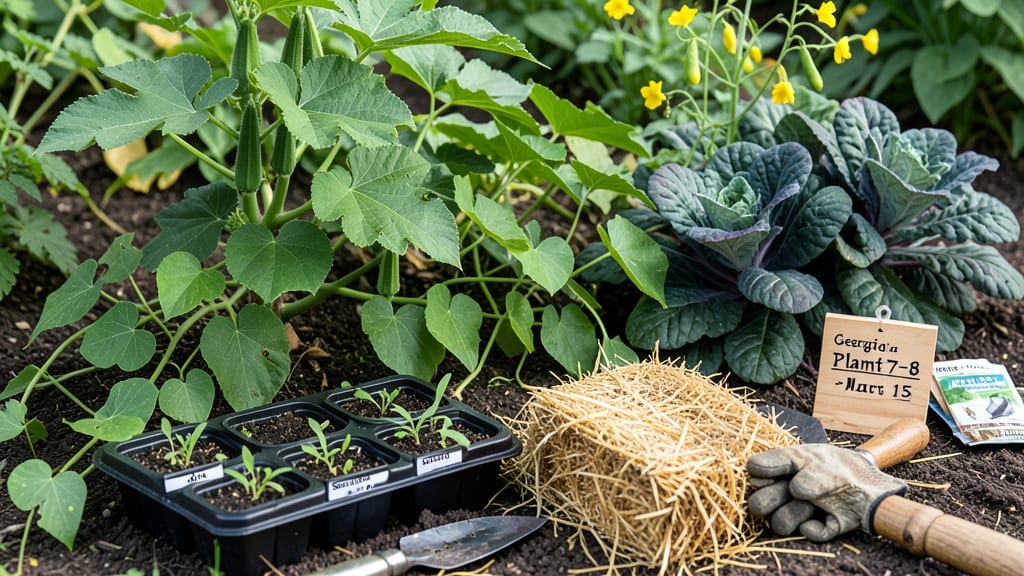
Timing your garden in Georgia isn’t just about luck—it’s about knowing the exact window to plant 🌱 General Garden Vegetables before frost or heat ruins your hard work.
With USDA zones 7a-8b and microclimates ranging from Atlanta’s heat islands to Savannah’s coastal humidity, getting the timing right means the difference between a thriving harvest and wasted seeds.
Whether you’re a first-time gardener or a seasoned green thumb, missing the late February to early April spring window or the August to September fall window can leave your plants vulnerable.
But here’s the good news: with county-specific deadlines and frost-free strategies, you can avoid common mistakes and maximize your yields—no matter where you are in the state.
I’ll break down the best months to plant in your area, from frost dates to soil prep tips tailored for Georgia’s climate.
You’ll learn how to adjust for your region—whether you’re growing tomatoes in the Piedmont or peppers in the Coastal Plain—so you can start strong and harvest like a pro.
Ready to turn your garden dreams into reality? Let’s dive into the step-by-step guide that’ll help you plant with confidence, no matter the season.
Georgia’s frost-free planting zones & county-specific deadlines
Georgia’s diverse climate zones (USDA 7a–8b) create wildly different planting windows—from the humid coastal plains of Savannah to the cooler mountain valleys of the Blue Ridge. Understanding your last frost date is critical, as warm-season crops like tomatoes and peppers can’t survive even a light freeze.
The University of Georgia Extension tracks county-specific data, showing Savannah’s last frost averages March 1, while Athens typically sees its last freeze around March 15, and Blairsville (Zone 7a) can linger until April 1.
For cool-season crops like lettuce and broccoli, you can plant as early as late February in Zone 8a (coastal areas), but wait until mid-March in Zone 7a (northern Georgia) to avoid frost damage.
Warm-season crops, however, demand patience—tomatoes and peppers should only go in the ground after soil temperatures hit 60°F, usually mid-April to early May, depending on your county.
Here’s how to pinpoint your planting window using Georgia’s USDA zones and county-specific frost data:
| Region | USDA Zone | Last Frost | First Frost | Spring Planting Window | Fall Planting Window |
|---|---|---|---|---|---|
| Coastal (Savannah, Brunswick) | 8a-8b | Feb 28 – Mar 15 | Nov 1 – Nov 15 | Mar 15 – Apr 1 | Aug 1 – Sep 15 |
| Piedmont (Atlanta, Macon) | 7b-8a | Mar 1 – Mar 15 | Nov 10 – Nov 25 | Mar 15 – Apr 10 | Jul 31 – Aug 31 |
| North Georgia (Blairsville, Dahlonega) | 7a | Mar 15 – Apr 1 | Oct 31 – Nov 10 | Apr 1 – Apr 20 | Jul 15 – Aug 15 |
If you’re in Zone 8a or 8b (like Savannah or Waycross), you can plant warm-season crops as early as March 15, but northern Georgia gardeners in Zone 7a should wait until April 15 to avoid frost.
For fall planting, aim to get seeds in the ground 8–10 weeks before your first frost—so late July to early August in most regions.
Pro tip: Use the University of Georgia’s Frost Probability Calculator to get hyper-local data for your exact county. This tool accounts for microclimates (like urban heat islands in Atlanta) that can shift frost dates by 1–2 weeks.
For container gardening, you have even more flexibility—pots warm up faster than soil, so you can plant peppers and eggplants 2–3 weeks earlier than in-ground. Just ensure your containers have drainage holes to prevent root rot in Georgia’s humid summers.
Missed the spring window? No problem! Georgia’s long growing season (210–240 frost-free days) allows for a second planting in late summer. Succession planting every 2 weeks ensures a continuous harvest of bush beans, lettuce, and radishes.
Always check soil temperatures with a soil thermometer—60°F is the magic number for warm-season crops, while 50°F is ideal for cool-season veggies like kale and carrots. 🌱
How to adjust planting timing for Georgia’s microclimates
Georgia’s diverse landscapes—from the humid Coastal Plain to the mountainous Blue Ridge—create microclimates that drastically affect planting times. In Savannah’s Zone 8a, you might plant tomatoes in mid-February, while in Blue Ridge’s Zone 7a, you’d wait until mid-April to avoid late frosts.
Understanding these variations lets you tailor your garden for success.
Urban gardeners in Atlanta’s heat islands face extra challenges: concrete absorbs heat, raising soil temperatures earlier than rural areas. This means warm-season crops like peppers can go in 2-3 weeks earlier than in surrounding counties. Always check local frost data—your neighbor’s garden might not match yours!
Here’s how to adapt your planting schedule based on Georgia’s key microclimates:
- Coastal Plain (Zone 8a): Plant warm crops 3-4 weeks earlier (e.g., early February for tomatoes). Humidity increases fungal risks—space plants for airflow.
- Piedmont (Zone 7b): Aim for mid-March for frost-sensitive crops. Use row covers if late frosts linger (common in March 15–April 5).
- Blue Ridge Mountains (Zone 7a): Wait until after April 15 for warm-season plants. Cold frames extend spring by 2–3 weeks.
- Atlanta Heat Islands: Soil warms 10–14°F faster than rural areas. Start warm crops in containers 2 weeks early to jumpstart growth.
- Valley Regions (e.g., Chattahoochee): Frost pockets delay planting by 1–2 weeks. Monitor low-lying areas for late frosts until April 30.
For fall planting, reverse the strategy: coastal areas can plant until October 15, while mountain regions must finish by September 15 to avoid early frosts. Succession planting—sowing every 2 weeks—helps stretch harvests in shorter seasons.
Pro tip: Use frost cloths to protect seedlings in Zone 7a through April 15. Remove them when daytime temps hit 70°F to prevent overheating. For coastal gardeners, prioritize disease-resistant varieties like ‘Celebrity’ tomatoes to combat humidity.
Ready to fine-tune your garden? Grab a local frost chart from the University of Georgia Extension and mark your county’s deadlines. With these adjustments, you’ll beat Georgia’s microclimates—and enjoy a longer harvest season! 🌱