
Planting
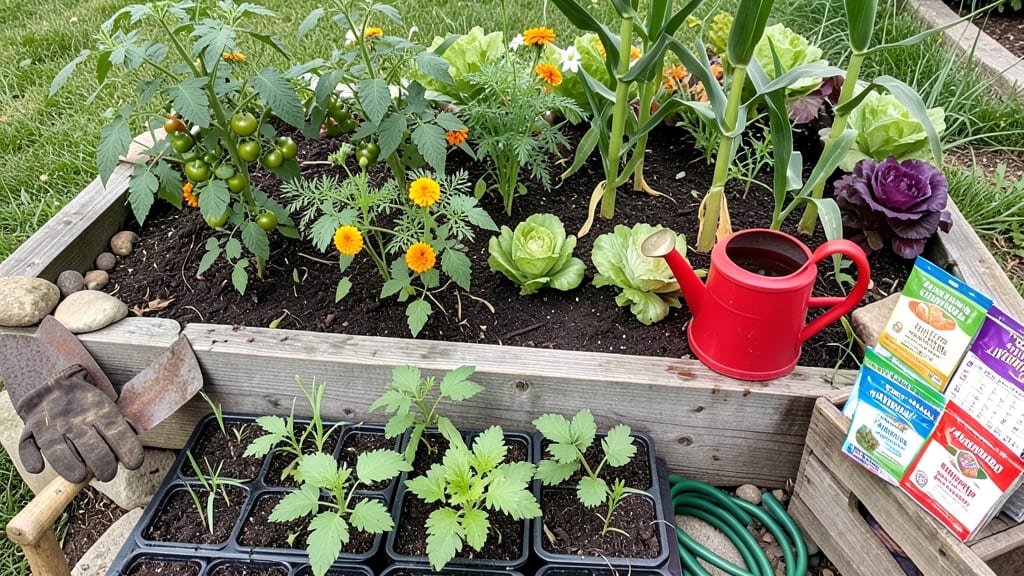
When to plant a garden in Indiana is all about timing—get it right, and you’ll enjoy a thriving harvest; get it wrong, and you might end up with frost-nipped disappointment. The difference between a bumper crop and a sad, frost-damaged garden often comes down to knowing your county’s last frost date like the back of your hand.
Here’s the kicker: Northern Indiana’s 5b-6b zones can have 2 weeks of frost risk where southern counties are already planting tomatoes by early May. Miss the window, and you’ll either be waiting too long for harvests or scrambling to cover seedlings when temperatures drop unexpectedly.
I’ve dug through Indiana’s climate data to give you the exact deadlines you need—whether you’re sowing 🌱 General Garden greens in April or saving fall planting for late August. No more guessing games; just proven dates to maximize your growing season.
Ready to stop playing roulette with your garden? Let’s break down the zone-specific planting schedule that’ll have your veggies thriving from Indianapolis to Evansville.
Indiana’s frost-free planting zones by county: when to start cool vs. warm season crops
Indiana spans USDA Hardiness Zones 5b-7a, meaning frost dates vary dramatically—from April 15 in southern counties like Gibson to May 10 in northern areas like Lake County. These differences dictate whether you can plant cool-season crops like lettuce in March or must wait until late April.
Understanding your county’s last average frost date prevents costly mistakes like frozen seedlings or missed harvest windows.
For warm-season crops (tomatoes, peppers, beans), timing is equally critical. Planting too early risks stunted growth from soil temperatures below 60°F, while waiting too long cuts your harvest season short.
Indiana’s 165-day frost-free window (on average) means you must strategize to maximize yields—whether through succession planting or fall crops like kale or spinach.
🌱 Pro Tip: Use row covers or a cold frame to extend your season by 2-3 weeks in early spring or late fall. This is especially useful in Zone 5b areas where frost lingers longer.
| County/Region | Last Frost Date | Plant Cool Crops (Lettuce, Peas) | Plant Warm Crops (Tomatoes, Peppers) | Fall Planting Window |
|---|---|---|---|---|
| Southern (Gibson, Posey, Vanderburgh) | April 10–15 | March 15–April 1 | April 20–May 5 | August 20–September 10 |
| Central (Marion, Hamilton, Boone) | April 20–25 | April 1–15 | May 1–15 | August 10–September 5 |
| Northern (Lake, Porter, LaGrange) | May 5–10 | April 15–30 | May 15–30 | August 5–August 20 |
🌡️ Note: Adjust dates 1–2 weeks earlier for urban areas (heat islands) or later for high-elevation spots.
In Zone 6a (central Indiana), like Marion County, you can start spinach and radishes indoors as early as February 15 for a March transplant. Meanwhile, northern Indiana’s Zone 5b gardeners should wait until April 15 to avoid frost damage.
For warm-season crops, soil temperature matters more than air temperature—use a soil thermometer to confirm 60°F+ before planting.
💡 Key Insight: Indiana’s first frost typically arrives around October 15, but fall planting can continue until September 10 in southern counties and August 20 in the north. Fast-maturing crops like bush beans or zucchini planted in late July may still yield before frost.
For perennials and shrubs, timing shifts to early spring (March–April) when soil is workable but before buds swell. In Zone 7a (southern Indiana), you can even plant bare-root roses in late winter, but northern zones require waiting until April 1 to avoid winterkill.
🌿 Action Step: Bookmark your county’s last frost date and set reminders for soil warming (use black plastic mulch in early spring). For container gardening, warm-season crops can be planted 2 weeks earlier since pots heat up faster.
Indiana’s microclimates create nuanced differences even within counties. For example, Indianapolis’ urban core may see 5–10°F warmer nights than nearby rural areas, allowing slightly earlier plantings. Always monitor local weather forecasts and adjust your schedule accordingly.
📅 Remember: Succession planting every 2–3 weeks ensures a continuous harvest. For instance, plant lettuce every 10 days from April to August to avoid bolting (going to seed) in Indiana’s hot summers.
How to adjust planting dates for Indiana’s microclimates: urban vs. rural, north vs. south
Indiana’s diverse microclimates mean your neighbor’s planting schedule might not work for you. Urban areas like Indianapolis can be 5-10°F warmer than rural spots near Lake Michigan due to the heat island effect.
Meanwhile, southern Indiana’s Ohio River valley enjoys earlier frost-free dates than northern counties. These variations can shift your planting window by 2-3 weeks—so let’s break down how to adjust for your specific location.
First, consider your local elevation. Areas near Lake Michigan (e.g., Gary, South Bend) often experience cooler, delayed springs due to lake-effect cooling. In contrast, rural southern Indiana (e.g., Evansville, Terre Haute) tends to warm up faster, allowing for earlier warm-season plantings. Use these adjustments to fine-tune your schedule:
| Microclimate | Last Frost Date | Warm-Season Planting Window | Cool-Season Planting Window |
|---|---|---|---|
| Urban (Indianapolis, Fort Wayne) | April 22–May 2 | May 10–20 (after soil warms) | March 15–April 10 (with row covers) |
| Northern Rural (Lake Michigan) | May 1–10 (delayed by lake) | May 25–June 5 (wait for warmth) | March 20–April 15 (use cold frames) |
| Southern Rural (Ohio River) | April 10–20 (earlier warmth) | April 25–May 10 (start early) | March 1–March 15 (longer cool season) |
If you’re in a city garden, account for asphalt and concrete heat by planting heat-loving crops like tomatoes and peppers slightly earlier. Conversely, rural areas near water bodies should delay warm-season plantings until soil temperatures hit 60°F—use a soil thermometer to confirm.
For cool-season crops like lettuce or spinach, urban gardens can start 2 weeks earlier than rural areas.
Another trick? Check your local weather station data for the past 5 years—some years, northern Indiana’s frost date can shift 10 days later than average. Websites like Almanac.com or NOAA’s climate tools provide free county-specific frost history.
Pro tip: If you’re near a large body of water, add 1-2 weeks to frost dates to play it safe.
For container gardening in cities, warm soil heats up faster, so you can plant warm-season crops like basil or cucumbers 10-14 days earlier than in-ground gardens. Just monitor for overnight temps below 50°F and use row covers if needed.
In rural areas, focus on succession planting to stretch your harvest window—plant lettuce every 2 weeks from March to July.
Remember, microclimates aren’t just about location—they’re also about sun exposure. A south-facing urban garden in Indianapolis might be 10°F warmer than a north-facing rural plot. Use these adjustments to maximize your garden’s potential without risking frost damage or wasted effort.