
Planting
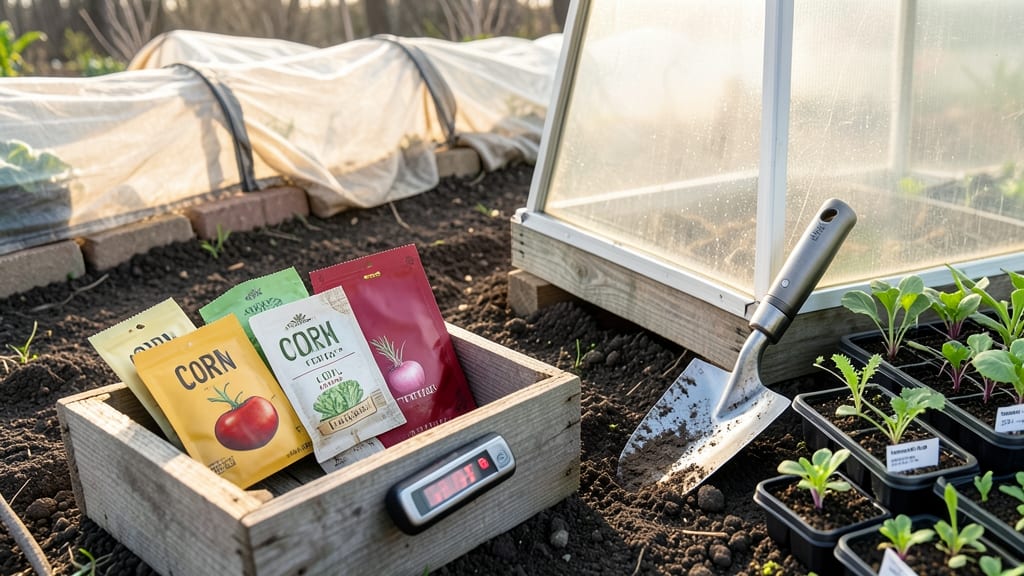
Knowing when to plant a vegetable garden in Iowa can mean the difference between a thriving harvest and a sad, frost-killed disappointment. The Corn Belt’s unpredictable frost dates—especially in USDA Zones 4a-5b—make timing everything for your 🌱 greens, roots, and tomatoes.
Iowa’s average last frost falls between April 15 and May 15, but your exact planting window depends on whether you’re in a sheltered valley or an exposed prairie.
That’s why I’ve dug into Iowa State University’s data to give you the precise weeks before last frost for cool-season crops (like peas and spinach) versus warm-season stars (tomatoes and peppers).
You’ll also discover how to stretch your growing season with cold frames and row covers—critical tricks for Zone 4a gardeners facing early frosts. Whether you’re a first-time planter or a veteran gardener, these region-specific strategies will help you avoid common mistakes and maximize your yield.
Ready to turn your backyard into a productive patch of Iowa farmland? Let’s break down the exact planting schedule, frost-proofing tips, and succession planting hacks that’ll keep your garden thriving from spring to fall.
Iowa’s last frost dates by region: microclimate map & planting zones
Iowa’s last spring frost can vary by 15–20 days across the state, making regional planning essential. The average last frost date ranges from April 15 in southern Iowa (Zone 5b) to May 15 in northern areas (Zone 4a). These dates determine when to start warm-season crops like tomatoes and peppers.
Microclimates further complicate timing. Urban areas like Des Moines often experience 2–3°F warmer nights than rural zones, while valleys and low-lying spots may frost 1–2 weeks later. Always check Iowa State University’s frost maps for your specific location.
For Zone 4a (northwest Iowa), plan for a shorter growing season (120–140 frost-free days). Zone 5b (southeast) gardeners enjoy 150+ days, ideal for heat-loving crops like sweet corn and peppers. Use these USDA zone guidelines as your baseline, then adjust based on recent weather patterns.
| Region | USDA Zone | Avg. Last Frost | Frost-Free Days | Adjustment |
|---|---|---|---|---|
| Northwest (Sioux City) | 4a | May 15 | 120–130 days | Use cold frames |
| Central (Des Moines) | 5a | April 25 | 140–150 days | Standard timing |
| Southeast (Davenport) | 5b | April 15 | 150+ days | Extend fall season |
| Urban Heat Islands | 5a–5b | April 10–20 | 145–155 days | Plant 1 week earlier |
🌡️ Pro Tip: Check local almanac records for the past 5 years to refine your planting schedule.
First-time gardeners often overlook first fall frost dates, which range from October 10 in southern Iowa to October 1 in northern areas. Plan your fall planting accordingly—cool-season crops like spinach and kale thrive in these cooler months.
For organic gardeners, soil temperature is critical. Use a soil thermometer to confirm 50°F+ for warm-season crops. In Zone 4a, wait until May 20 to plant tomatoes, while Zone 5b gardeners can start as early as April 25.
Urban gardeners in Des Moines or Cedar Rapids can push planting dates 1 week earlier due to the urban heat island effect. Monitor local weather forecasts and adjust your schedule if unseasonably warm spells occur in April.
Historical data shows that late frosts occur in 1 out of 3 years in Iowa. To mitigate risks, use row covers or cold frames to protect early plantings. Always have a backup plan for sensitive crops like peppers and eggplants.
Iowa State University’s Mesonet weather stations provide real-time frost predictions. Bookmark their frost probability maps for up-to-date adjustments. With precise timing, you’ll maximize your garden’s potential—no more wasted seeds or missed harvests!
Remember: Microclimates matter. A south-facing wall can extend your growing season by 2–3 weeks in some areas. Use these regional insights to tailor your planting schedule for a successful Iowa harvest.
Exact weeks before last frost for Iowa vegetables: cool vs. warm season planting schedule
Timing your vegetable garden in Iowa isn’t just about the calendar—it’s about weeks before your last frost.
Cool-season crops like spinach and peas thrive when planted 6–8 weeks before the average last frost (April 15–May 15), while warm-season favorites like tomatoes and peppers need to wait until 2–4 weeks after frost risk passes. Get this wrong, and you’ll end up with bolted lettuce or stunted zucchini.
Iowa’s USDA Zones 4a–5b mean your planting window can shift by 2–3 weeks depending on location. For example, Des Moines (Zone 5a) typically has a later last frost than Dubuque (Zone 4b)—so adjust your schedule accordingly. Always check Iowa State University’s frost date maps for your specific microclimate.
Here’s the exact countdown for Iowa’s most popular vegetables, broken down by season:
- Lettuce, Spinach, Kale: Start seeds indoors 4–6 weeks before last frost; transplant 6 weeks before.
- Peas, Radishes, Carrots: Direct-sow 4–6 weeks before frost—radishes mature in just 25 days!
- Onions, Broccoli, Cabbage: Plant 6–8 weeks before for a fall harvest.
- Tomatoes, Peppers, Eggplants: Wait until soil hits 60°F+—usually May 15–June 1 in most of Iowa.
- Beans, Corn, Cucumbers: Sow after frost when nights stay above 50°F.
- Melons, Squash: Plant 2–3 weeks after last frost for longer growing seasons.
- Radishes, Lettuce, Bush Beans: Sow new batches every 2 weeks for continuous harvests.
- Green Onions, Arugula: Thin seedlings to 2 inches apart and replant gaps.
For organic gardeners, focus on compost-rich soil to help seedlings establish faster—especially for warm-season crops that need to catch up after frost. If you’re in Zone 4a (northwest Iowa), consider starting tomato seeds indoors in early March to transplant 4 weeks before your last frost.
Missed the window? Don’t panic! Fall planting works for kale, carrots, and radishes—just sow 6–8 weeks before your first frost (October 15–November 1). Use a frost calendar to track your local dates and adjust yearly.
🌱