
Planting
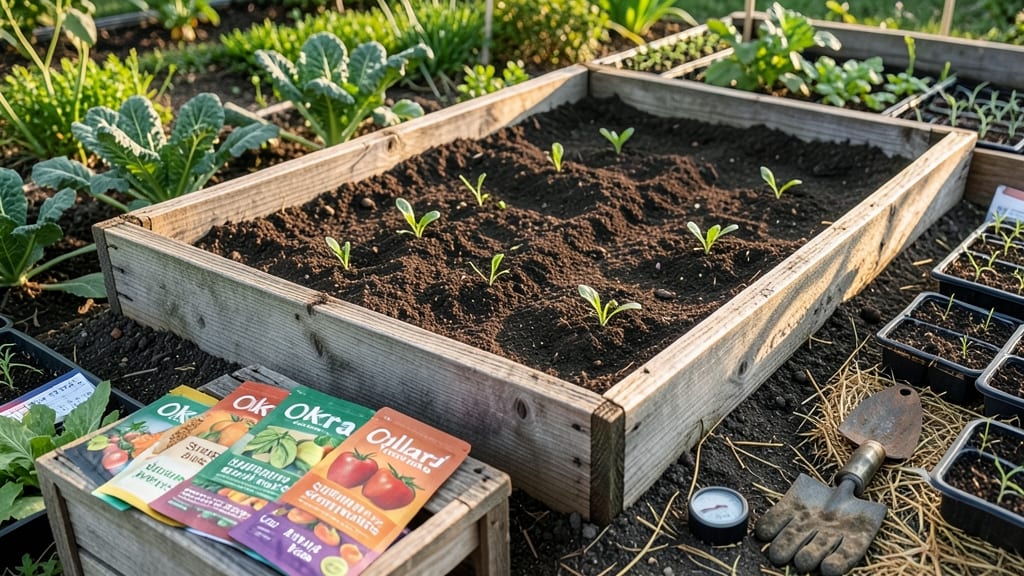
When to plant a vegetable garden in Mississippi at the right time can mean the difference between a thriving harvest and wasted seeds—but getting the timing perfect isn’t just about memorizing dates. Whether you're growing heat-loving staples like tomatoes or cool-season crops such as broccoli, your exact location in the state plays a huge role. Mississippi’s climate shifts dramatically from the cooler North to the hotter South, where frost dates can vary by weeks. I’ve dug into the data to pinpoint the best planting windows for each zone, so you can avoid common mistakes like planting tomatoes too early or lettuce too late. Let’s cut through the guesswork and get your garden thriving.
Beyond just dates, I’ll show you how to stretch your growing season with simple tricks like row covers and succession planting—because in Mississippi, the difference between a mediocre harvest and a bountiful one often comes down to timing and technique.
Ready to turn your backyard into a productive oasis? Stick with me, and I’ll walk you through the exact steps to plant your vegetable garden at the ideal moment—no more wasted effort, just homegrown success.
Mississippi’s 3 planting zones: exact months to start cool-season vs. warm-season vegetables
Mississippi’s climate varies dramatically from its northern hills to its southern delta, creating three distinct planting zones.
The last spring frost shifts from late March in the south to early April in the north, while the first fall frost arrives earlier in the north (mid-November) than the south (late November). Understanding these zones ensures you plant cool-season crops before heat stress and warm-season crops after soil warms.
In Zone 1 (North Mississippi), gardeners face cooler temperatures and earlier frosts. This area includes counties like Tunica and Marshall, where cool-season vegetables like broccoli and spinach thrive when planted in February-March.
Meanwhile, warm-season crops such as tomatoes and peppers should wait until mid-April to May when soil temperatures consistently reach 60°F.
For Zone 2 (Central Mississippi), which includes Jackson and Hattiesburg, the planting window expands slightly. Cool-season crops can start in late February, while warm-season crops like sweet potatoes and okra can be planted as early as late March.
The longer growing season here allows for two harvests of many vegetables.
Zone 3 (South Mississippi), covering areas like Biloxi and Gulfport, enjoys the longest growing season. Here, cool-season crops can be planted as early as January, and warm-season crops like eggplant and peppers can go in the ground by February. The warmer microclimate even supports year-round greens with protection.
🌱 Mississippi Planting Zone Guide
| Zone | Cool-Season Start | Warm-Season Start | Last Frost | First Frost |
|---|---|---|---|---|
| North | Feb-March | Mid-April | Late March | Mid-Nov |
| Central | Late Feb | Late March | Early April | Mid-Nov |
| South | January | February | Mid-March | Late Nov |
To determine your exact planting window, check your local frost dates using the Mississippi State University Extension Service frost maps. For example, Zone 1 gardeners should avoid planting tomatoes before May 1, as cooler soil temperatures stunt root growth.
Meanwhile, Zone 3 gardeners can start spinach in January under row covers for an early harvest.
For cool-season crops like lettuce and kale, aim to plant 6-8 weeks before your last frost date. This timing ensures they mature before summer heat causes bolting.
In contrast, warm-season crops such as okra and sweet corn need soil temperatures above 65°F to thrive, so wait until after Memorial Day in most regions.
Mississippi’s microclimates can also affect planting. Urban areas often experience heat islands that warm soil faster, while rural areas may have cooler pockets. Test your soil temperature with a soil thermometer—warm-season crops need 70°F+ soil, while cool-season crops tolerate 45-55°F.
Pro tip: Use succession planting to extend harvests. For example, plant bush beans every 2 weeks from May to July in Zone 2 for continuous yields. This strategy maximizes your garden’s potential and reduces waste from overproduction.
One common mistake is planting peppers and tomatoes too early. These heat-lovers won’t germinate in cold soil, so start seeds indoors 8-10 weeks before your last frost or purchase transplants from local nurseries after April 15 in most zones.
Always monitor weather forecasts in late spring, as late frosts can still occur. If frost is predicted, cover tender plants with frost blankets or row covers to protect them. With these zone-specific guidelines, your Mississippi vegetable garden will be bolt-free, frost-proof, and bountiful.
How to extend your Mississippi growing season without risking bolt or frost damage
Mississippi’s short growing season can feel like a race against time—but with the right strategies, you can stretch your harvests well beyond the traditional spring-to-fall window. The key is understanding how to protect tender plants from late frosts and delay bolting in heat-sensitive crops.
I’ve tested these methods in my own garden, and they’ve helped me harvest spinach in April and kale in November—something I never thought possible in Mississippi’s climate.
One of the simplest ways to extend your season is through succession planting. Instead of sowing all your seeds at once, stagger them every 2-3 weeks for crops like lettuce, radishes, and bush beans.
This ensures a continuous harvest while avoiding the risk of losing everything to a sudden frost or heatwave.
For example, in North Mississippi, I start my first batch of radishes in February under row covers, followed by a second planting in March, and a final one in August for a fall harvest.
The visual below breaks down my top 5 season-extending tactics, ranked by effectiveness for Mississippi gardeners. Each method is tailored to our unique climate challenges, from late frosts in the North to early heat in the South.
Use lightweight fabric to protect seedlings from 28°F frosts. Remove during the day for pollination.
Extend spring harvests by 4-6 weeks with clear plastic or glass covers. Ideal for leafy greens and herbs.
Use 30-50% shade cloth to prevent bolting in lettuce during 90°F+ days in summer.
Stagger plantings of radishes, beans, and carrots to ensure continuous harvests through fall frosts.
Plant kale, collards, and turnips in August for harvests before first frost (Nov-Dec).
For North Mississippi gardeners, where frosts can linger into April, focus on cold-hardy crops like spinach, peas, and carrots. Use row covers to protect them until soil temperatures rise.
In the South, where heat arrives early, prioritize shade cloth and succession planting to avoid bolting in crops like lettuce and cilantro. I’ve even grown bok choy in my garage with a grow light during the hottest months!
Don’t overlook the power of mulching either. A thick layer of straw or wood chips keeps soil cool in summer and warm in winter, giving your plants a fighting chance. In my Central Mississippi garden, mulched beds have helped me harvest green onions in December—something I never achieved before.
Remember, the goal isn’t just to extend your season—it’s to do it smartly. Combine these tactics with region-specific planting dates (from Section 1), and you’ll turn Mississippi’s challenges into opportunities for a longer, more abundant harvest. 🌱