
Planting
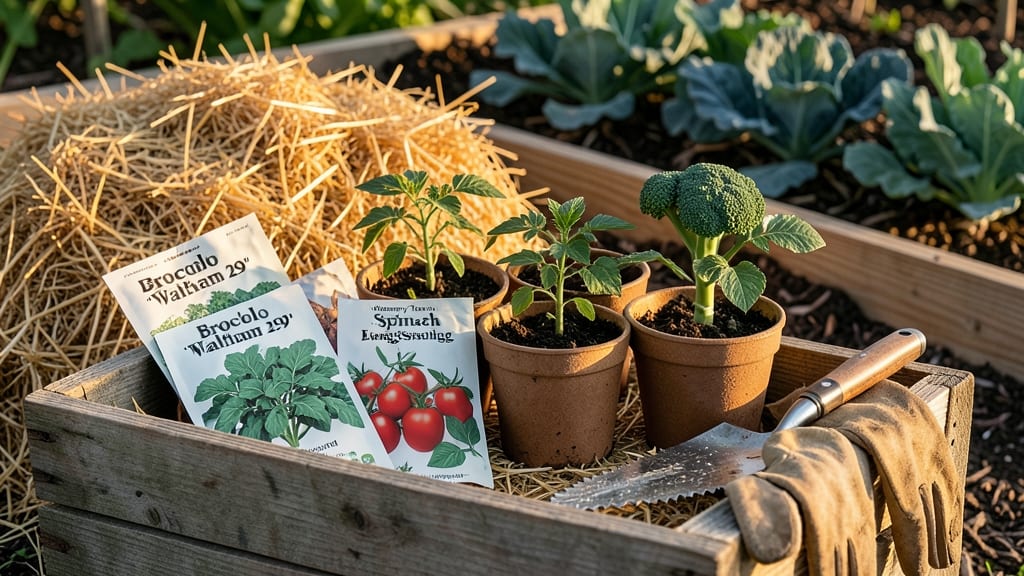
When to plant a vegetable garden in New Jersey 🥬 isn’t just about following a calendar—it’s about beating frost, avoiding bolting, and working with your county’s unique microclimate. Plant too early, and a late frost could wipe out your seedlings; too late, and your tomatoes might flower before they’re ready to harvest. With USDA Zones 6a-7b and frost dates that shift from Cape May to Sussex County, getting the window right makes all the difference.
Most gardeners in NJ know the broad planting windows—spring from March 15 to May 15 and fall from July 1 to August 15—but the devil’s in the details.
Coastal areas like Ocean County can plant 2-3 weeks later than inland spots like Morris County, where warmer microclimates near cities might call for an earlier start. The key? Knowing your last frost date and adjusting for heat zones, not just the almanac’s average.
In this guide, I’ll break down the exact planting deadlines by county, so you can avoid common mistakes like rushing warm-season crops or missing the sweet spot for cool-season greens.
Whether you’re growing lettuce that bolts in 5 minutes of heat or tomatoes that need 60+ days of warmth, timing is everything. Let’s get your garden on the right schedule.
You’ll also discover how to extend your growing season with row covers, when to fertilize for maximum yield, and why soil temperature matters more than air temperature. By the end, you’ll have a foolproof plan to turn your NJ garden into a year-round harvest—no guesswork, just zero-bolt success.
NJ frost-date deadlines by county: exact planting windows for zero-bolt success
New Jersey’s last spring frost dates can vary by 2-3 weeks between counties, so knowing your exact zone is critical. For example, Cape May typically sees its last frost around April 20, while Sussex County may still experience frost until May 5.
These variations mean your tomatoes in coastal areas can go in the ground 3 weeks earlier than those in the northern mountains.
Warm-season crops like peppers, tomatoes, and cucumbers need soil temperatures above 60°F to thrive. In Atlantic County, this usually happens by April 25, but in Morris County, you may need to wait until May 10.
Cool-season crops like spinach, kale, and lettuce can handle light frosts, so they should be planted 4-6 weeks before your average last frost date.
Here’s your county-by-county breakdown of last spring frost dates, ideal planting windows for warm-season crops, and fall frost dates for extending your harvest:
| County | Last Spring Frost | Warm-Season Planting Window | First Fall Frost | Notes | ||||||||||||||||||
|---|---|---|---|---|---|---|---|---|---|---|---|---|---|---|---|---|---|---|---|---|---|---|
| Atlantic | April 18 | May 1 - May 15 | November 5 | Coastal moderation delays frost | ||||||||||||||||||
| Bergen | April 25 | May 10 - May 25 | November 10 | Urban heat islands may warm soil faster | ||||||||||||||||||
| Burlington | April 22 | May 5 - May 20 | November 8 | River valleys can be 2-3°F warmer | ||||||||||||||||||
| Cape May | April 20 | April 25 - May 10 | November 1 | Earliest frost-free zone in NJ | ||||||||||||||||||
| Essex | April 28 | May 15 - May 30 | November 12 | Higher elevations may delay planting | ||||||||||||||||||
| Gloucester | April 20 | May 1 - May 15 | November 6 | Pinelands area stays cooler | ||||||||||||||||||
| Hudson | April 22 | May 5 - May 20 | November 7 | River influence extends season | ||||||||||||||||||
| Hunterdon | April 28 | May 15 - May 30 | November 10 | Inland frost pockets possible | ||||||||||||||||||
| Mercer | April 25 | May 10 - May 25 | November 9 | Urban areas warm up faster | ||||||||||||||||||
| Middlesex | April 23 | May 8 - May 23 | November 8 | Coastal influence in southern areas | ||||||||||||||||||
| Monmouth | April 19 |
How to adjust planting dates for NJ’s microclimates: coastal vs. inland strategiesNew Jersey’s diverse microclimates mean your neighbor’s perfect planting schedule might not work for you. Coastal areas like Cape May often enjoy 2-3 weeks later frost dates than inland counties like Sussex, while urban heat islands (think Newark or Jersey City) can push spring starts 1-2 weeks earlier. Understanding these variations helps you avoid frost damage or bolting in heat-sensitive crops. For example, tomatoes planted in Atlantic County (coastal) might wait until May 1, while Morris County gardeners should start by April 15. Similarly, spinach can go in March 1 in Hunterdon but wait until March 15 near the shore. These adjustments prevent wasted effort and ensure optimal harvest windows. 🌱
To fine-tune your schedule, monitor local conditions like soil temperature (use a soil thermometer—aim for 60°F+ for warm-season crops). Coastal areas benefit from ocean breezes that delay heat stress, while inland zones may need shade cloth during sudden 90°F+ days. For example, peppers in Middlesex County might need afternoon shade in July. Extend your growing season with row covers or cold frames—these can push spring starts 2-3 weeks earlier or delay fall harvests until October or November. For instance, kale under row covers can survive until first frost (around November 1 in most of NJ), while uncovered plants may bolt by mid-October. Succession planting every 2 weeks ensures a steady supply of lettuce or radishes from spring to fall. Pro tip: Check NJ State Climate Office reports for real-time adjustments. Their microclimate maps show how elevation and proximity to water affect frost dates—critical for high-value crops like eggplants or okra, which need precise timing to thrive. 🌿 |