
Planting
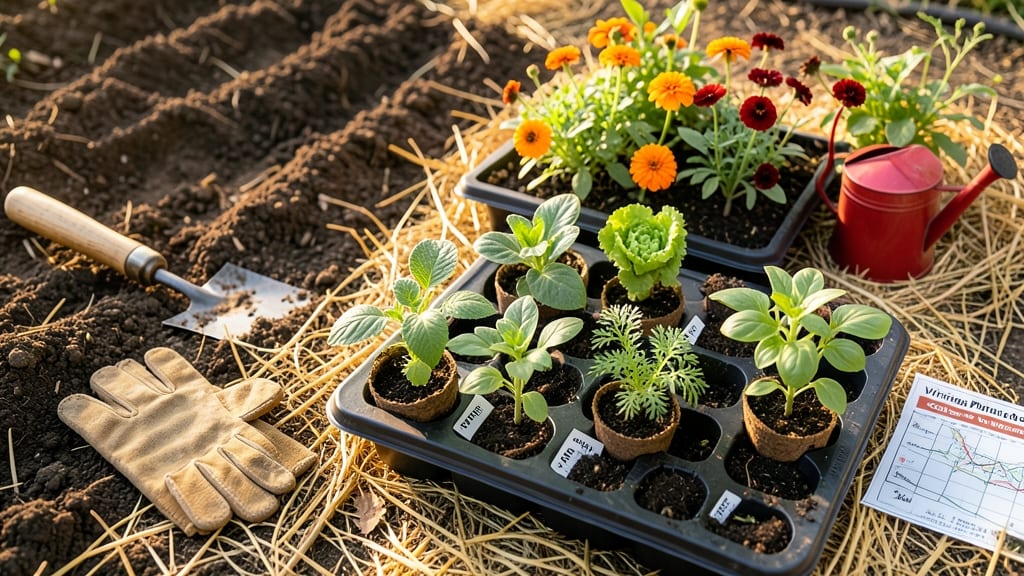
Knowing when to plant a vegetable garden in Virginia isn’t just about checking a calendar—it’s about reading your local microclimate like a pro. Whether you’re in the warm coastal plains or cooler mountain valleys, getting your timing right means the difference between a bumper crop and a sad, wilted disappointment.
With Virginia’s Zone 6a-8a range, your neighbors might be planting tomatoes while you’re still frost-proofing your lettuce. I’ll break down the exact windows for cool-season starters (like peas and carrots) and warm-season heavyweights (tomatoes, peppers) so you can align your 🌱 vegetable garden with your specific corner of the state.
No more guessing—just data-backed deadlines for Richmond’s urban heat islands, Charlottesville’s rolling hills, or Abingdon’s high-elevation chill. You’ll learn how to adjust for your local frost dates, extend your growing season with row covers, and even troubleshoot common mistakes that derail first-time gardeners.
Ready to turn your backyard into a year-round harvest hub? Let’s get those seeds in the ground at the perfect moment—no more, no less. Your future salads and salsa are waiting.
Virginia Zone 7a/7b planting calendar: exact dates for warm-season vegetables
Virginia’s Zone 7a/7b warm-season vegetables thrive when planted after the last frost, but exact dates vary by region. For Richmond (Zone 7a), aim for March 15–April 15 for most crops, while Roanoke (Zone 7a) and Blacksburg (Zone 7b) can start slightly later, around April 1–April 15.
These windows ensure soil temperatures exceed 60°F, critical for germination.
Your last frost dates are the anchor for timing: Zone 7a typically sees frost by March 1, while Zone 7b holds off until March 15. Warm-season crops like tomatoes, peppers, and squash need 120–150 frost-free days to mature, so planting too late risks stunted growth.
🌱
| Vegetable | Zone 7a Planting Window | Zone 7b Planting Window | Soil Temp Requirement | Days to Maturity |
|---|---|---|---|---|
| Tomatoes | April 15–May 1 | April 1–April 15 | 60°F+ | 70–90 days |
| Peppers | April 15–May 1 | April 1–April 15 | 65°F+ | 60–80 days |
| Squash | April 1–April 15 | March 25–April 1 | 60°F+ | 45–60 days |
| Corn | April 15–May 1 | April 1–April 15 | 60°F+ | 60–90 days |
| Green Beans | April 15–May 1 | April 1–April 15 | 55°F+ | 50–60 days |
For urban heat islands (e.g., Norfolk), you can plant 1–2 weeks earlier thanks to warmer microclimates. Conversely, mountain regions like Blacksburg may need to delay by 1 week if nights remain chilly. Always check soil temperatures with a probe—60°F+ is non-negotiable for warm-season crops.
Extend your harvest by planting successive crops every 2 weeks after your initial window. For example, sow bush beans on April 15, May 1, and June 1 to enjoy a continuous supply. This works especially well for fast-maturing crops like radishes or lettuce in late summer.
If you’re using row covers or black plastic mulch, you can push planting dates 1–2 weeks earlier by warming the soil faster. However, remove covers once plants emerge to prevent overheating. Tomatoes and peppers benefit most from this hack, as they’re frost-sensitive but slow to germinate.
🌿
For frost-sensitive crops like cucumbers or melons, consider starting seeds indoors 4–6 weeks before your outdoor window. Transplant seedlings after May 1 in Zone 7a or April 20 in Zone 7b to avoid transplant shock.
Harden off seedlings by moving them outdoors for 2–3 hours daily starting 1 week before
Cool-season planting hacks: when to start seeds indoors vs. direct-sow in Virginia
Cool-season vegetables like lettuce, broccoli, and carrots are your secret weapon for early harvests in Virginia. The key is timing—start seeds indoors 4-6 weeks before your last frost date, but direct-sow hardy crops like peas and spinach as soon as the soil warms to 40°F.
For Zone 7a (e.g., Richmond), that means late February to early March for indoor starts, while Zone 7b (e.g., Norfolk) can begin 2 weeks earlier.
I’ve planted cool-season crops for years in Virginia’s Piedmont, and I’ve learned that rushing seedlings outdoors too early is a one-way ticket to frost damage. Use these indoor vs. outdoor rules to avoid common mistakes:
For example, if your last frost date is March 15 (Zone 7a), start broccoli seeds indoors on February 1 and transplant seedlings outdoors on March 1. Meanwhile, peas can go straight into the garden on February 20—they handle cooler temps better than most crops.
This staggered approach ensures you’re never without fresh greens or roots.
Pro tip: Use a soil thermometer to confirm ground temps are above 40°F before direct-sowing. Cold soil slows germination, and you’ll end up with patchy, uneven seedlings.
I’ve seen gardeners in the Blue Ridge Mountains wait until April 1 for direct-sowing because their soil stays colder longer—even if their calendar says “go ahead.”
Don’t forget about fall planting! Many cool-season crops thrive when days shorten. In Zone 7a, you can direct-sow spinach and kale as late as August 15 for harvests before the first frost.
Just aim for crops to mature 60 days before your expected frost date (November 1 for Zone 7a).
Row covers are your best friend for extending the season. A simple floating row cover can add 10-14°F of protection, letting you plant lettuce and carrots a full month earlier in spring or harvest kale and radishes weeks later in fall.
I’ve used them to grow baby lettuce in January—yes, even in Virginia’s chillier zones!
Your goal? A year-round harvest with minimal gaps. Start with these cool-season hacks, and you’ll have fresh salads from March through November—no greenhouses required. Just watch those frost dates and adjust your schedule like a pro.