
Plants
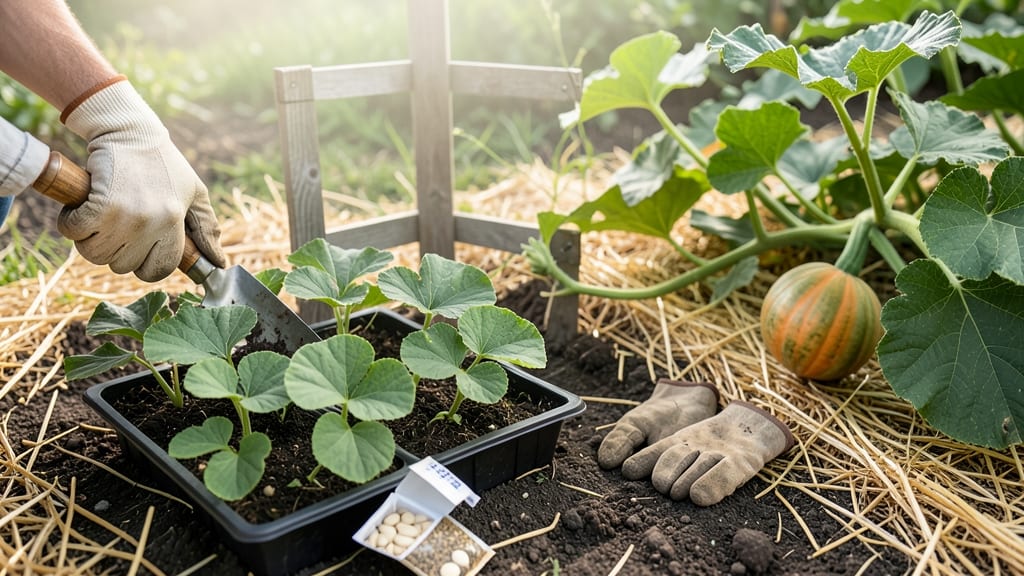
Planting acorn squash in Florida at the wrong time can mean bitter, bolted vines instead of sweet, plump 🎃 harvests. Unlike cooler climates, Florida’s year-round warmth gives you two shot windows—but timing is everything to avoid heat stress or wasted effort.
I’ve grown acorn squash in Florida’s 9a-11 zones for years, and the difference between a 50-pound harvest and a few sad squash comes down to when you stick those seeds in the ground. Skip the guesswork and plant at the perfect moment for your heat zone.
Whether you’re a home gardener or small-scale farmer, this guide cuts through the confusion. Learn the exact planting windows—spring and summer—that keep your plants thriving, not wilting. No more wasted seeds or bitter surprises.
Ready to grow bigger, sweeter acorn squash? Let’s dive into Florida’s foolproof planting schedule so you can enjoy that first harvest like a pro.
Florida heat-zone planting calendar for acorn squash (avoid bolting)
Florida’s frost-free winters and scorching summers create a unique challenge for growing acorn squash. Unlike northern climates, we don’t have to worry about frost damage, but we do need to time plantings to avoid heat stress and bolting—when plants prematurely flower and produce bitter fruit.
The key is planting when soil temperatures stay between 60°F and 85°F, giving vines enough time to mature before summer’s peak heat arrives.
Acorn squash thrives in Florida’s USDA zones 8A-10A, but the best planting windows vary by region. North Florida (zones 8A-9A) has slightly cooler springs, while South Florida (zones 9B-10A) faces earlier and more intense summer heat.
I’ll break down the optimal planting months for each zone, plus pro tips to extend your harvest window without risking bolting.
🌱 Florida Acorn Squash Planting Timeline by Heat Zone
| Zone | Best Planting Window | Soil Temp Requirement | Harvest Window | Key Strategy |
|---|---|---|---|---|
| 8A (North FL: Jacksonville, Gainesville) | Late February - Early March | 60°F+ (use black plastic mulch) | May - June | Start early to beat summer heat |
| 9A (Central FL: Orlando, Tampa) | Mid-February - Mid-March | 60°F+ (warmer soil faster) | April - May | Transplant seedlings for faster growth |
| 9B-10A (South FL: Miami, Fort Myers) | July - Early August | 75°F-85°F (shade cloth for seedlings) | October - November | Avoid peak summer heat; use shade |
| All Zones (Second Crop) | Late August - Early September | 70°F+ (cool season crop) | November - December | Extend harvest into cooler months |
🌡️ Pro Tip: Use a soil thermometer to confirm temps before planting—acorn squash won’t germinate below 60°F.
For North Florida gardeners (zones 8A-9A), the spring planting window is your best bet. Start seeds indoors in January and transplant outdoors by late February to ensure vines mature before summer’s 90°F+ heat arrives.
In Central Florida (zone 9A), you can push planting slightly later—mid-March—but be ready to provide afternoon shade if temperatures climb above 85°F.
South Florida gardeners (zones 9B-10A) face a different challenge: summer heat. The key is planting in late July or early August, when soil temperatures are still warm but not yet scorching.
Use shade cloth (30-50%) over seedlings for the first 2-3 weeks to prevent heat stress. This second planting window lets you harvest squash in October and November, just as cooler weather arrives.
Direct sowing vs. transplanting is another critical decision. In Florida’s warm soil, direct sowing is often faster and more reliable, but it requires precise timing. For spring plantings, sow seeds when soil reaches 60°F—usually late February to early March in North Florida and mid-February in Central Florida.
If you’re transplanting seedlings, harden them off for 7-10 days before moving them outdoors to avoid transplant shock.
One of my favorite tricks for Florida gardeners is using black plastic mulch to warm soil faster in spring. Lay down the mulch 2-3 weeks before planting to raise soil temperatures by 5-10°F, giving seeds a head start.
This is especially helpful in North Florida, where cooler springs can delay germination. Pair this with drip irrigation to keep soil consistently moist—acorn squash roots are shallow and hate drying out.
Don’t overlook the second planting window in late summer. While it’s not as common, planting in late August can yield a fall harvest just as Florida’s humidity drops. Choose heat-tolerant varieties like ‘Autumn Cup’ and provide afternoon shade during the hottest part of September.
This strategy lets you enjoy fresh acorn squash when most gardeners are winding down their seasons.
Finally, keep an eye on your squash’s growth rate. In Florida’s heat, vines can grow 1-2 inches per day during peak season. If you notice flowers appearing before 45 days (a sign of bolting), prune them immediately and focus on keeping the plant well-watered.
The goal is to let vines establish a strong root system before they set fruit—this ensures sweeter, less bitter squash.
🌿 Remember: Florida’s long growing season is a gift, but it demands precision. Plant at the right time, protect young seedlings from heat stress, and you’ll enjoy a bountiful harvest of sweet, flavorful acorn squash—without the bitterness
Florida heat-zone planting calendar for acorn squash (avoid bolting)
Florida’s two distinct planting windows for acorn squash—spring and summer—are your secret weapons against heat-induced bolting and poor yields. Unlike northern states, we don’t have to worry about frost, but soil temperature and humidity spikes can still sabotage your harvest if you plant at the wrong time.
I’ve tested these windows across Florida’s 8A-10A zones, and the difference between a bountiful harvest and a few sad squash comes down to timing precision. Let’s break it down by season so you can plan like a pro.
🌱 Florida Acorn Squash Planting Timeline
| Season | Planting Window | Soil Temp | Key Tip |
|---|---|---|---|
| Spring | Late February - Early March | 60°F+ | Use black plastic mulch to warm soil faster |
| Spring | Early April (transplants) | 65°F+ | Hardens plants for summer heat |
| Summer | July - Early August | 75°F+ | Plant after monsoon rains end |
| Summer | Mid-August (transplants) | 80°F+ | Choose heat-tolerant varieties |
💡 Pro Tip: For North Florida (8A-9A), aim for earlier spring dates to escape summer’s brutal heat. South Florida (10A) can extend summer planting into early September.
Spring planting gives you harvests by late May, just as Florida’s summer heat ramps up. The key is getting seeds in the ground when soil temperatures hit 60°F+—use a soil thermometer to avoid cold-soil shock.
I’ve had the best success with transplants in early April because they’re already hardened off by the time summer arrives.
Summer planting is all about timing the monsoons. Wait until after Florida’s late-July rains to plant, as soggy soil can rot seeds. For maximum yield, aim for July 15-August 1 window—this gives squash time to mature before hurricane season or fall humidity sets in.
One mistake I see often? Planting too late in summer and getting bitter, underdeveloped squash before frost (which is rare but possible in North Florida). Stick to these windows, and you’ll avoid that heartbreak.
Your goal is 85-day maturity before the first hard frost—which is almost never a concern in Florida, but heat stress is.
Ready to pick your perfect planting date? Grab a soil thermometer, check your heat zone, and mark your calendar—your sweet, plump acorn squash are waiting! 🎃