
Plants
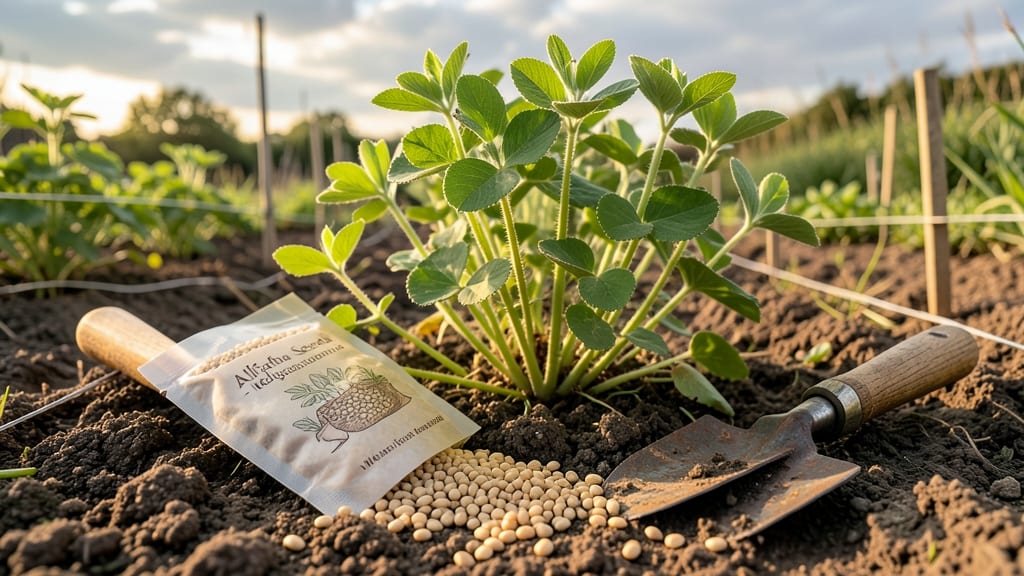
Timing your alfalfa planting in Oklahoma isn’t just about picking a month—it’s about syncing with the land’s natural rhythms to unlock its full potential. 🌱 With Oklahoma’s USDA zones 6a-8a offering two prime windows (early spring or late summer), even a week off can mean weaker roots or missed harvests.
Most gardeners here focus on March-April for spring planting, but late summer’s August-September window often delivers stronger drought resistance. The key? Planting after the last frost—usually mid-March in northern Oklahoma—when soil temperatures hit 50°F consistently.
Why does this matter? Alfalfa thrives when it can establish deep roots before Oklahoma’s summer heat sets in. We’ll break down how to prep your soil, spot the best microclimates in your region, and avoid common pitfalls like aphids that target stressed seedlings.
Whether you’re growing for livestock, soil health, or just curious about this hardy crop, getting the timing right means faster growth and higher yields—without the guesswork. Let’s dive into the exact steps to make your alfalfa planting a success.
Best planting months for alfalfa in Oklahoma’s climate zones
Oklahoma’s diverse climate zones (6a-8a) create two ideal windows for planting alfalfa: early spring and late summer. The best months depend on your region’s last frost date and soil warmth.
In northern Oklahoma, aim for March 15-April 15, while southern Oklahoma gardeners can start as early as February 28.
For late summer planting, August 1-September 15 gives seedlings time to establish before Oklahoma’s first frost. This second window often yields hardier plants due to cooler fall temperatures. The key is ensuring soil temps stay above 50°F—critical for germination.
🌱 Pro Tip: Use a soil thermometer to confirm readiness. Alfalfa seeds won’t sprout below 45°F, and waiting for 55°F+ speeds up growth.
| Region | Ideal Planting Window | Soil Temp Threshold | Last Frost Date |
|---|---|---|---|
| Northern OK (6a) | March 15-April 15 | 50°F+ consistently | March 1 |
| Central OK (7a) | March 1-April 30 | 50°F+ consistently | March 15 |
| Southern OK (8a) | February 28-April 15 | 50°F+ consistently | April 1 |
| All Regions | August 1-September 15 | 55°F+ consistently | N/A (fall planting) |
Oklahoma’s northern regions face higher frost risk, so planting after April 15 increases failure chances. Meanwhile, southern Oklahoma’s longer growing season lets you push spring planting to May 1—but yields may suffer from summer heat stress.
For late summer planting, focus on August 15-September 1 to avoid Oklahoma’s brutal July heat. Seedlings planted in early August often struggle with drought stress before rains return in September.
🌿 Regional Tip: Check your local USDA Plant Hardiness Zone map for precise frost dates. Oklahoma State University’s Mesonet weather station provides real-time soil temp data—perfect for tracking planting readiness.
Alfalfa’s deep taproot system (up to 20 feet) thrives when planted in well-drained soil with 6-8 hours of sun. In Oklahoma’s clay-heavy soils, amending with compost improves drainage and reduces compaction.
💡 Key Insight: Planting in late summer often yields 20% stronger root systems due to cooler fall temperatures. This translates to better drought resistance—a critical advantage in Oklahoma’s variable rainfall.
If you’re in Zone 6a (northern OK), prioritize spring planting and use row covers for early starts. Zone 8a gardeners (southern OK) can experiment with fall planting for a second harvest cycle.
✅ Success Check: Test soil moisture 1 inch deep before planting. If dry, water deeply 24 hours prior to create ideal germination conditions.
Best planting months for alfalfa in Oklahoma’s climate zones
Oklahoma’s diverse climate zones (6a-8a) create two ideal windows for planting alfalfa: early spring and late summer. The key is planting when soil temperatures hit 50°F+ and frost risk fades—usually after March 15 in northern regions and after April 1 in southern Oklahoma. 🌱
Spring planting (March-April) gives seedlings a head start, while late summer (August-September) avoids summer heat stress. Southern Oklahoma’s milder winters even allow fall planting in some years, but always check your local last frost date to avoid cold damage.
Northern Oklahoma (zones 6a-7a) should aim for March 15-April 15, while central and southern zones (7b-8a) can extend to April 15-May 1 for spring. Late summer planting works best in August-September across all regions.
| Region | USDA Zone | Best Planting Window | Soil Temp Threshold | Key Consideration |
|---|---|---|---|---|
| Northern OK | 6a-7a | March 15-April 15 | 50°F+ | Higher frost risk |
| Central OK | 7b | March 30-April 30 | 50°F+ | Moderate rainfall |
| Southern OK | 8a | April 15-May 1 | 55°F+ | Longer growing season |
| All Regions | 6a-8a | August-September | 60°F+ | Avoid summer drought |
For home gardeners, spring planting is simplest, but late summer yields often outperform spring in Oklahoma’s drought-prone summers. Test soil moisture before planting—alfalfa hates soggy roots but needs consistent water during establishment. 💧
Pro tip: Use a soil thermometer to confirm temperatures. Alfalfa seeds need 50°F+ soil to germinate reliably. In cooler zones, consider a black plastic mulch to warm the soil faster.
Remember, Oklahoma’s clay-heavy soils can compact easily. Loosen the top 6 inches of soil before planting to improve drainage and root penetration. This small step can double your success rate! ✂️